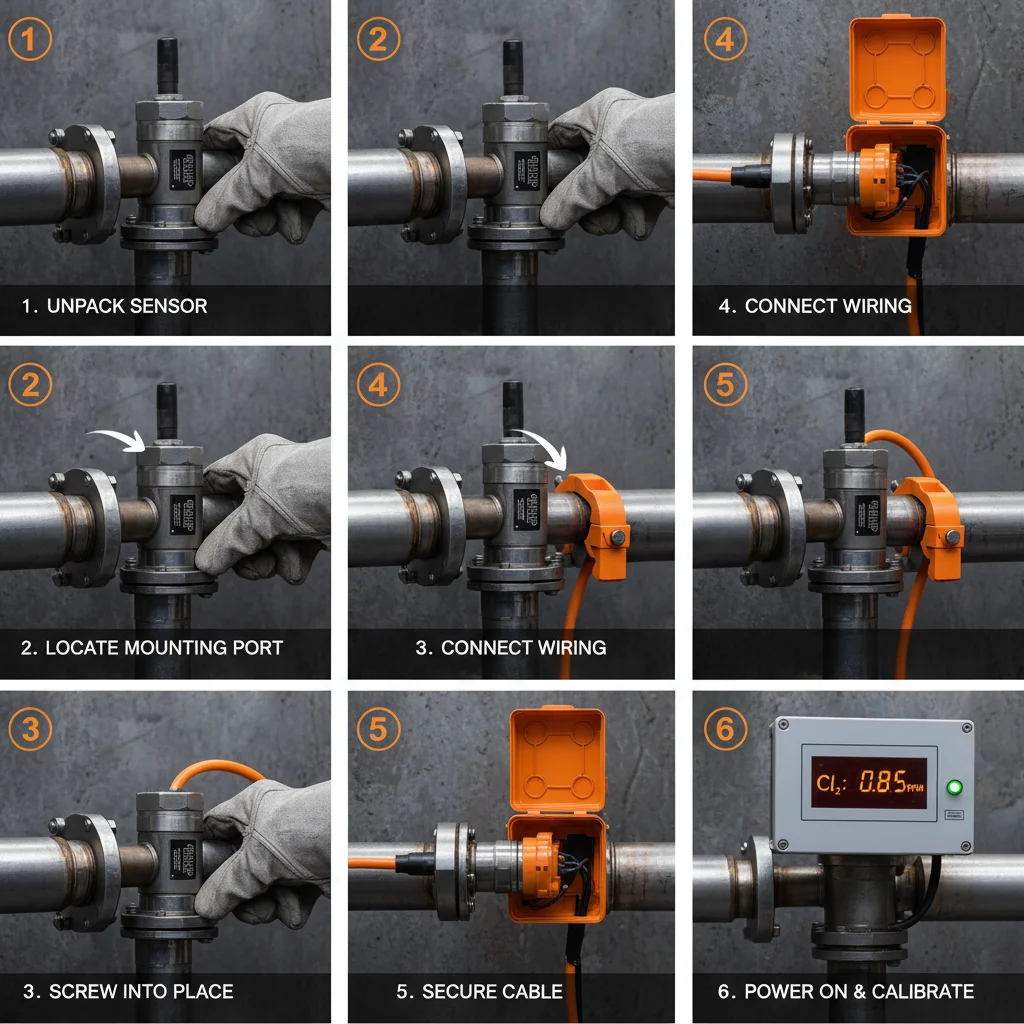
The assessment of water quality is paramount to public health and industrial efficiency. Understanding water hardness, specifically, is crucial across numerous sectors, from municipal water treatment to manufacturing processes. An online water hardness analyzer provides a real-time, accurate, and cost-effective solution for monitoring this critical parameter, enabling proactive management and preventing costly issues related to scale buildup, corrosion, and inefficient operations. This technology is increasingly vital as global water resources face growing strain and regulations become more stringent.
Globally, access to clean and appropriately treated water remains a significant challenge. Hardness, caused by the presence of calcium and magnesium ions, impacts water’s usability and requires specific treatment protocols. Traditional methods of water hardness testing are often time-consuming, labor-intensive, and provide only a snapshot in time. An online water hardness analyzer addresses these limitations by offering continuous monitoring and immediate data accessibility.
The increasing demand for water quality data, driven by both regulatory compliance and process optimization, is fueling the adoption of these advanced monitoring tools. From optimizing boiler performance in power plants to ensuring the quality of beverages in the food and beverage industry, the applications are diverse and expanding. The ability to remotely access and analyze water hardness data empowers informed decision-making and supports sustainable water management practices.
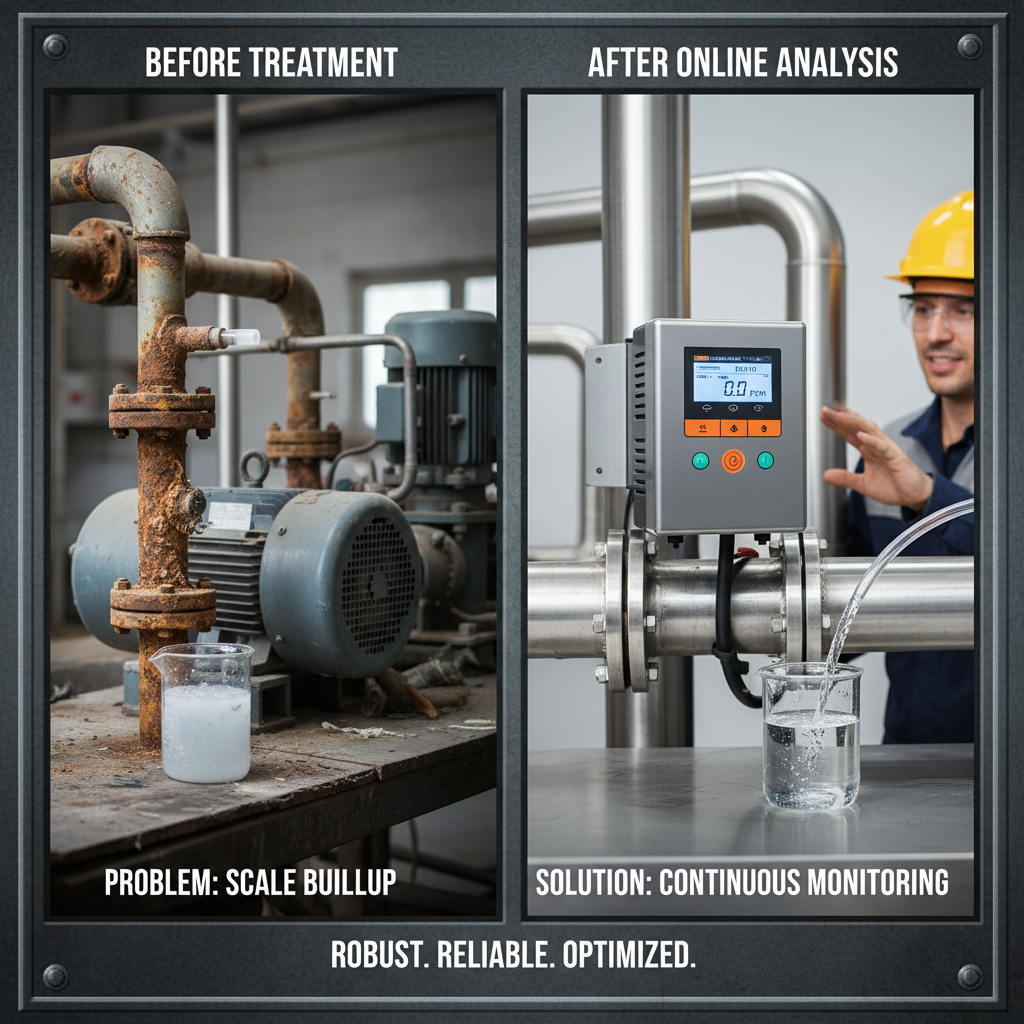
The Importance of Online Water Hardness Analysis
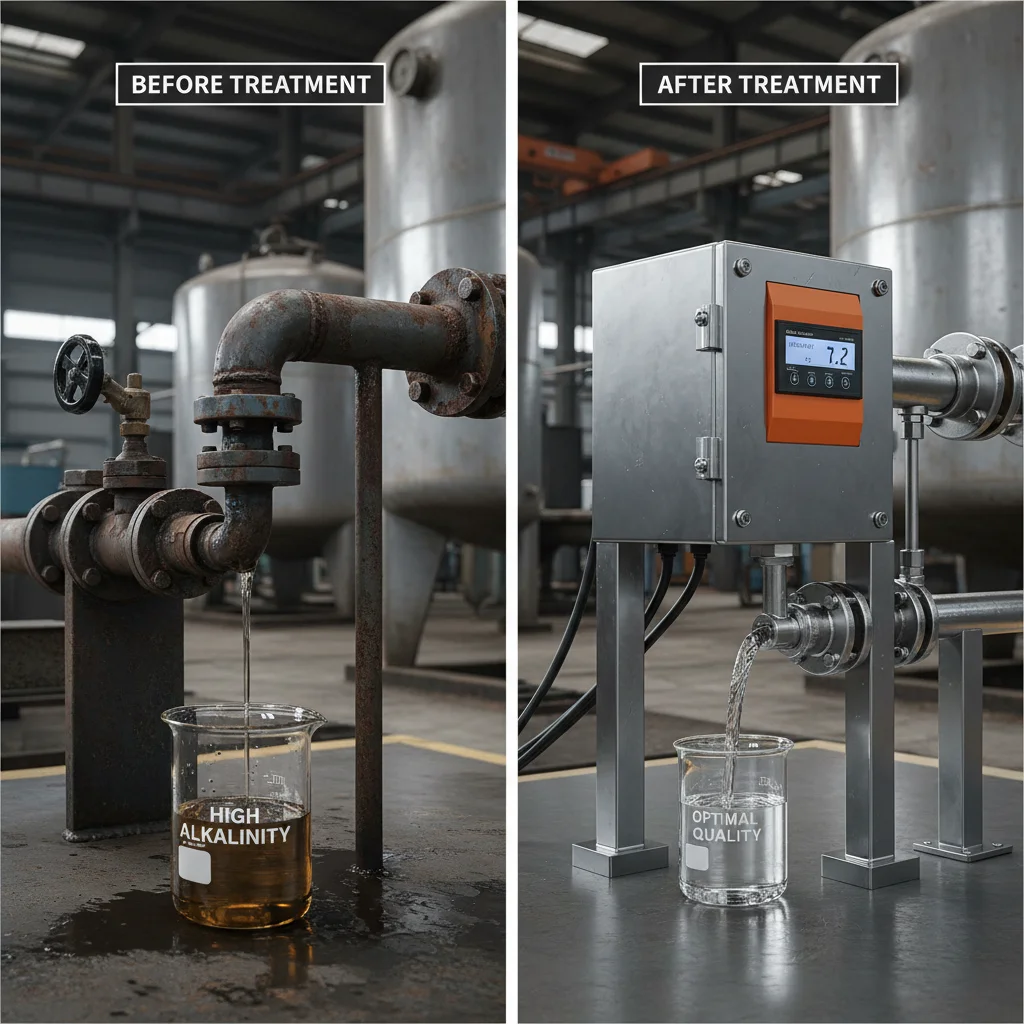
Monitoring water hardness isn’t merely a matter of convenience; it's a critical component of maintaining the longevity and efficiency of countless systems. Uncontrolled hardness leads to scale formation in pipes, boilers, and heat exchangers, reducing heat transfer, increasing energy consumption, and potentially causing equipment failure. Implementing an online water hardness analyzer allows for proactive treatment, preventing these issues before they escalate.
Beyond industrial applications, understanding water hardness impacts everyday life. Hard water can reduce the effectiveness of soaps and detergents, leading to increased consumption and potential skin irritation. The availability of real-time data facilitated by these analyzers empowers consumers and municipalities to make informed decisions about water treatment and usage, contributing to sustainable resource management.
Understanding Online Water Hardness Analyzers
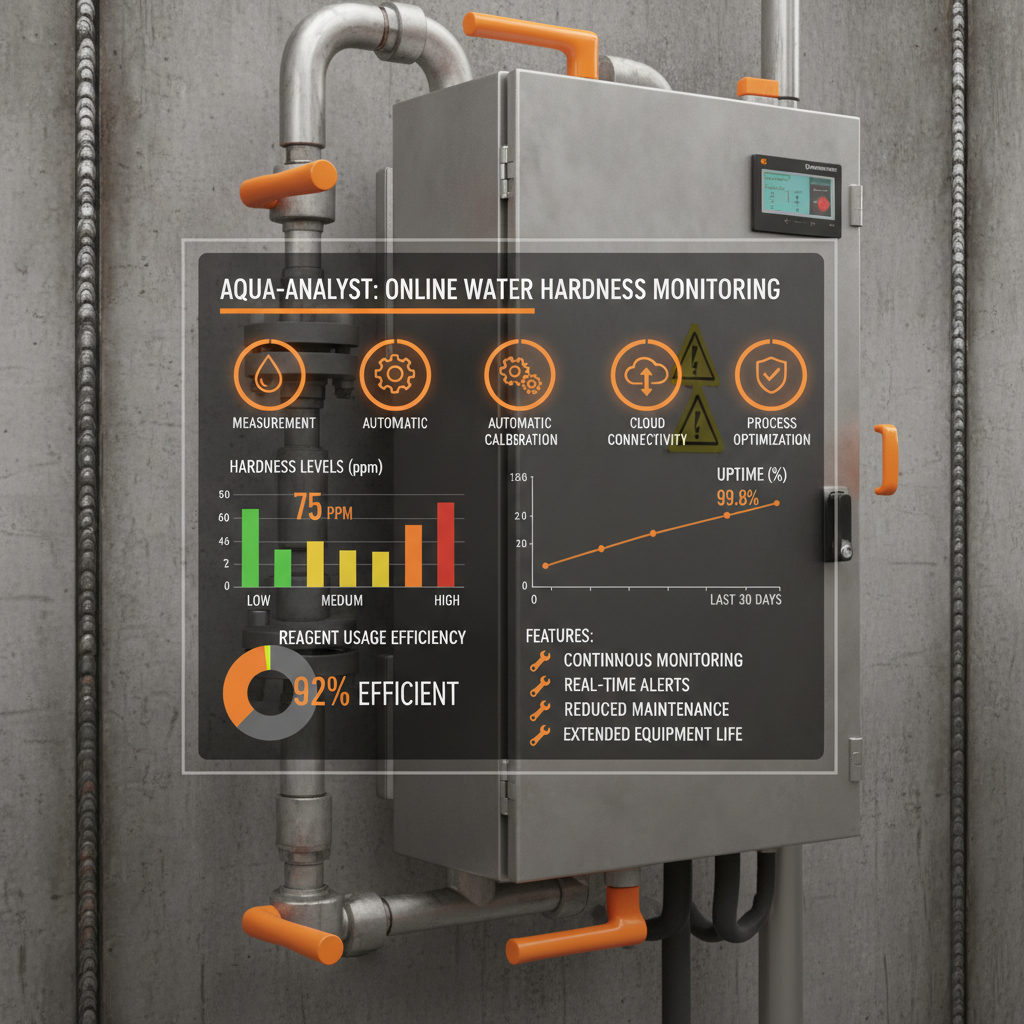
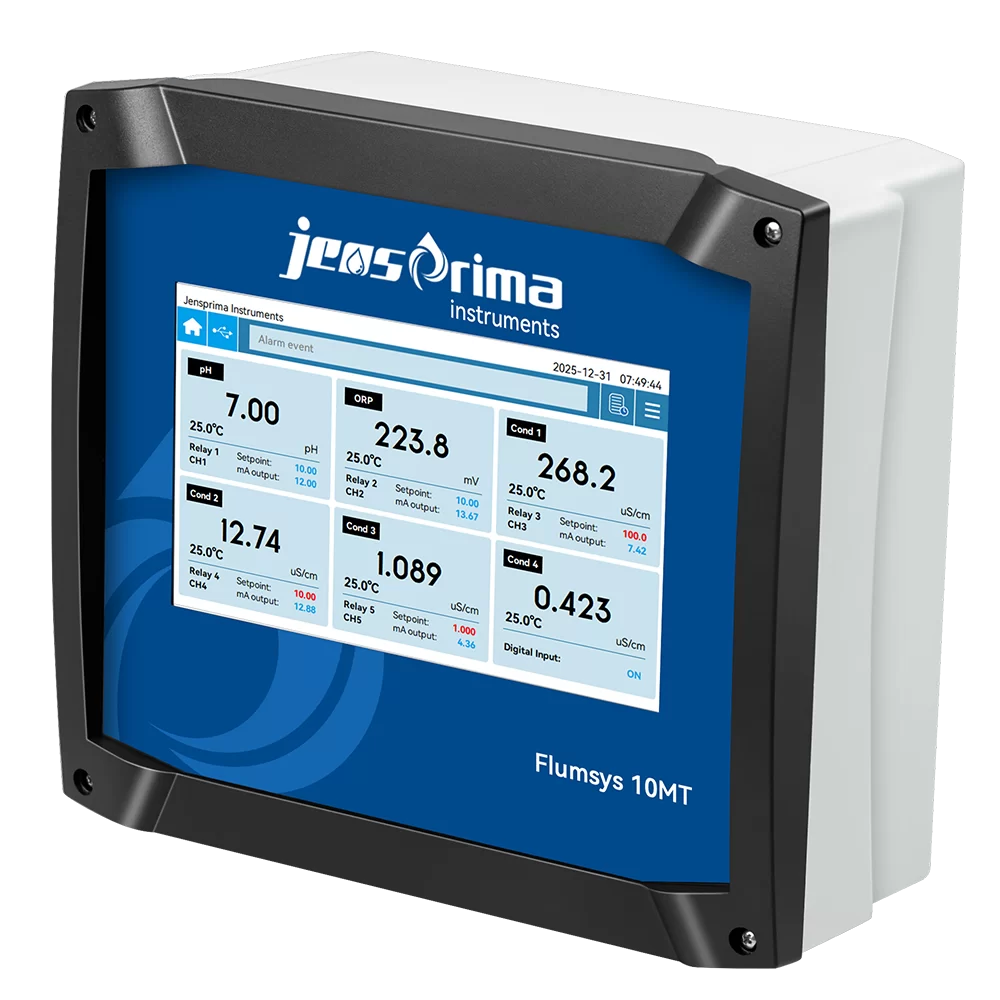
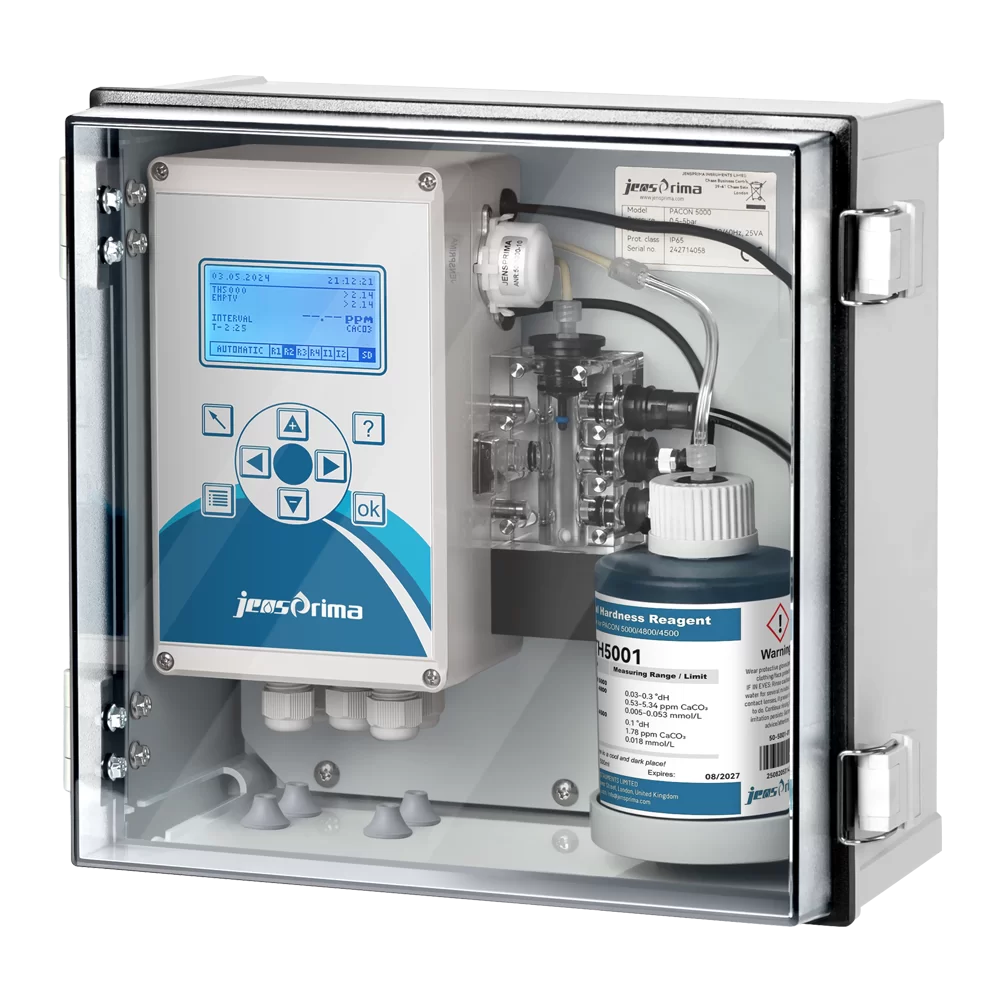
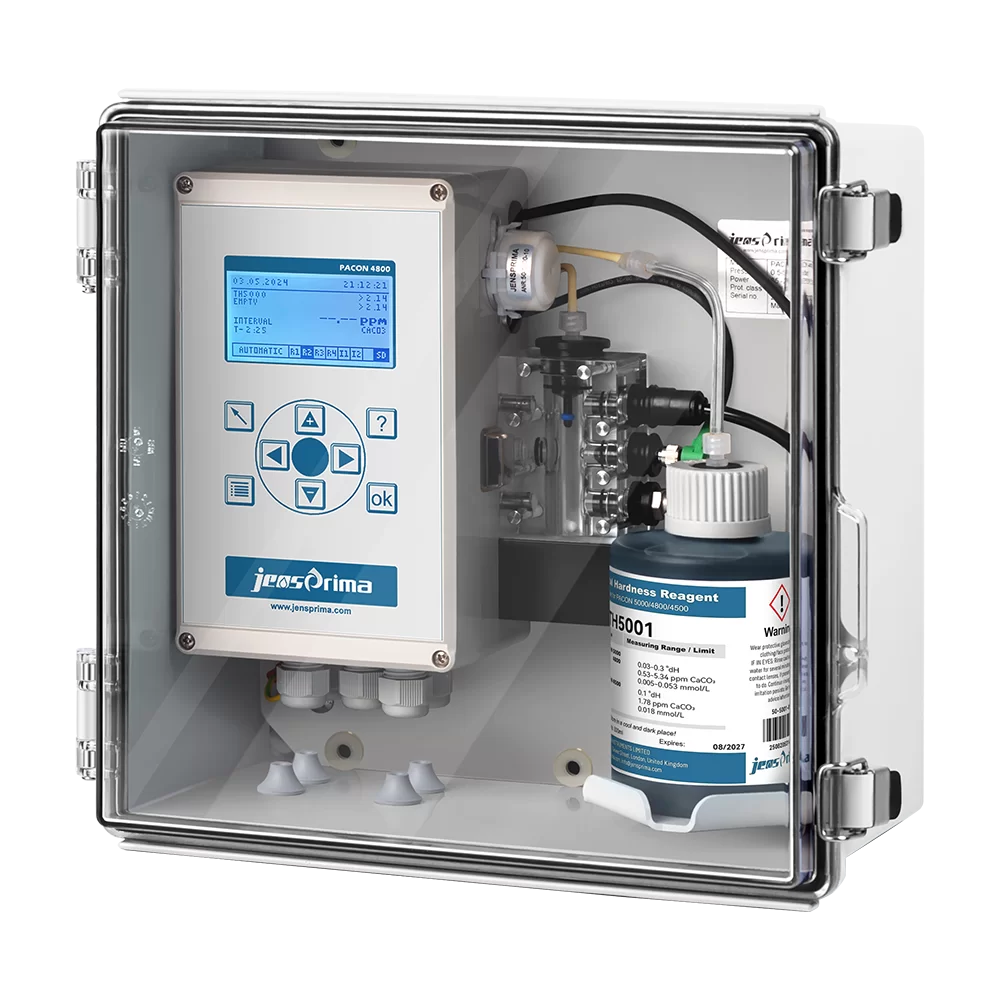
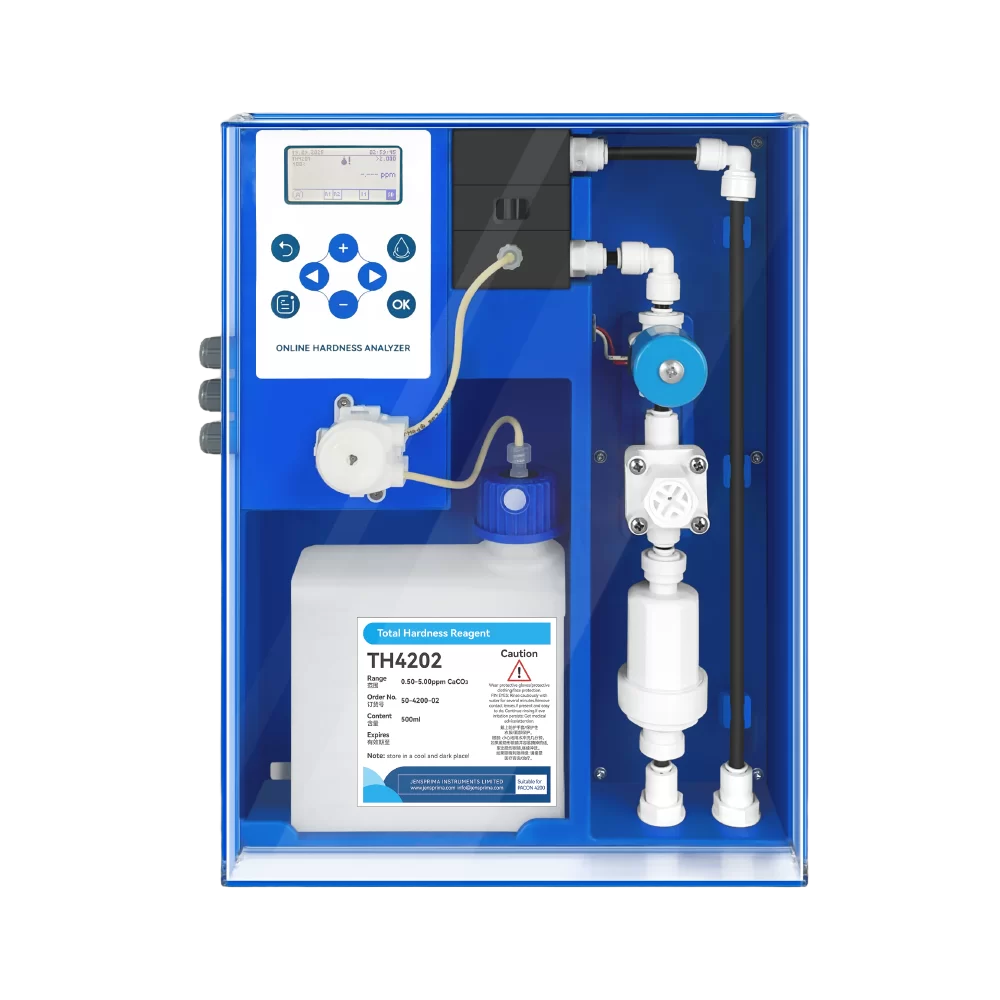
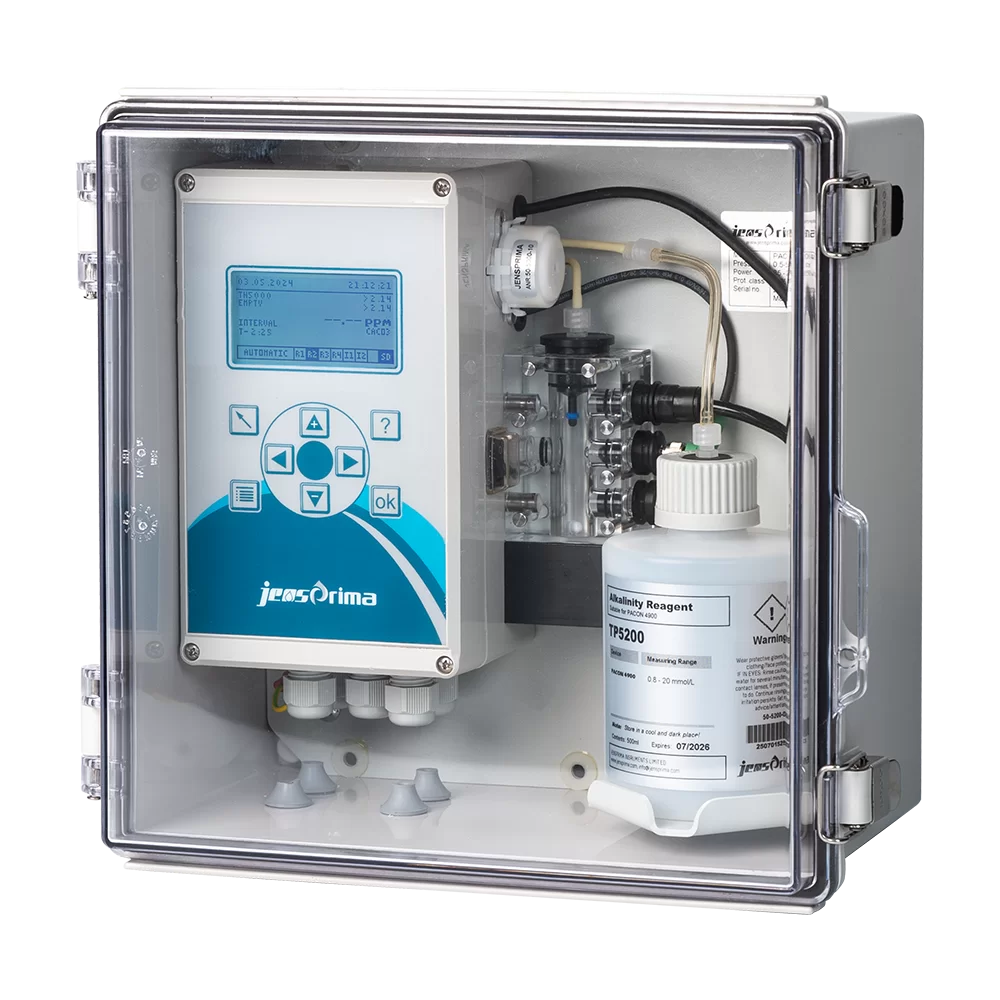
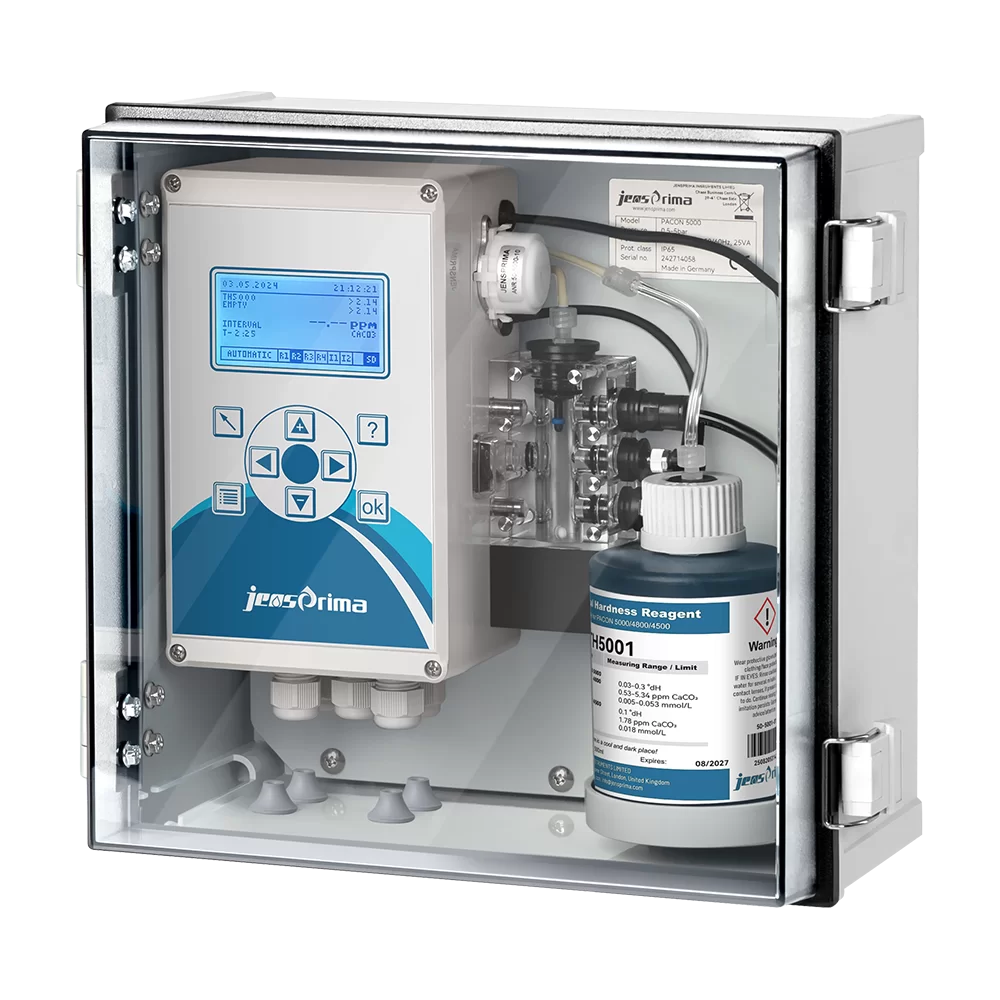
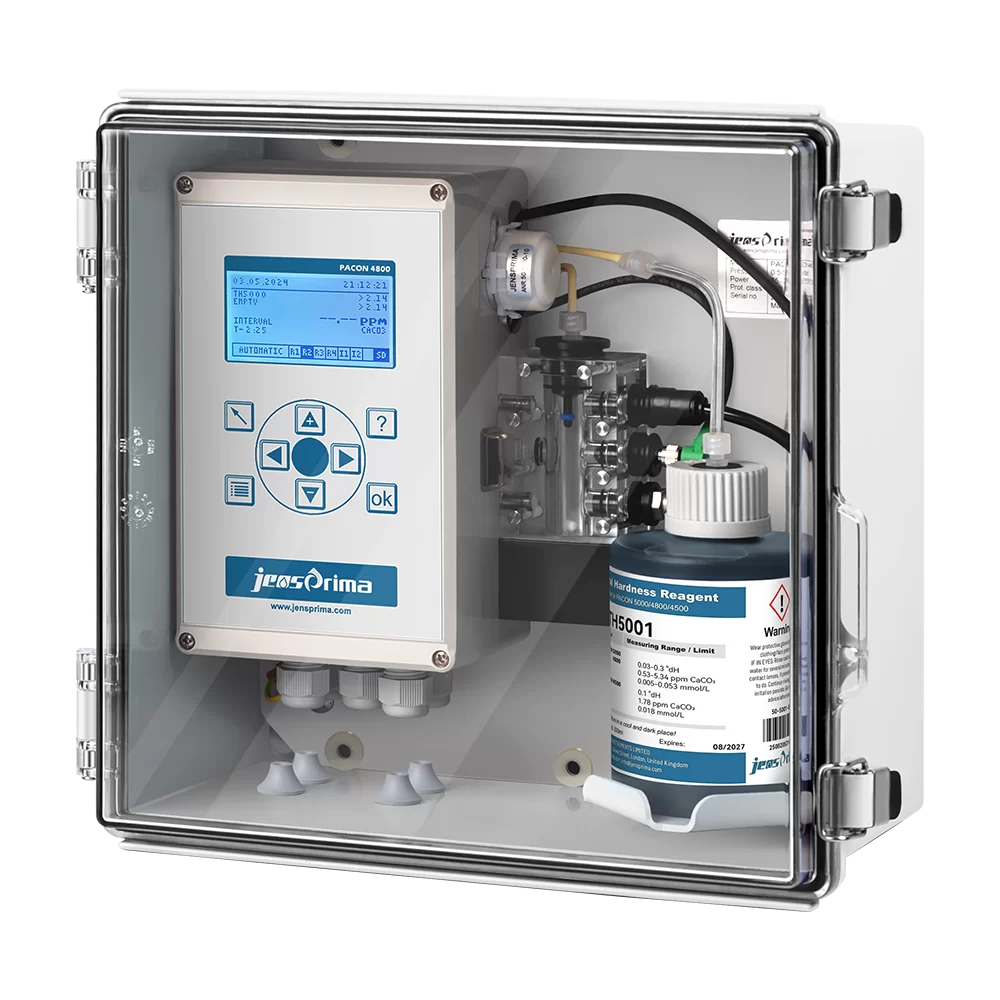
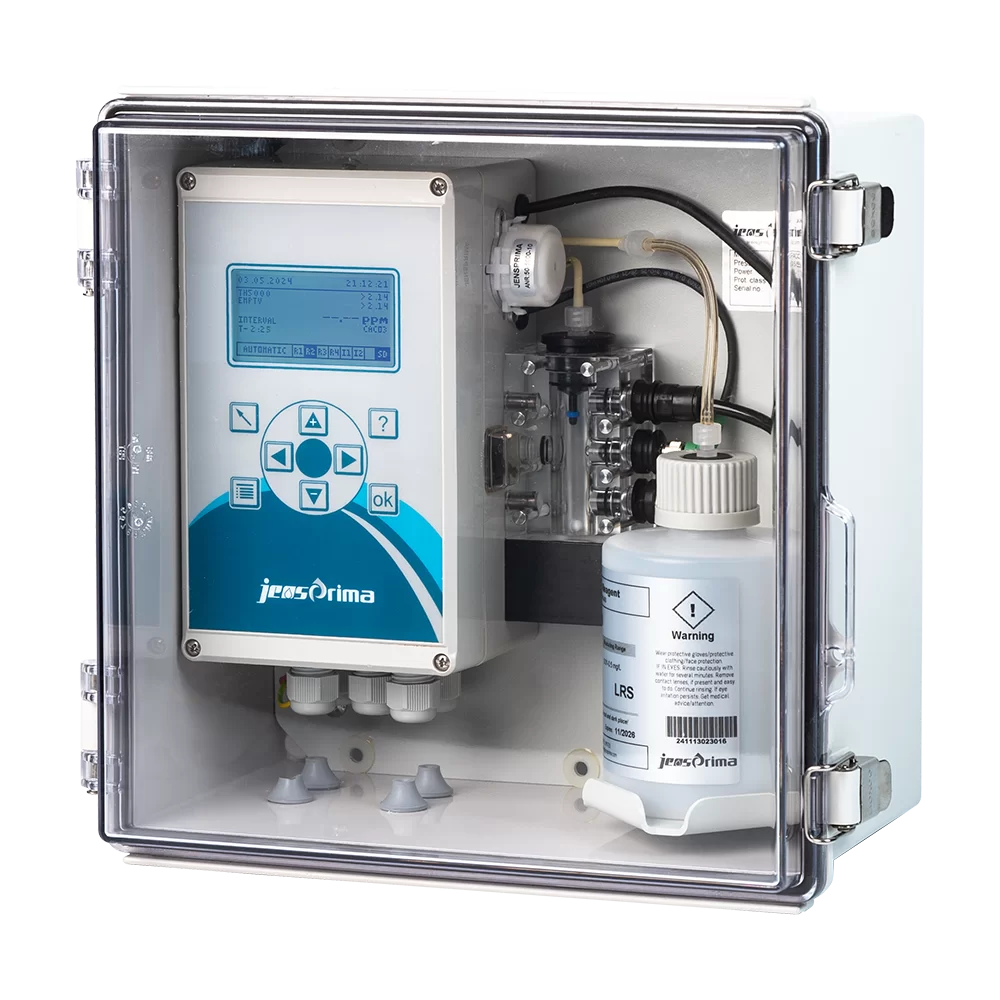
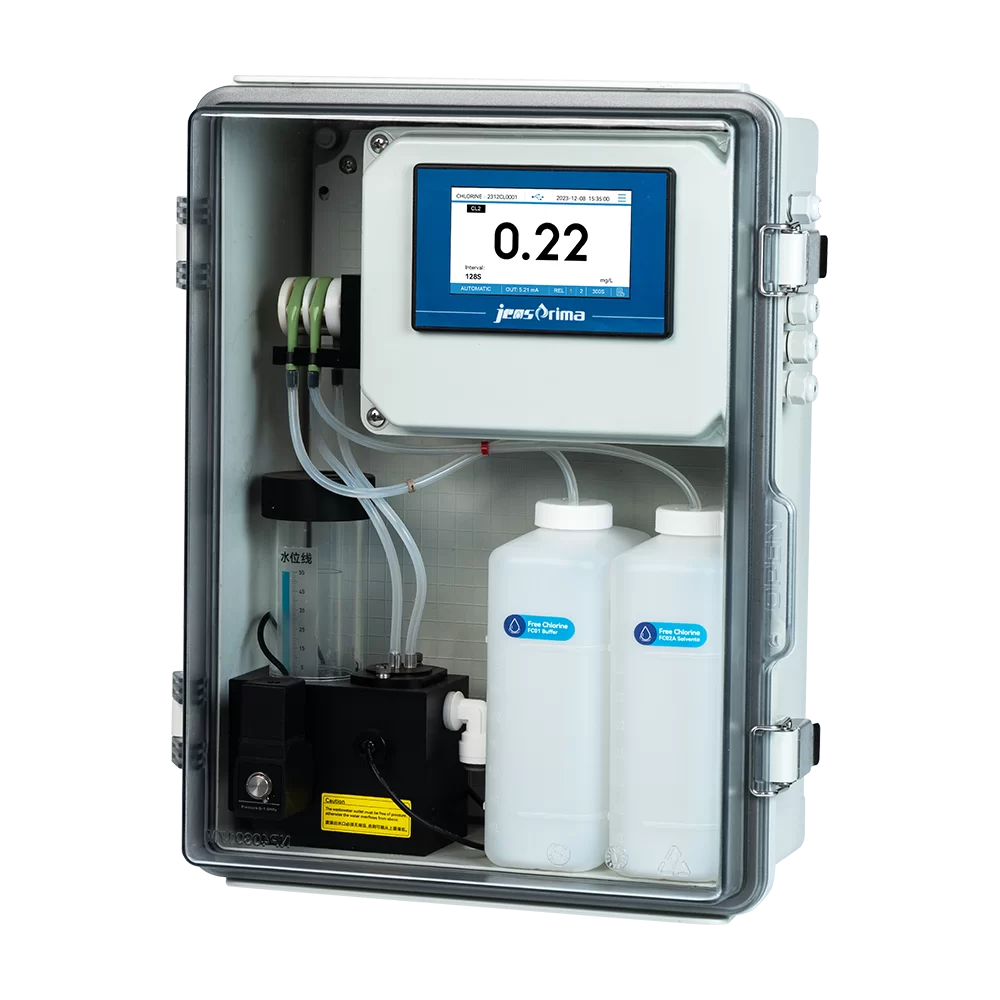
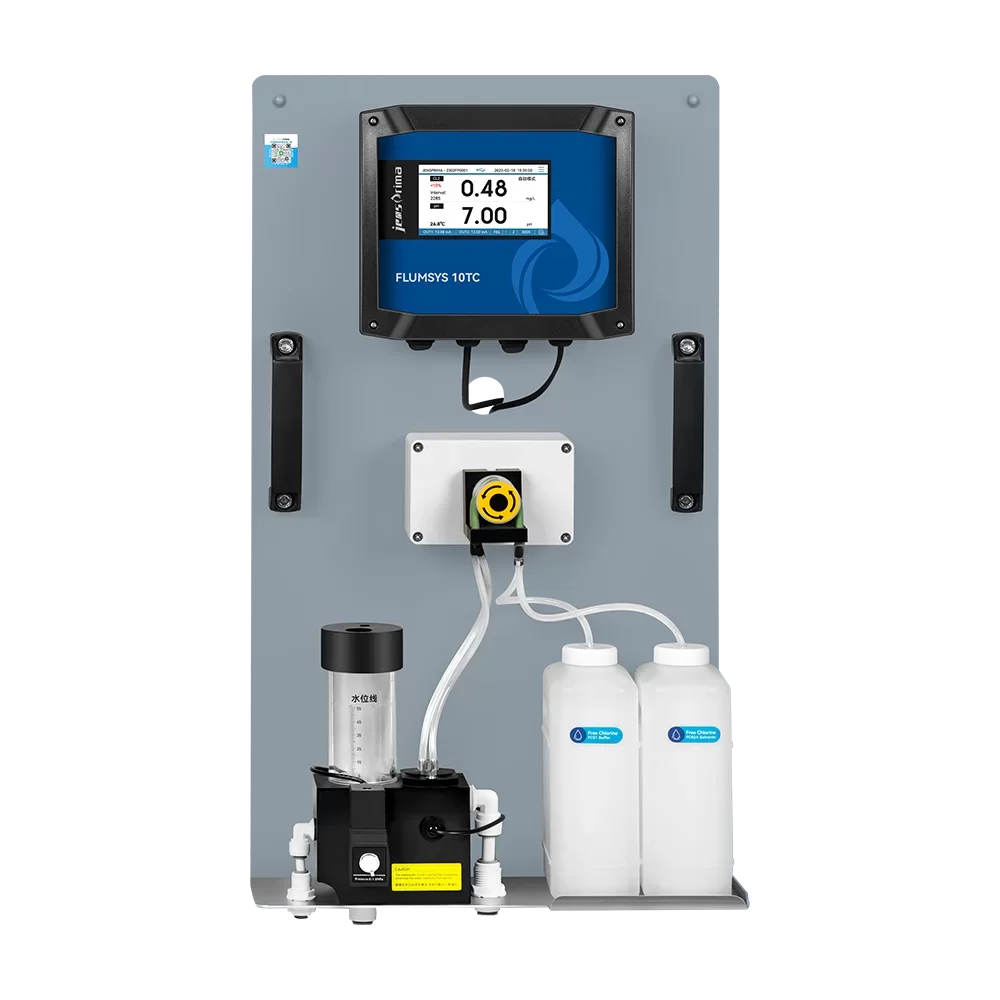
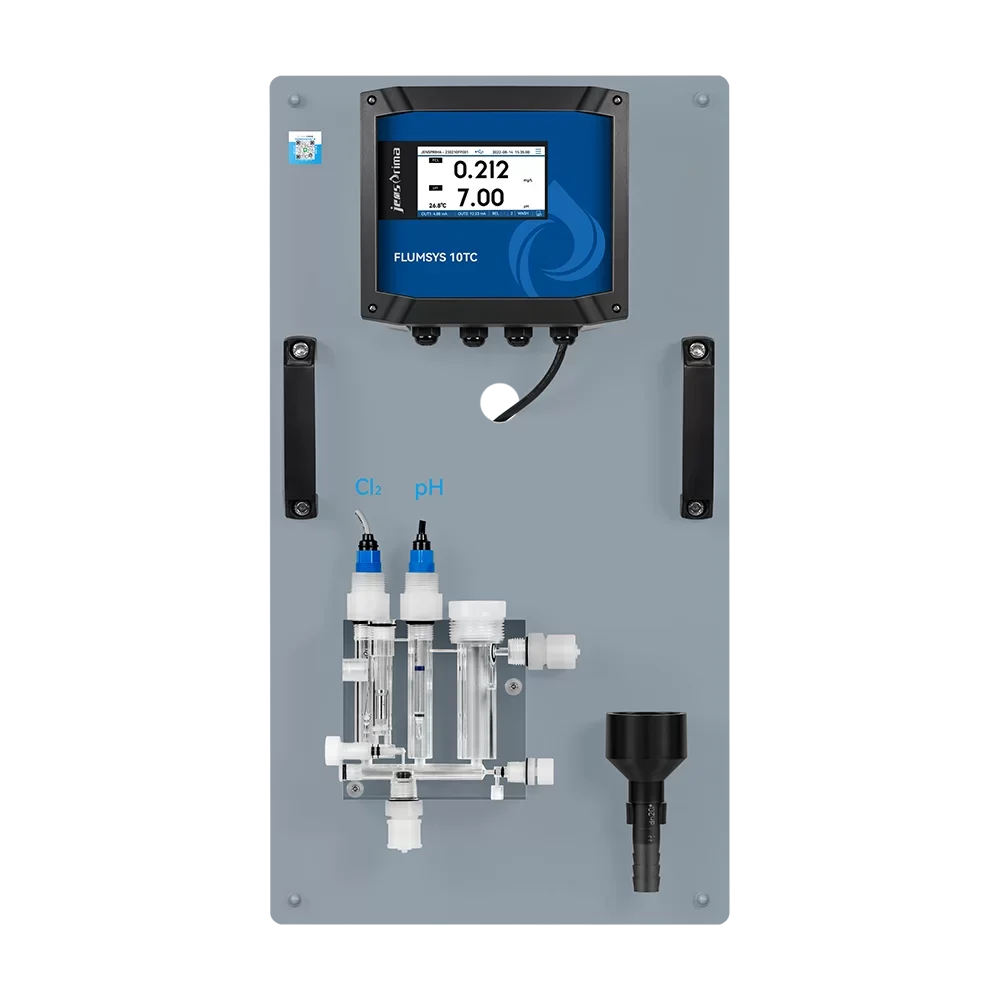
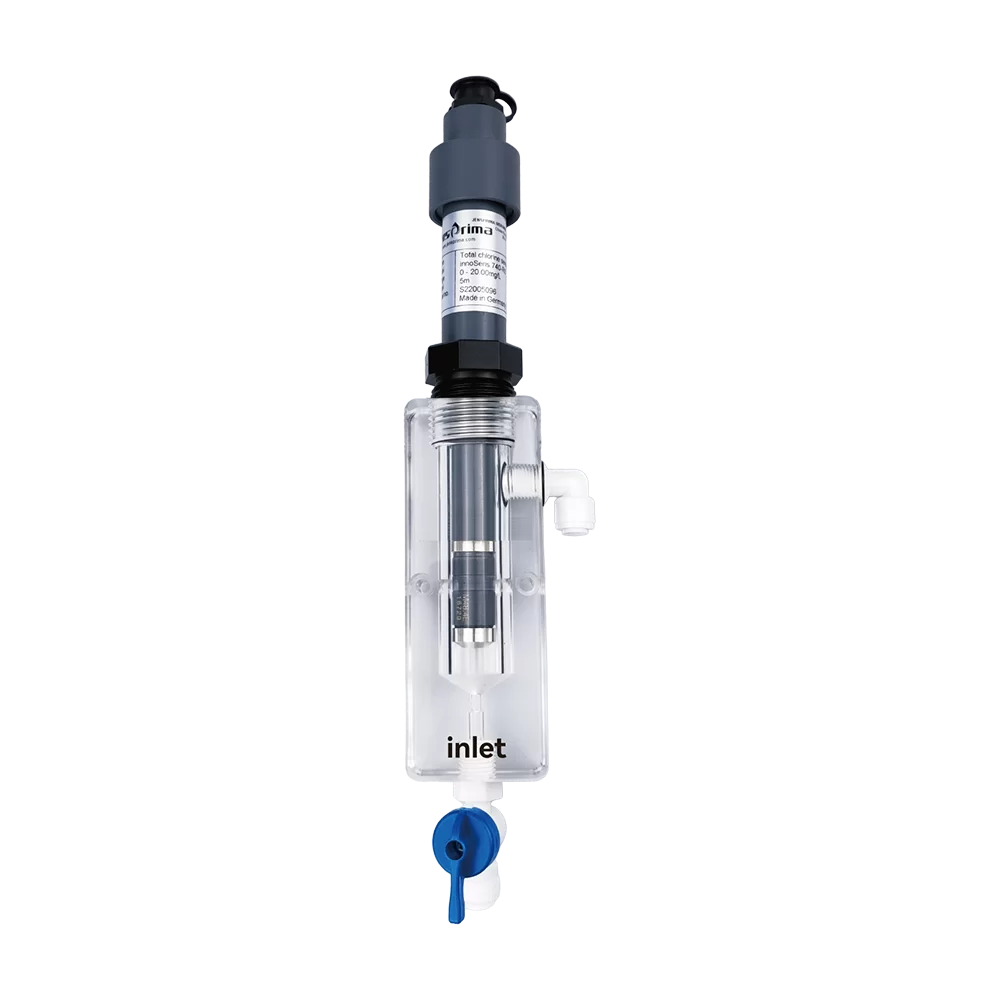
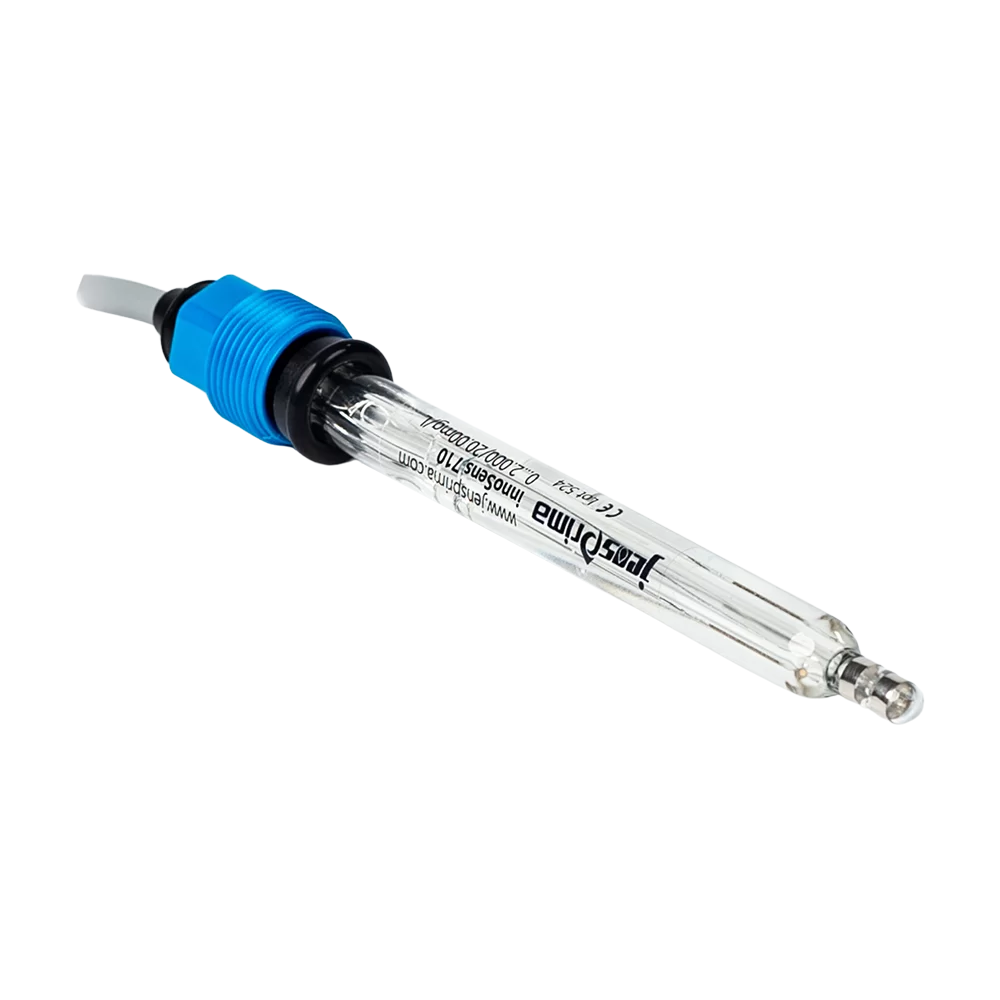
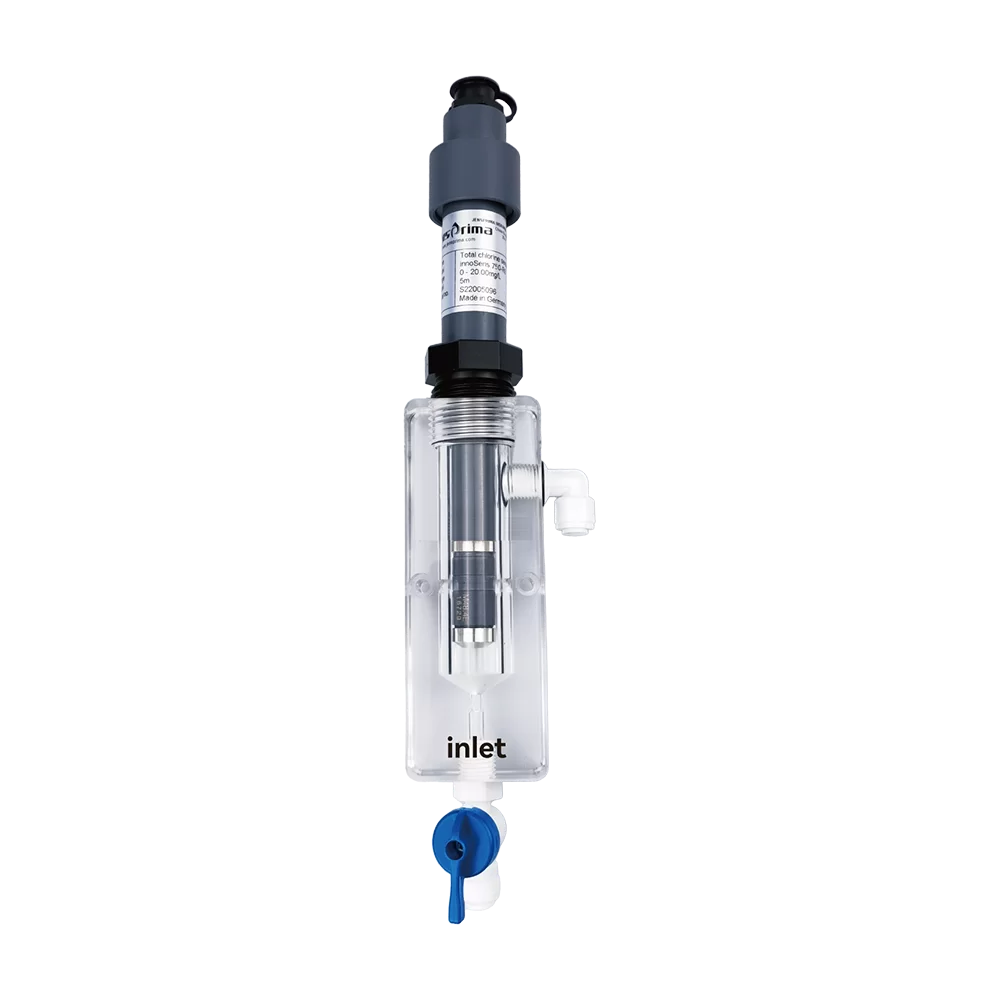
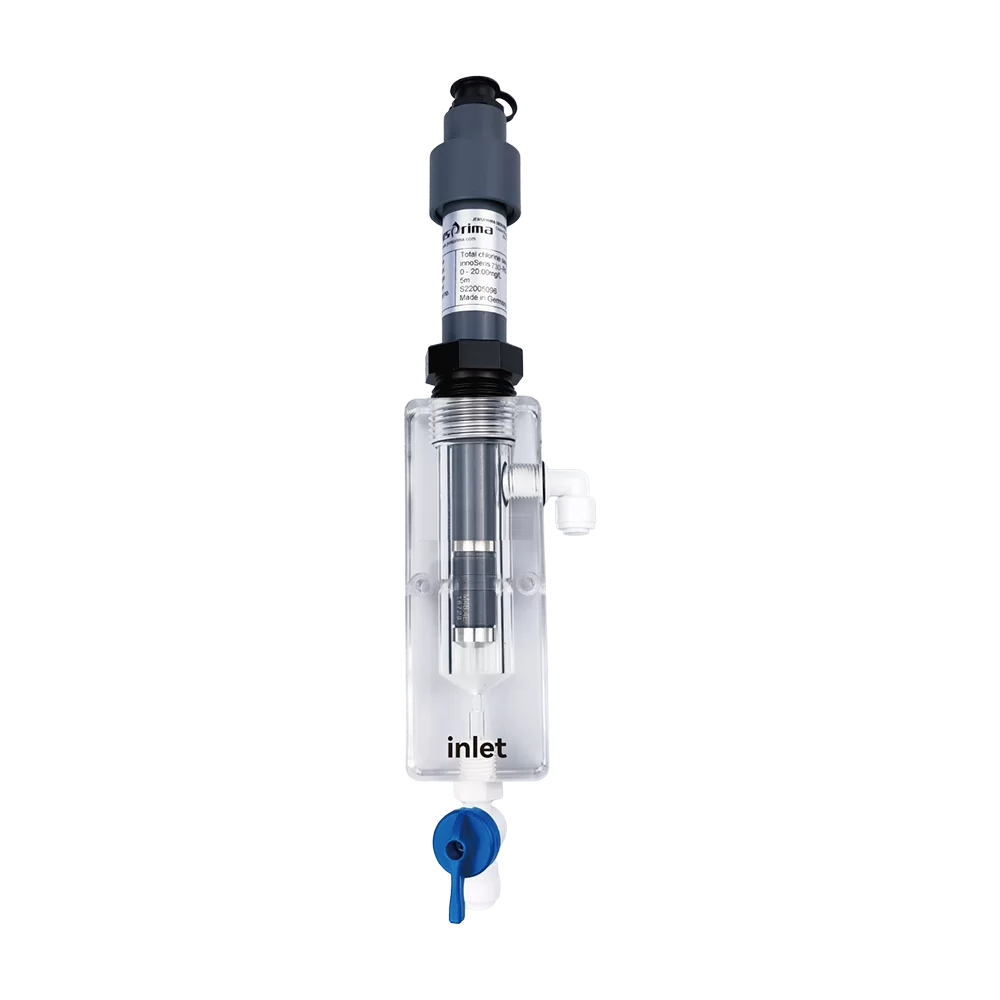
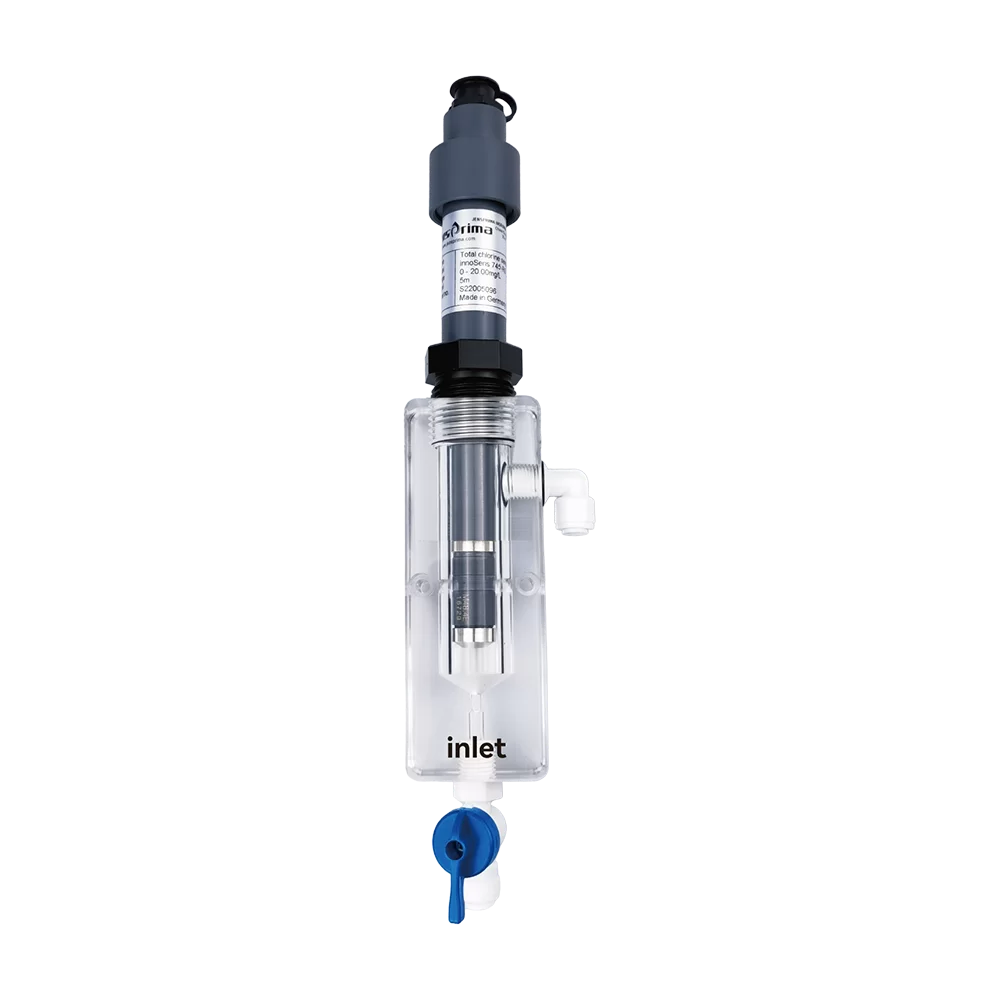
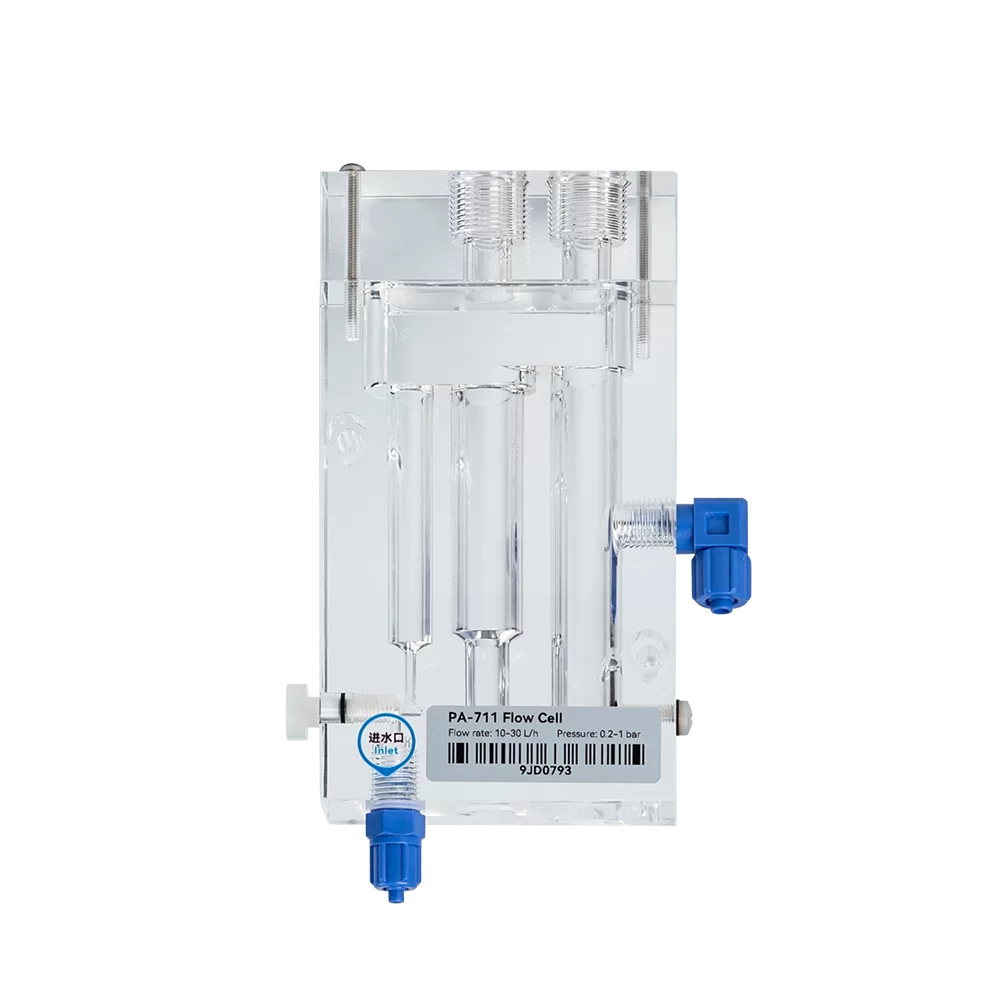
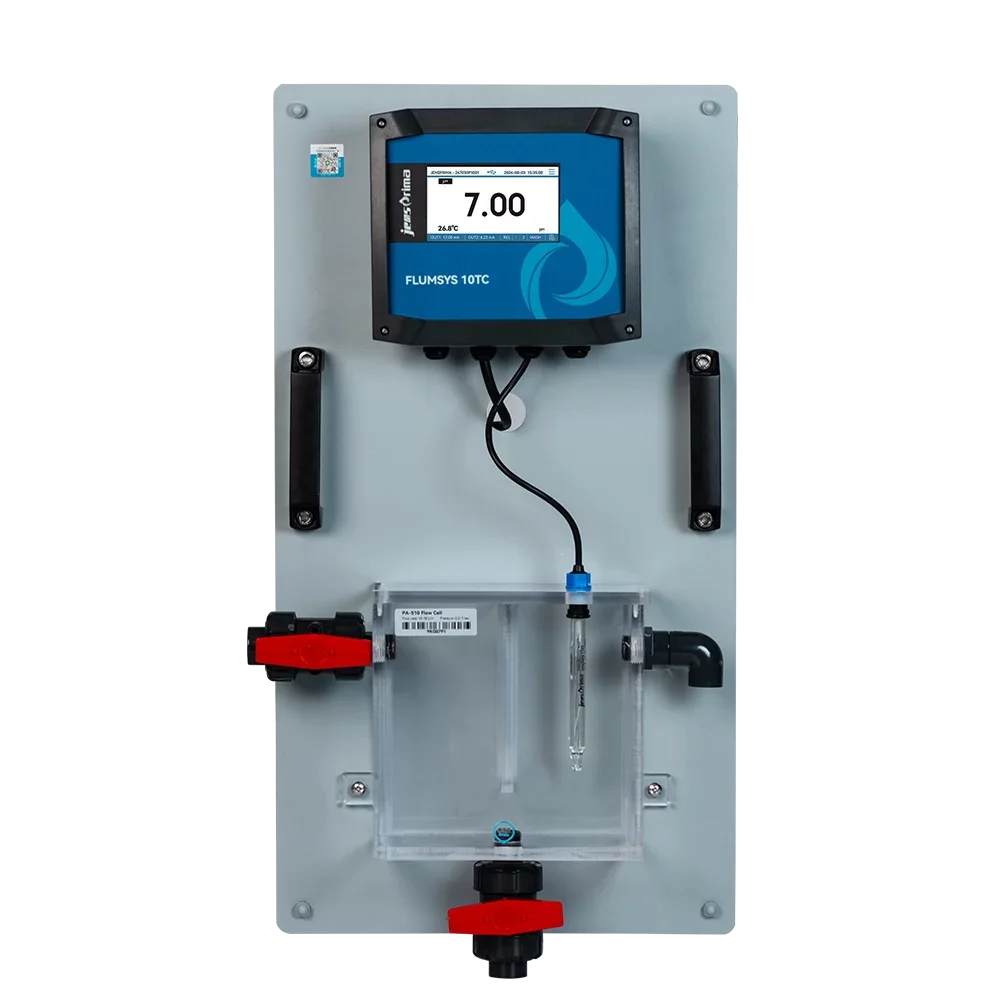
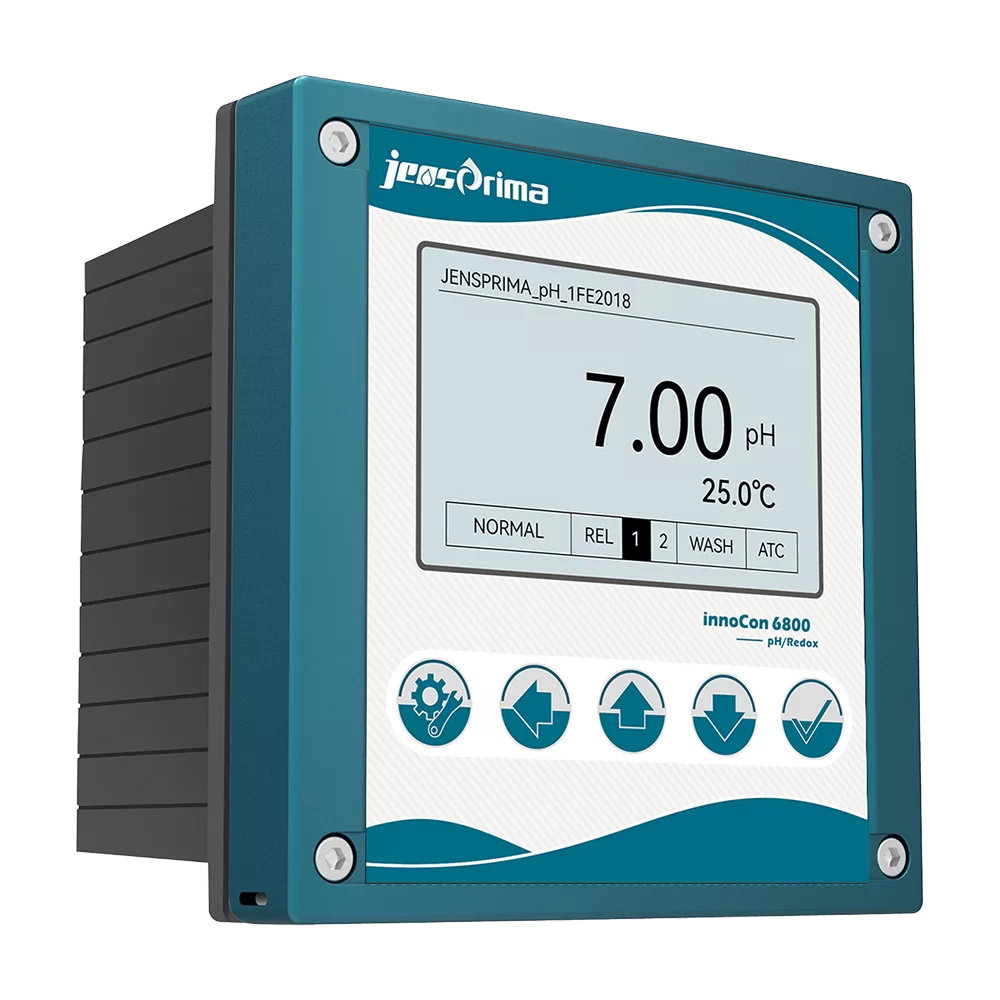
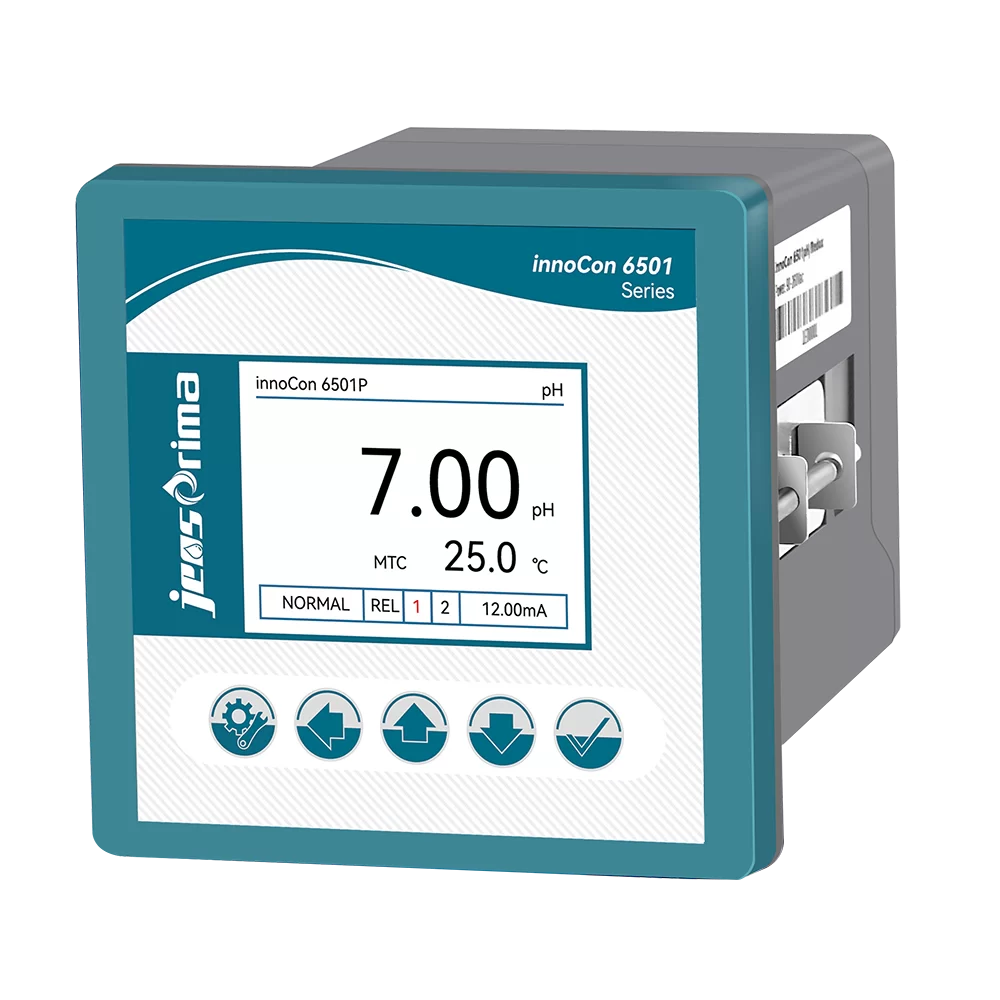
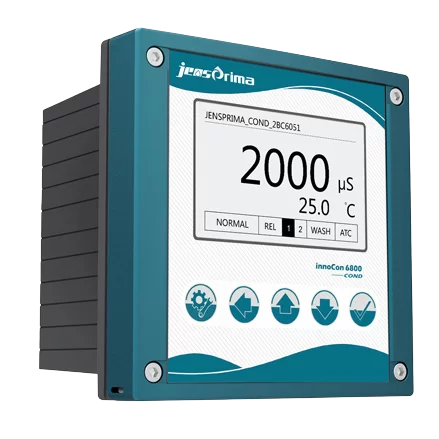
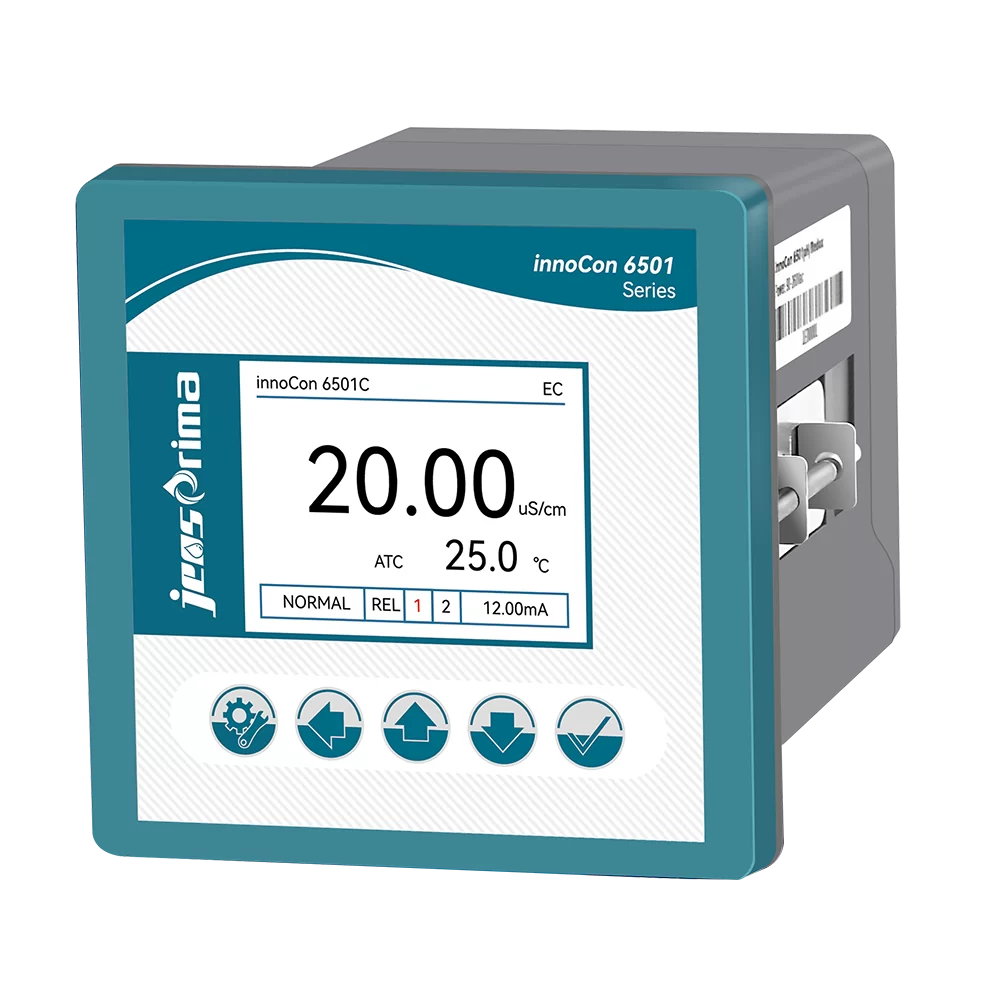
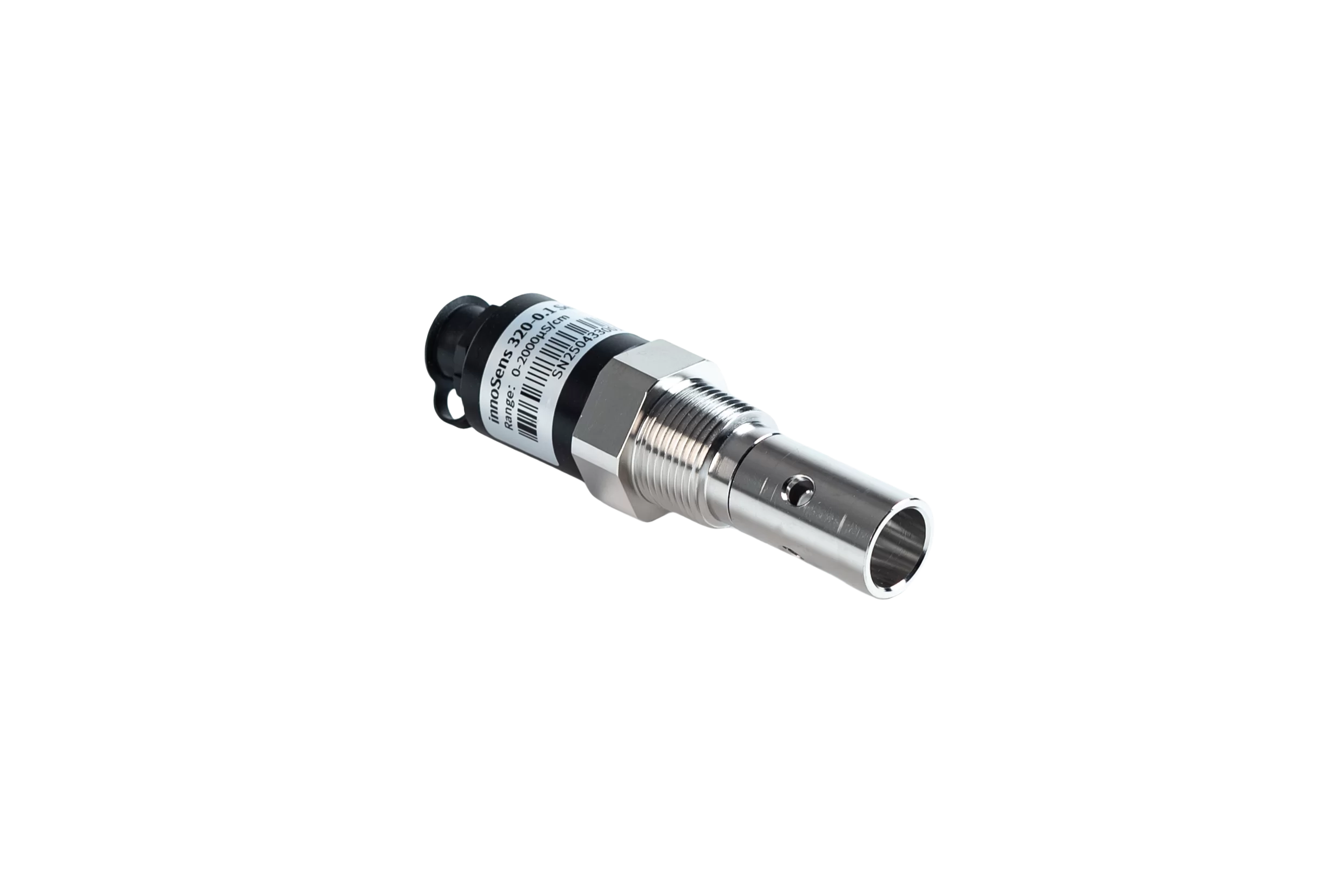
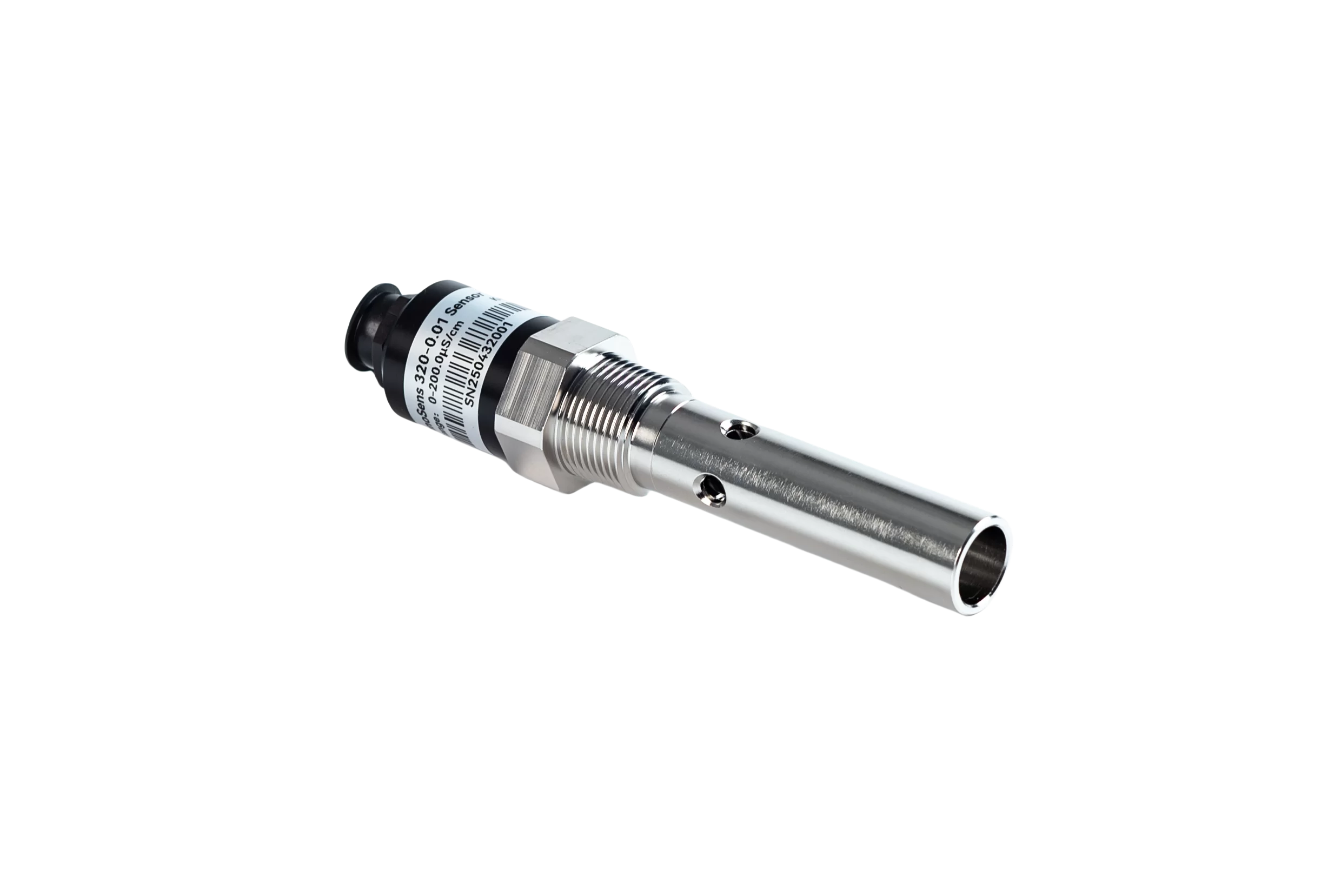
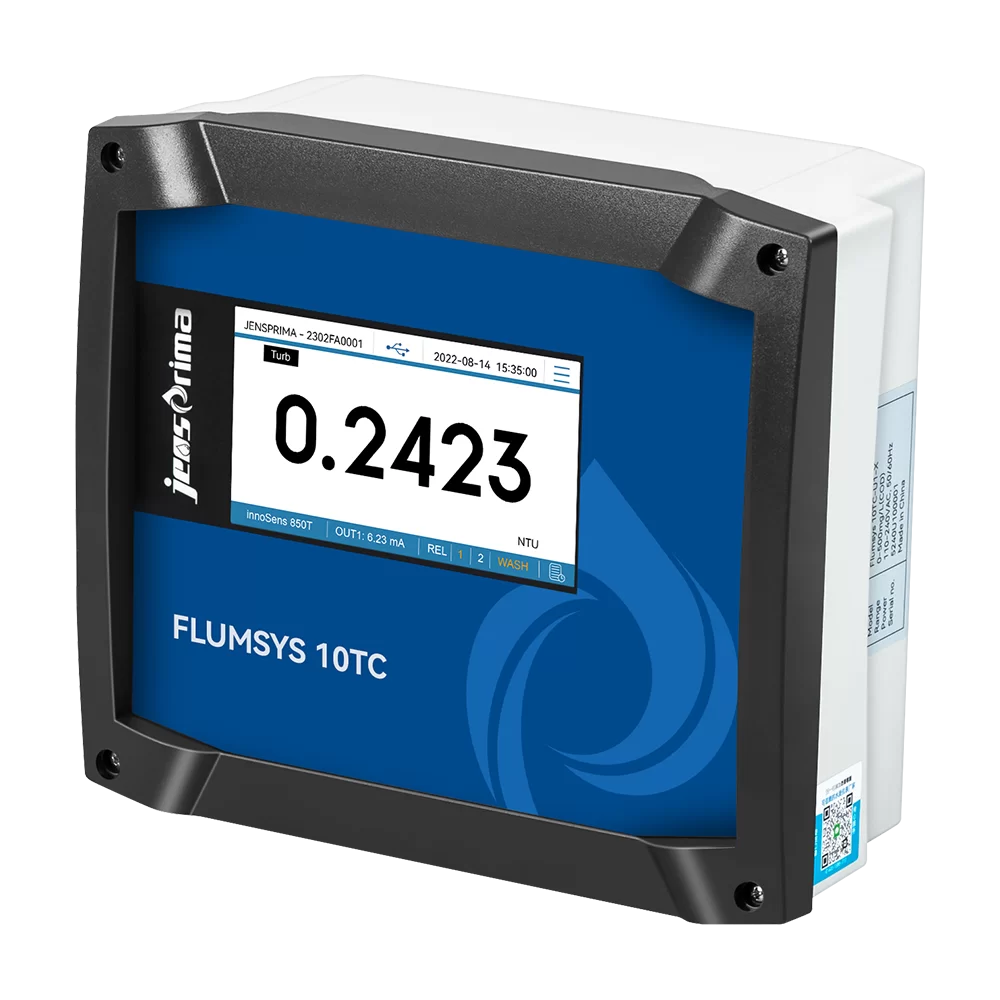
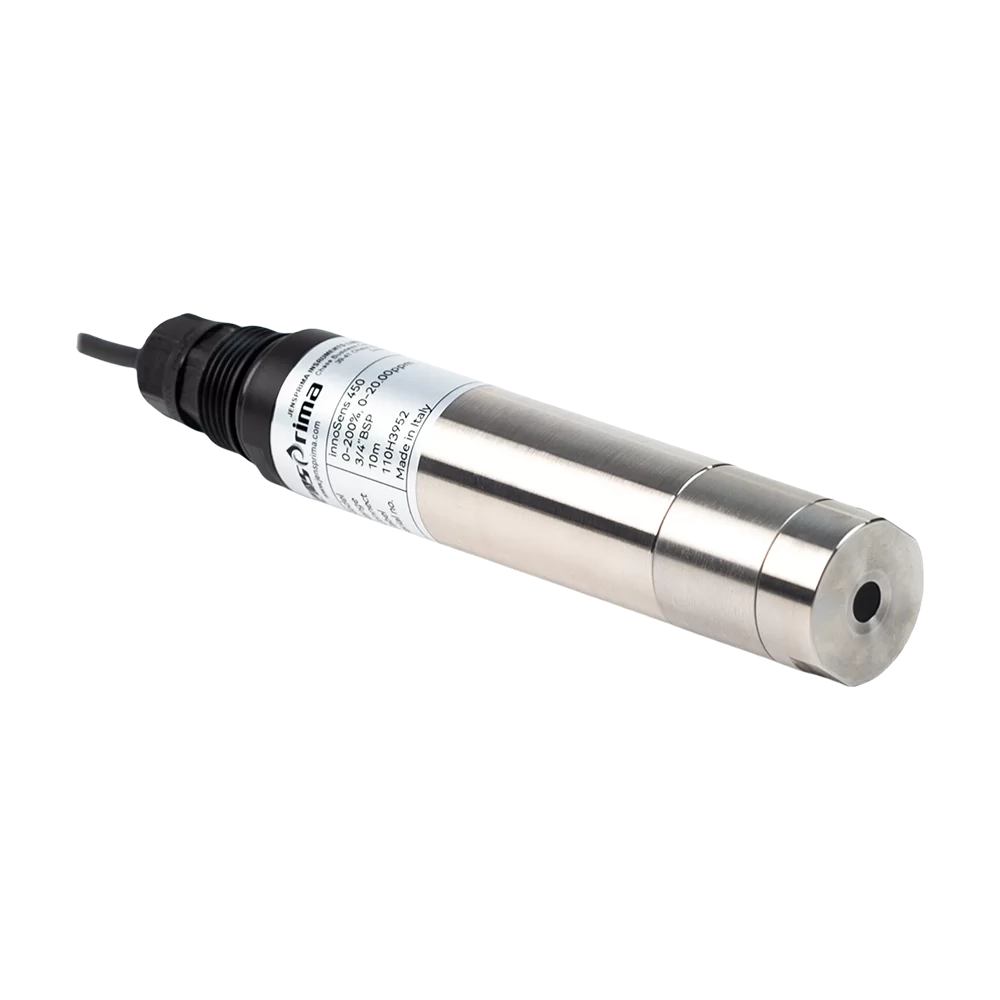
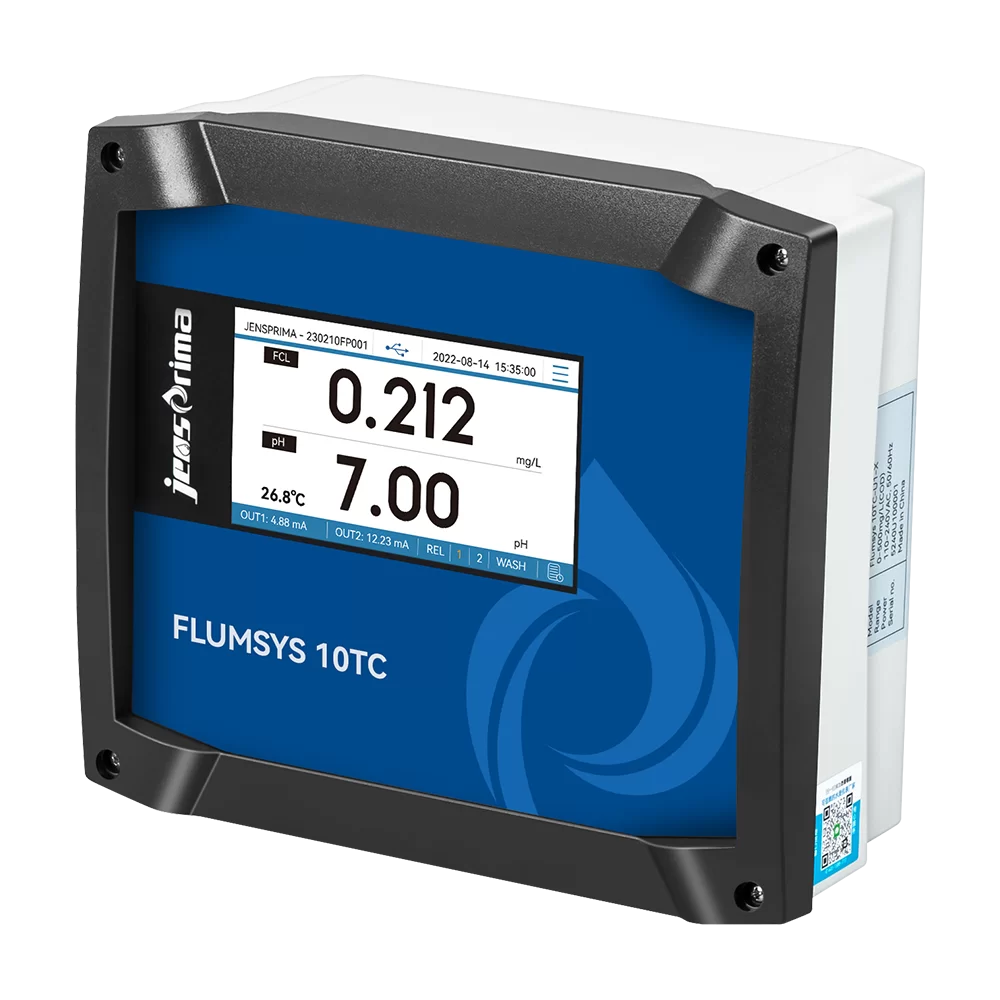
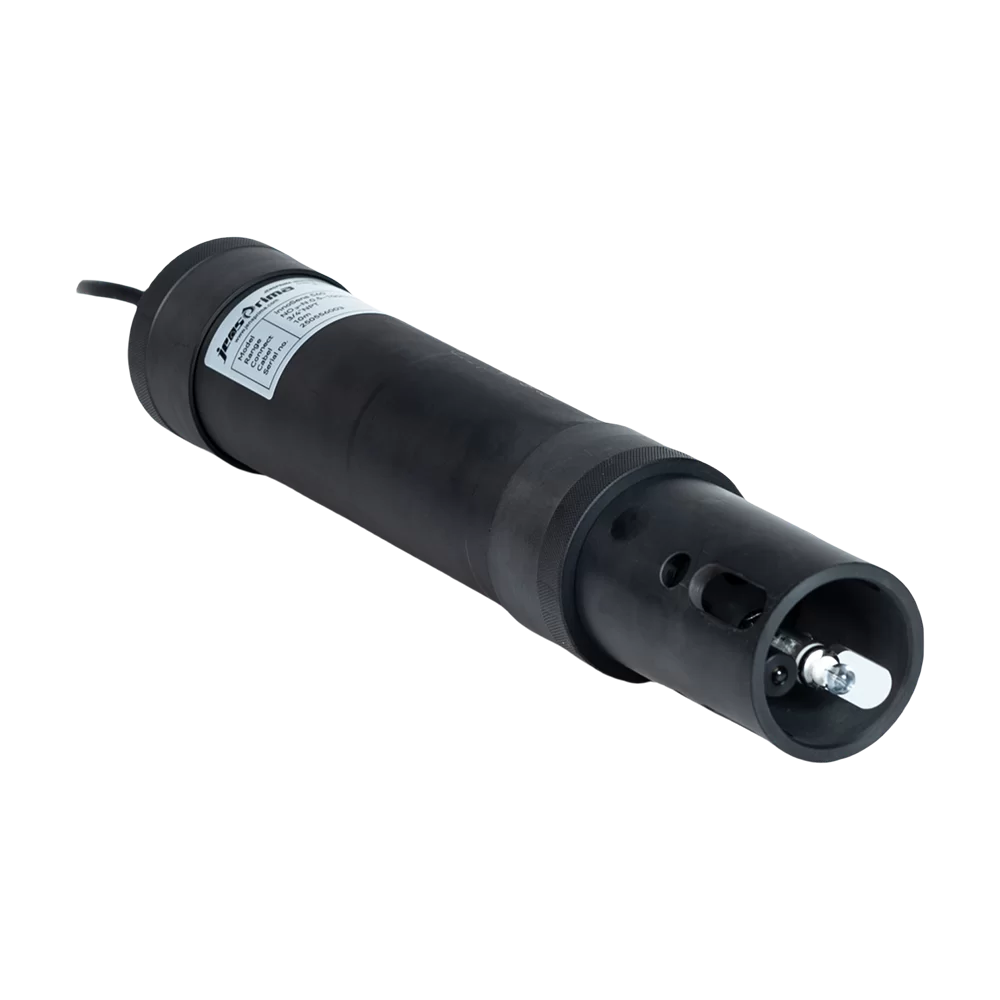
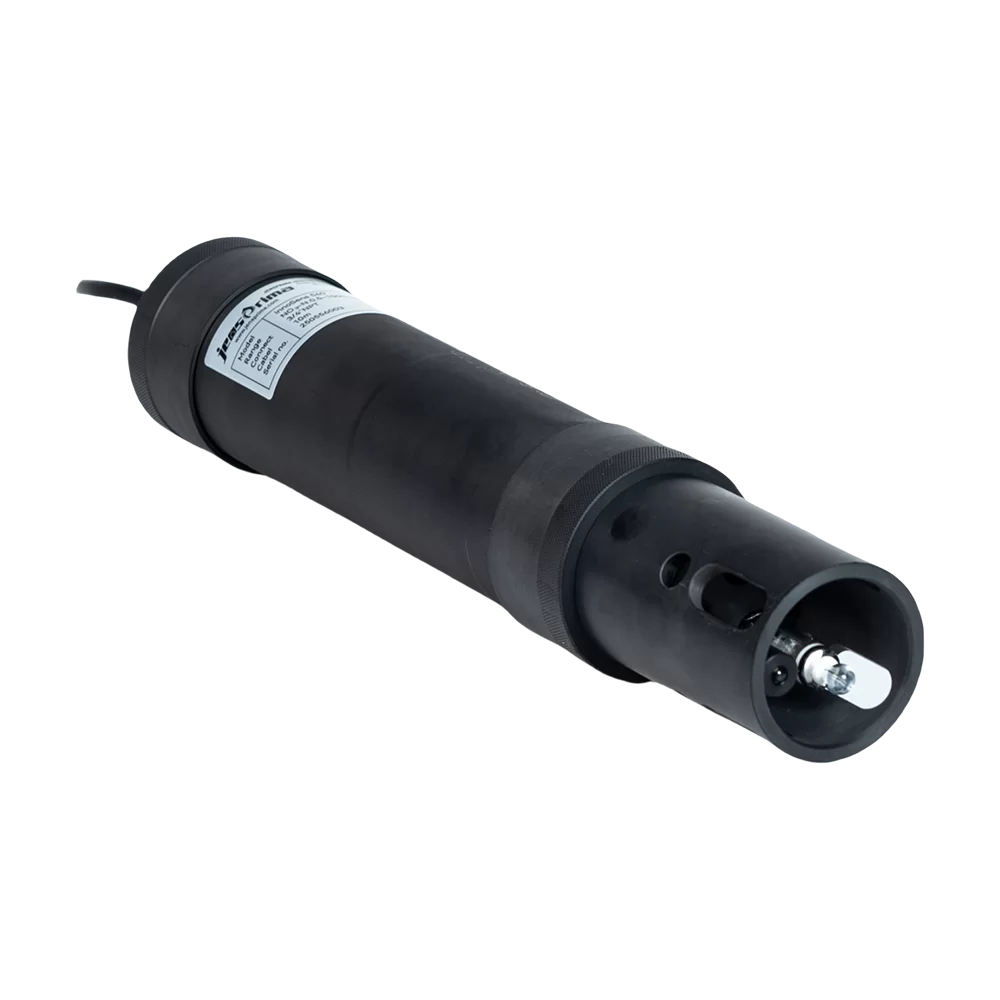
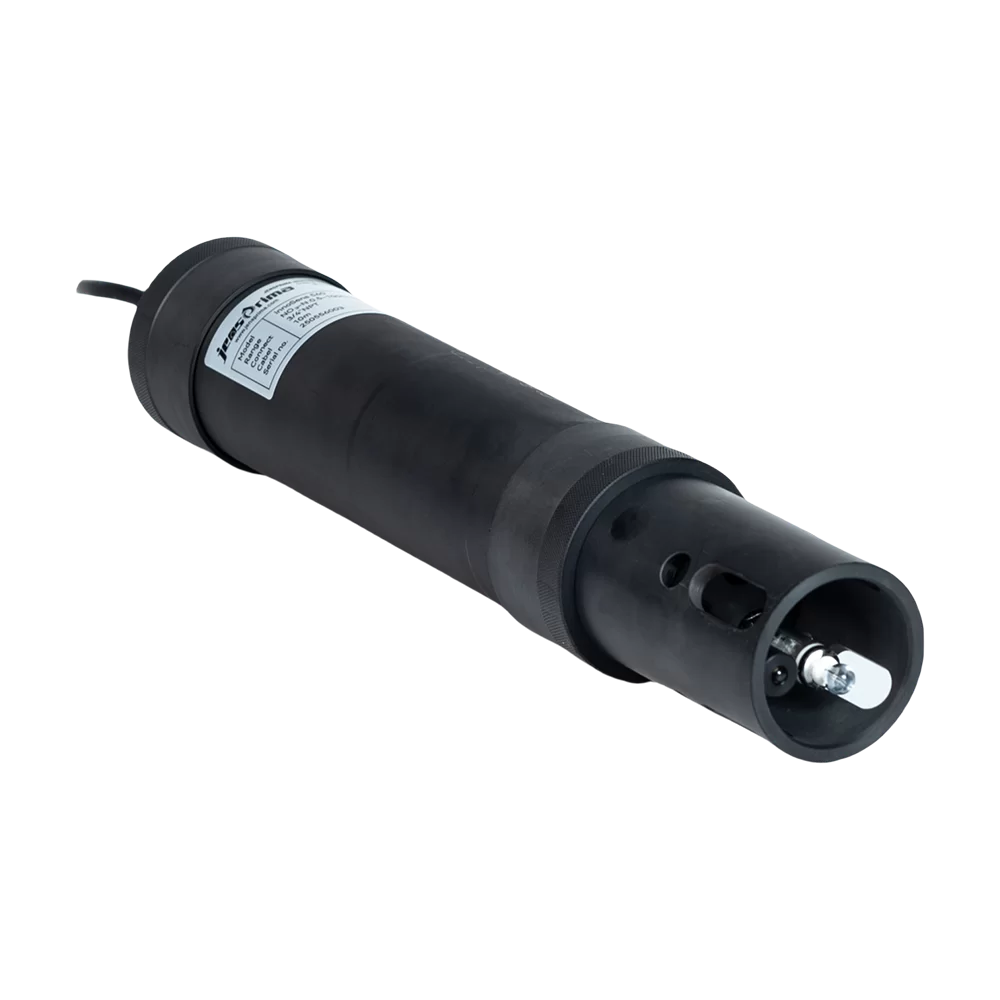
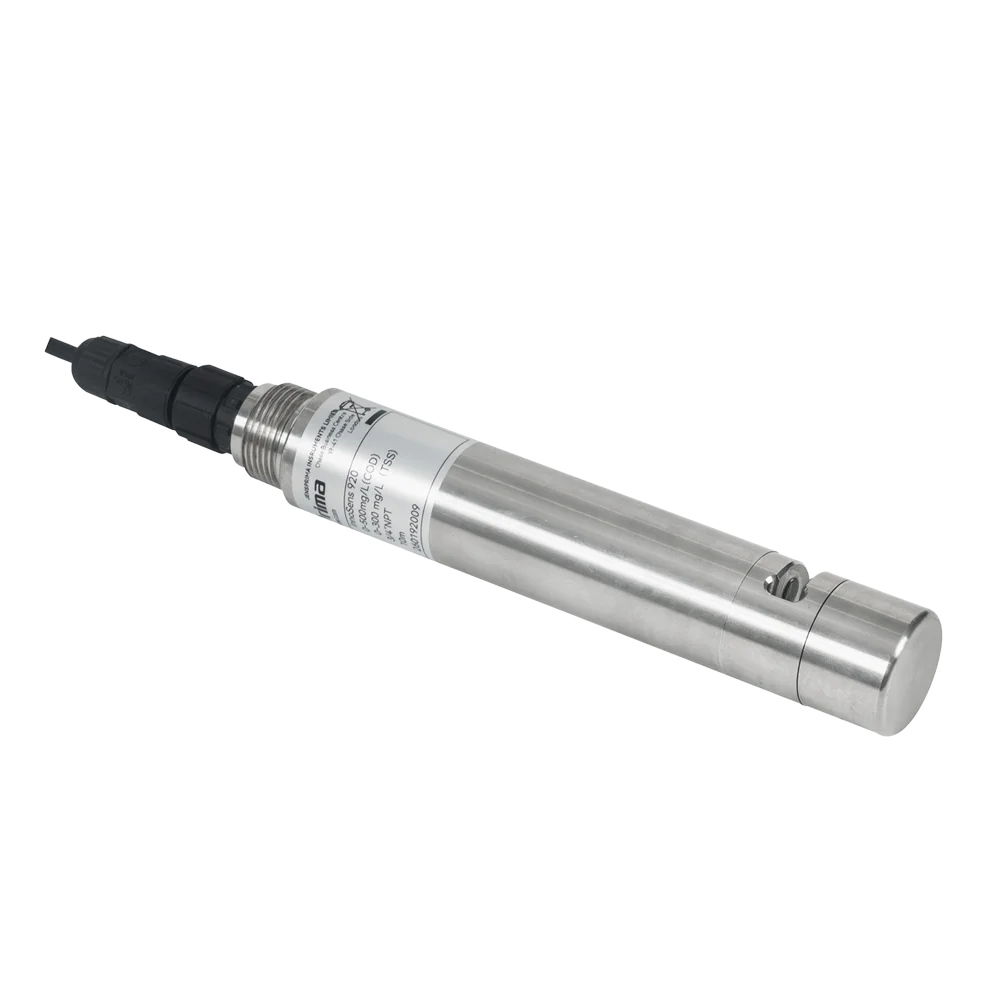
An online water hardness analyzer is a sophisticated instrument designed for the continuous, real-time measurement of calcium and magnesium concentrations in water. Unlike traditional grab-sample methods, which require laboratory analysis and provide only a point-in-time assessment, these analyzers deliver a dynamic view of water quality. They typically employ various technologies, including ion-selective electrodes (ISE), conductivity measurements, and titration methods, to determine hardness levels.
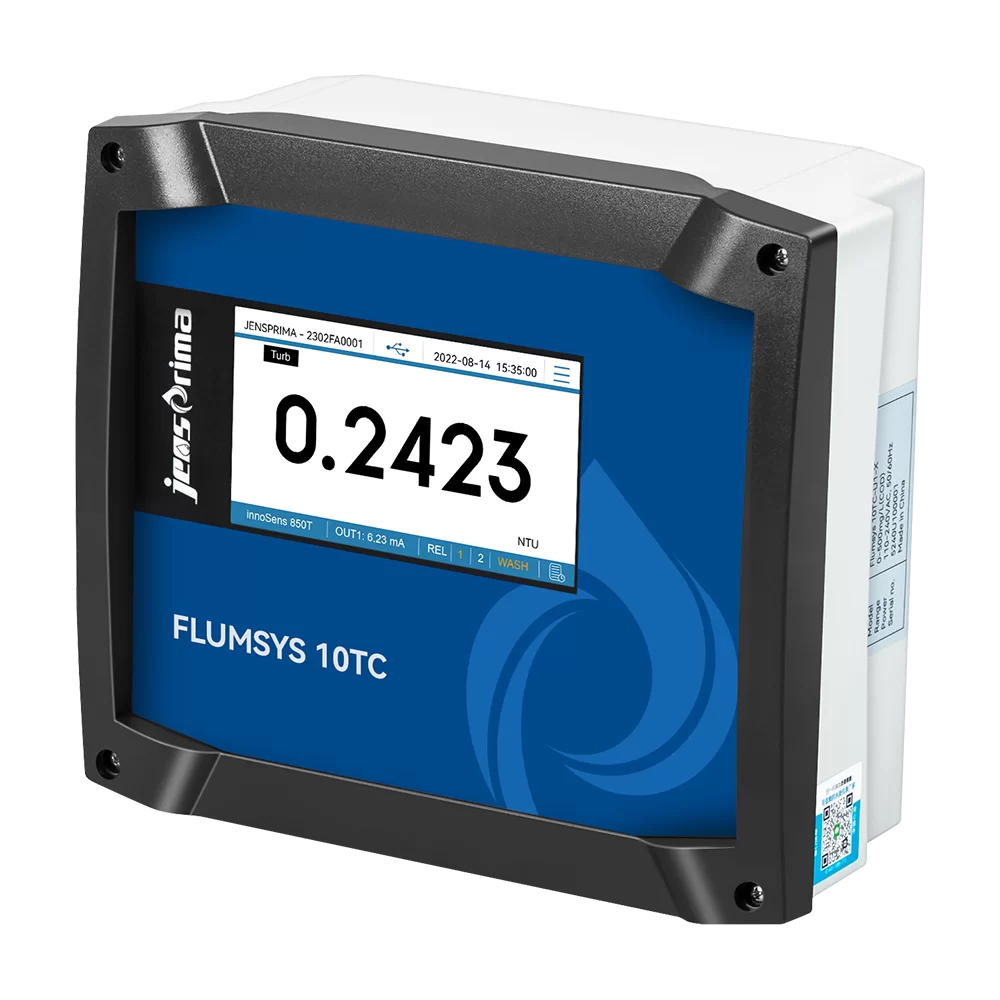
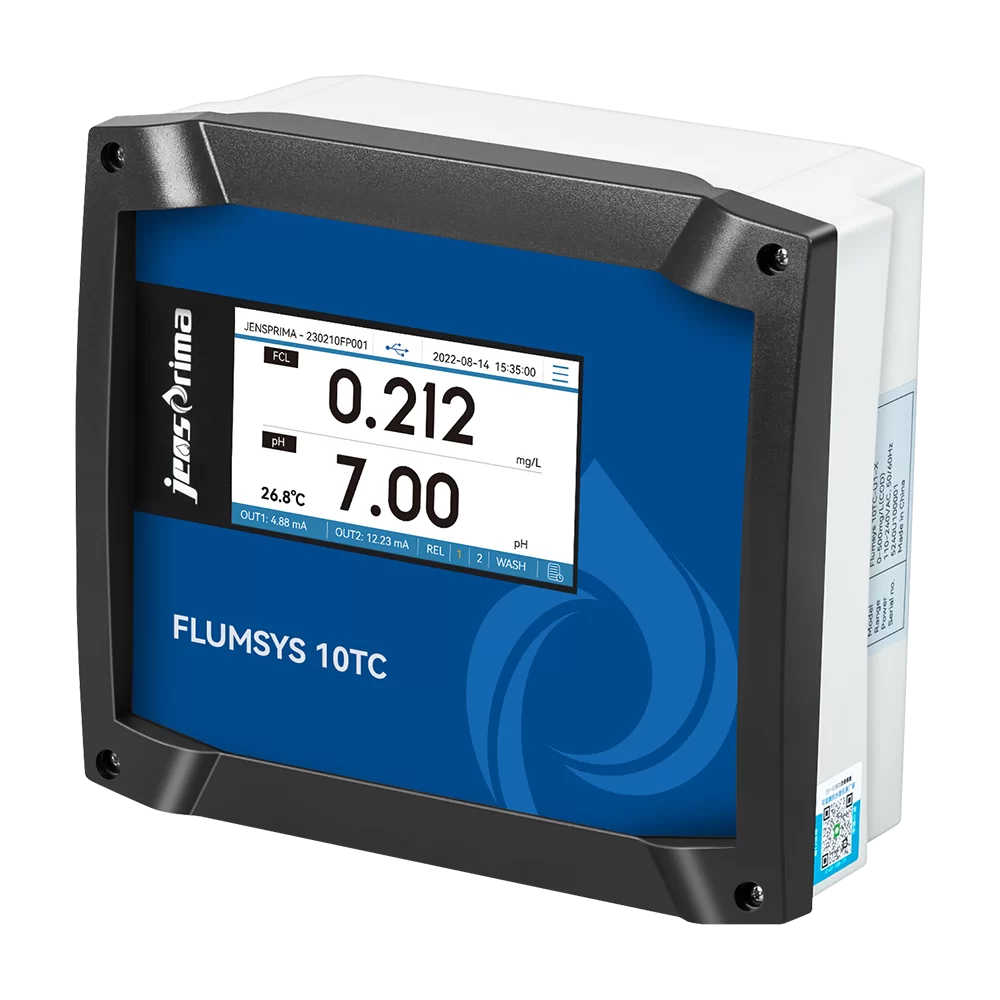
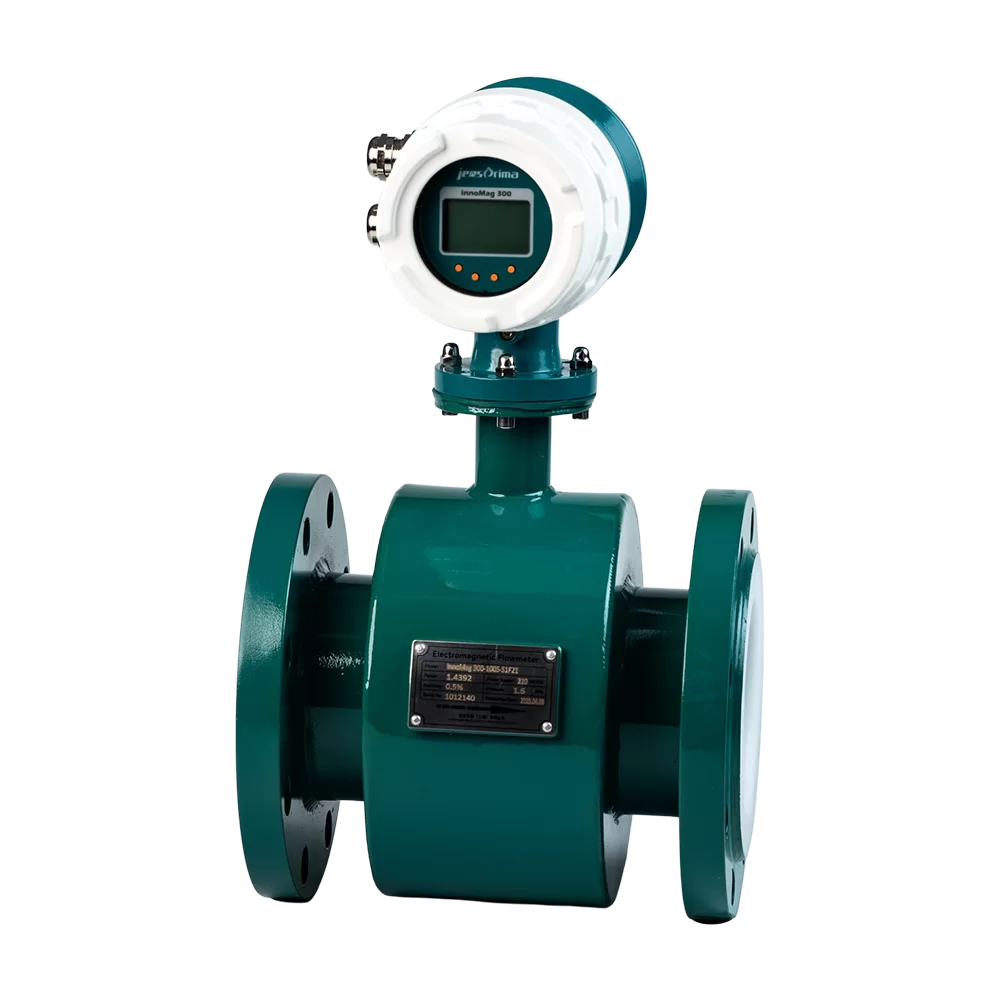
These analyzers integrate seamlessly into existing water treatment and distribution systems, providing data directly to control systems or remote monitoring platforms. This allows for automated adjustments to treatment processes, ensuring optimal water quality and minimizing operational costs. The data provided by an online water hardness analyzer supports improved process control and optimized resource utilization.
The connection to modern industrial needs is clear: increased efficiency, reduced downtime, and compliance with increasingly stringent environmental regulations all rely on accurate and continuous water quality monitoring. This technology isn’t just about preventing problems; it's about optimizing processes and ensuring sustainable water use.
Key Factors Influencing Analyzer Performance
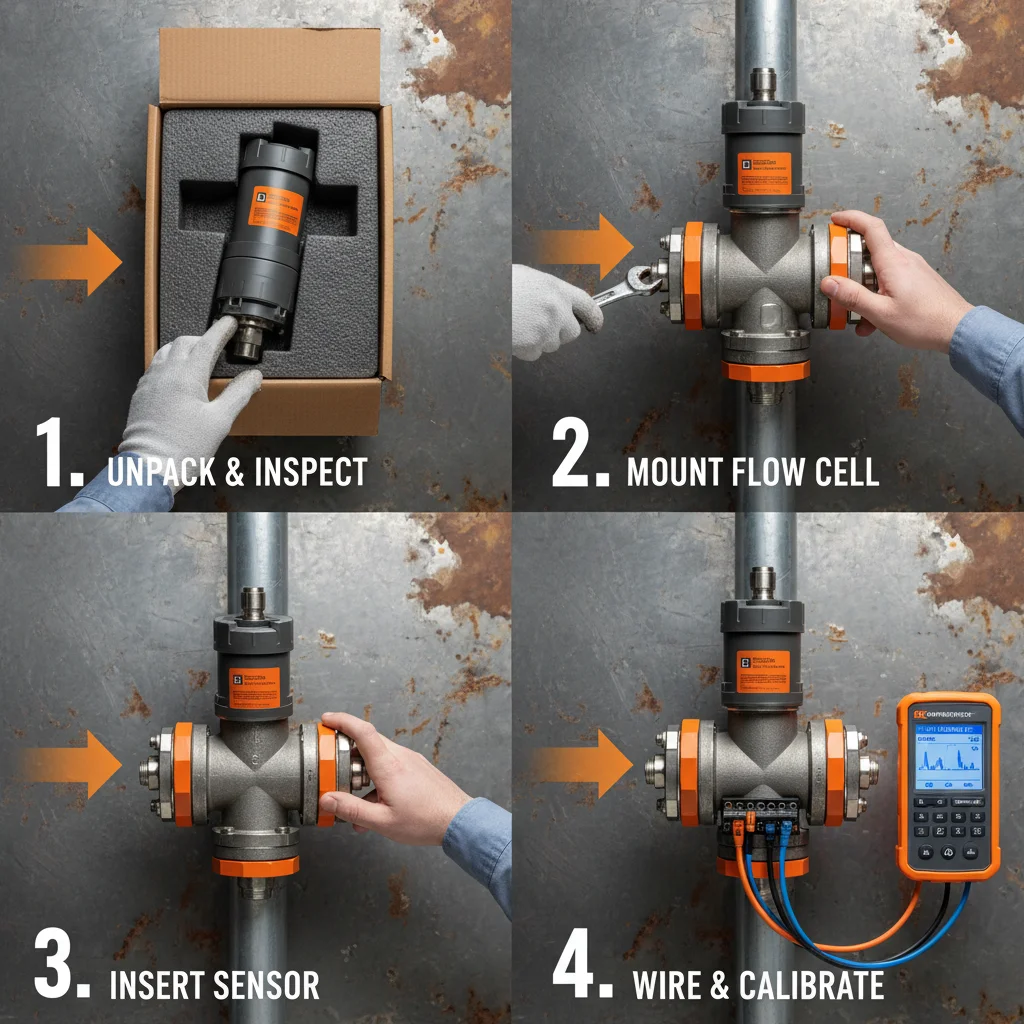
The reliability and accuracy of an online water hardness analyzer depend on several key factors. Calibration is paramount, requiring regular checks against known standards to ensure accurate readings. The frequency of calibration should be determined by the specific application and the manufacturer's recommendations.
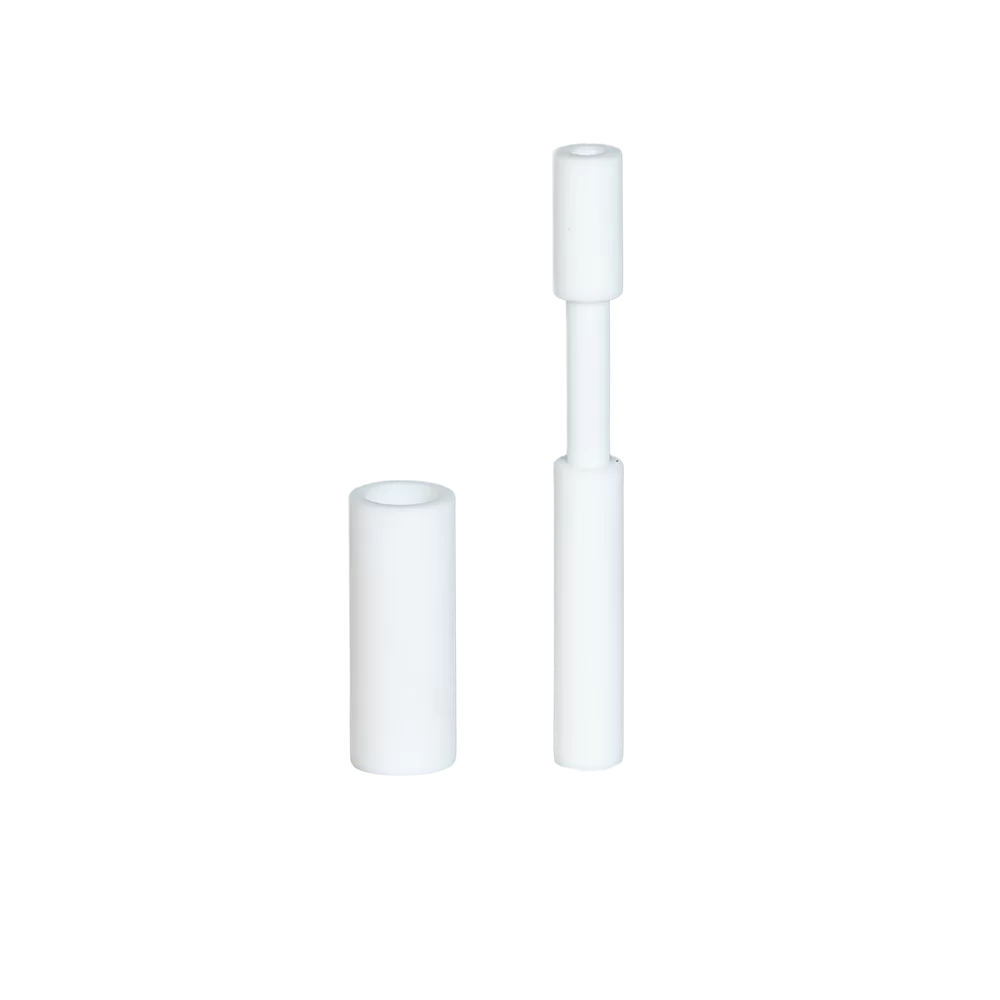
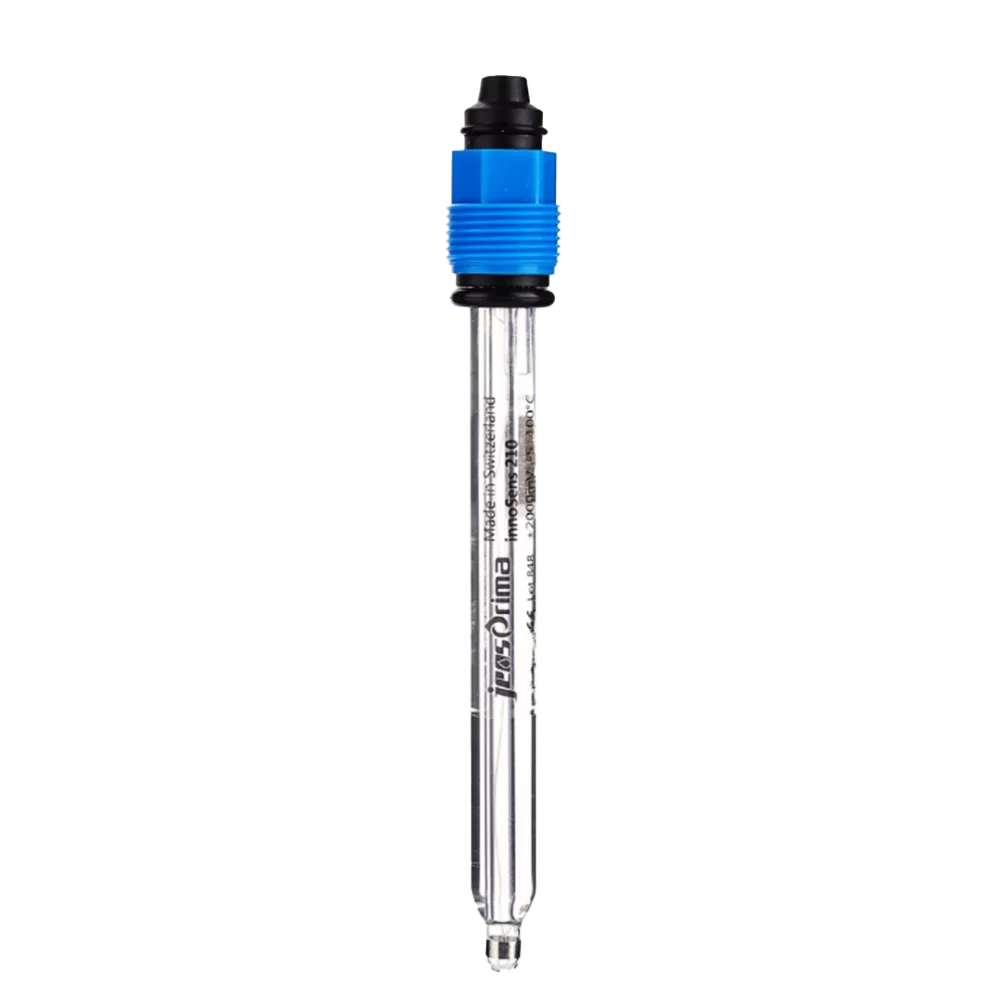
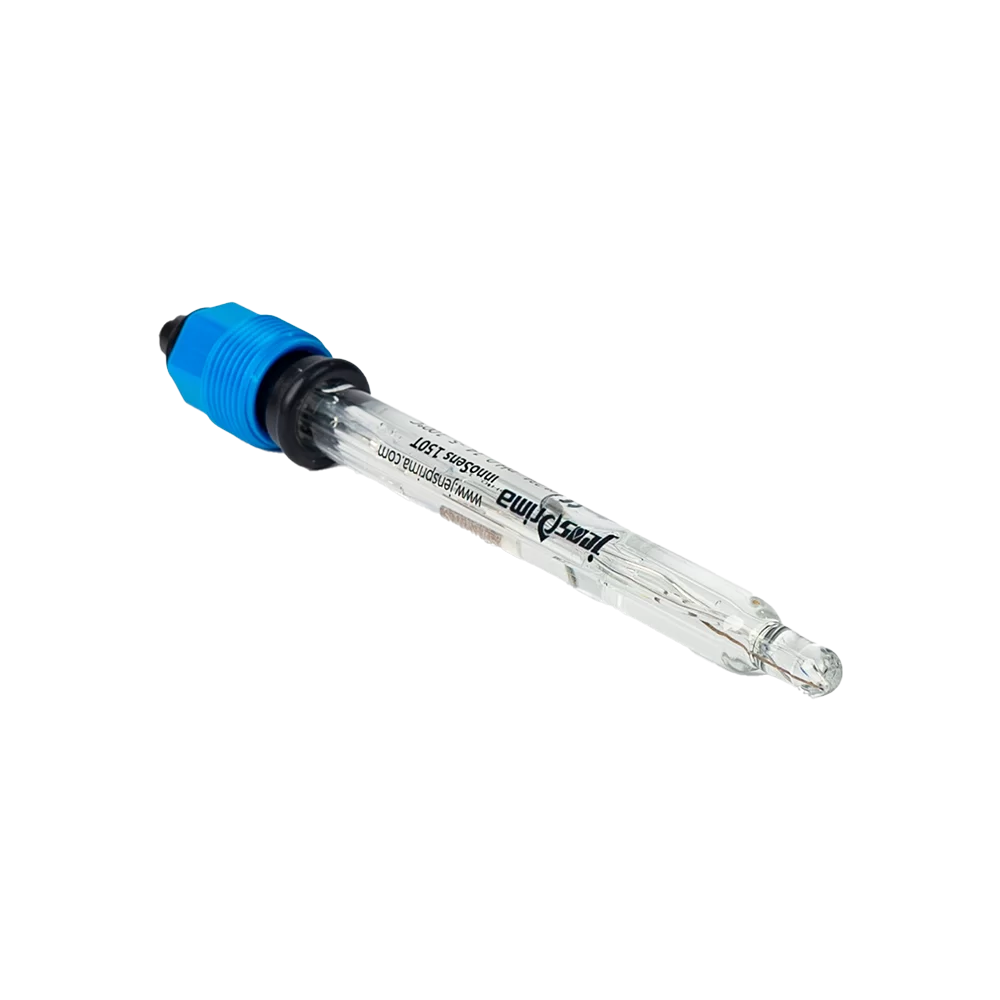
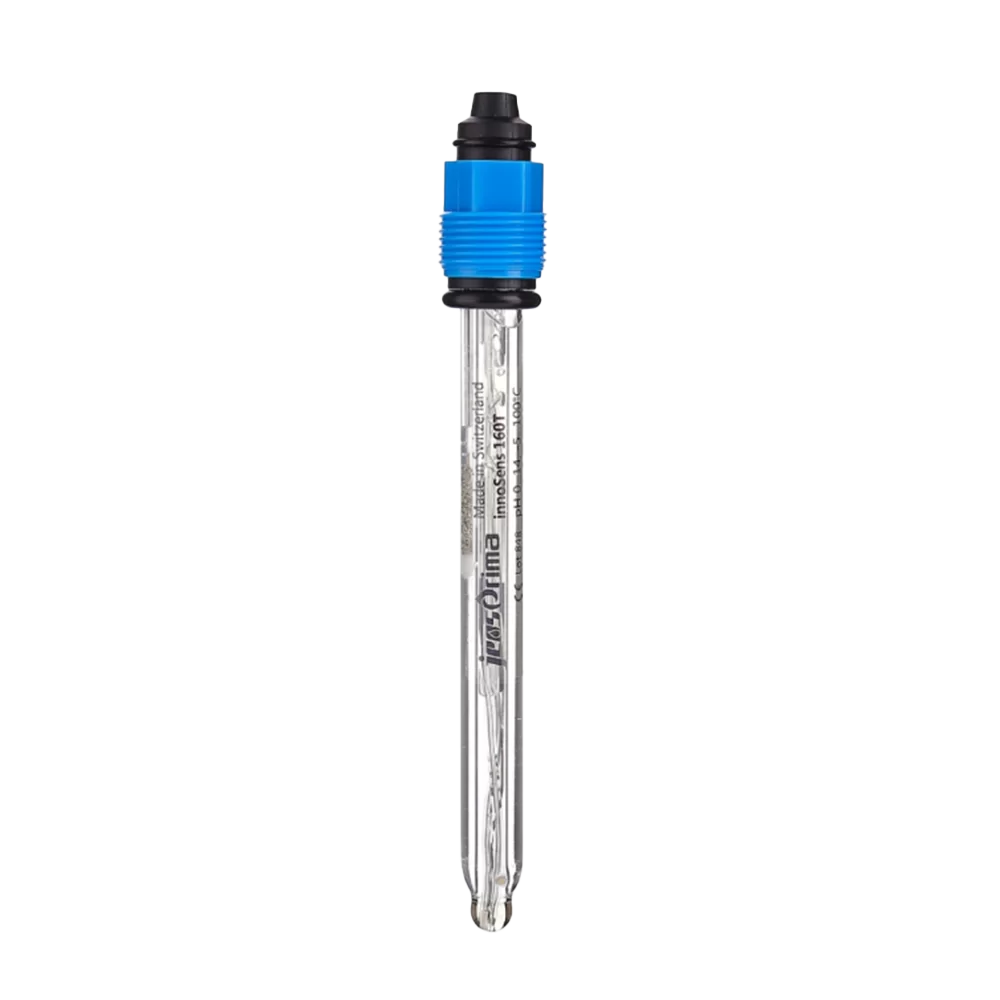
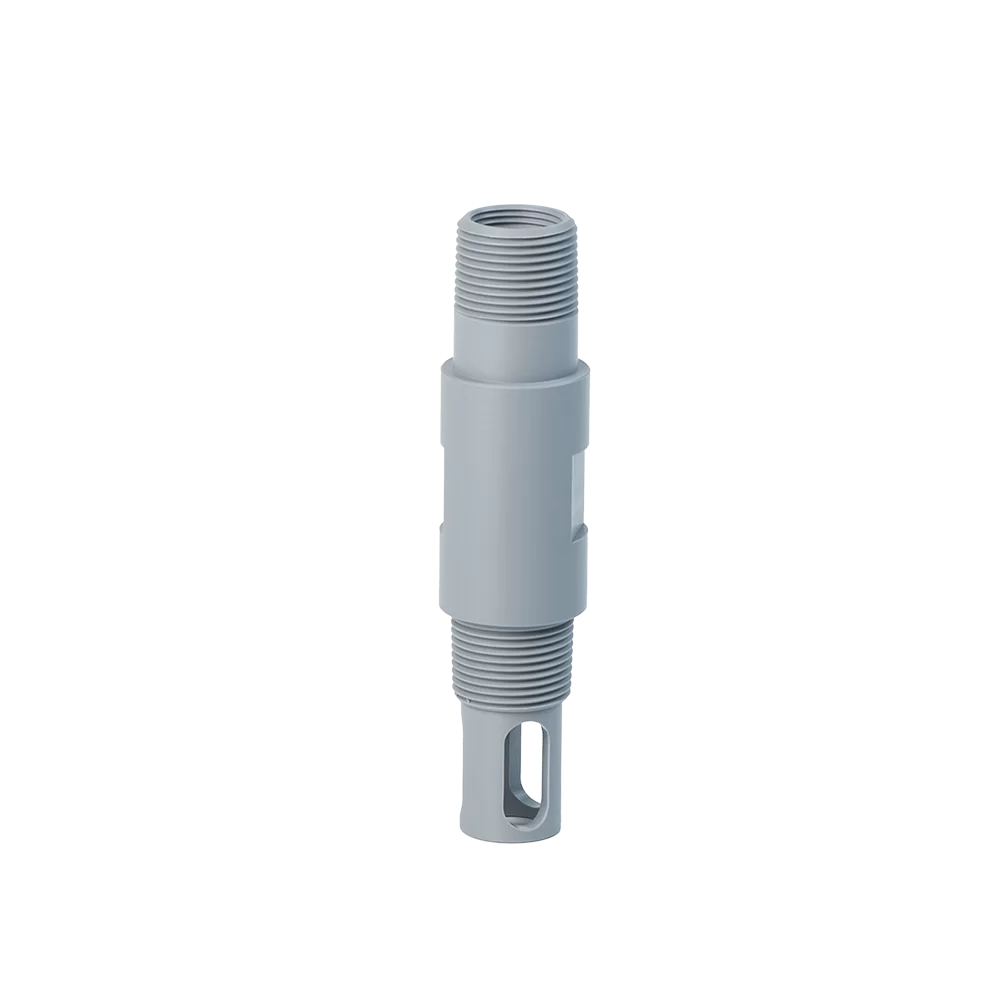
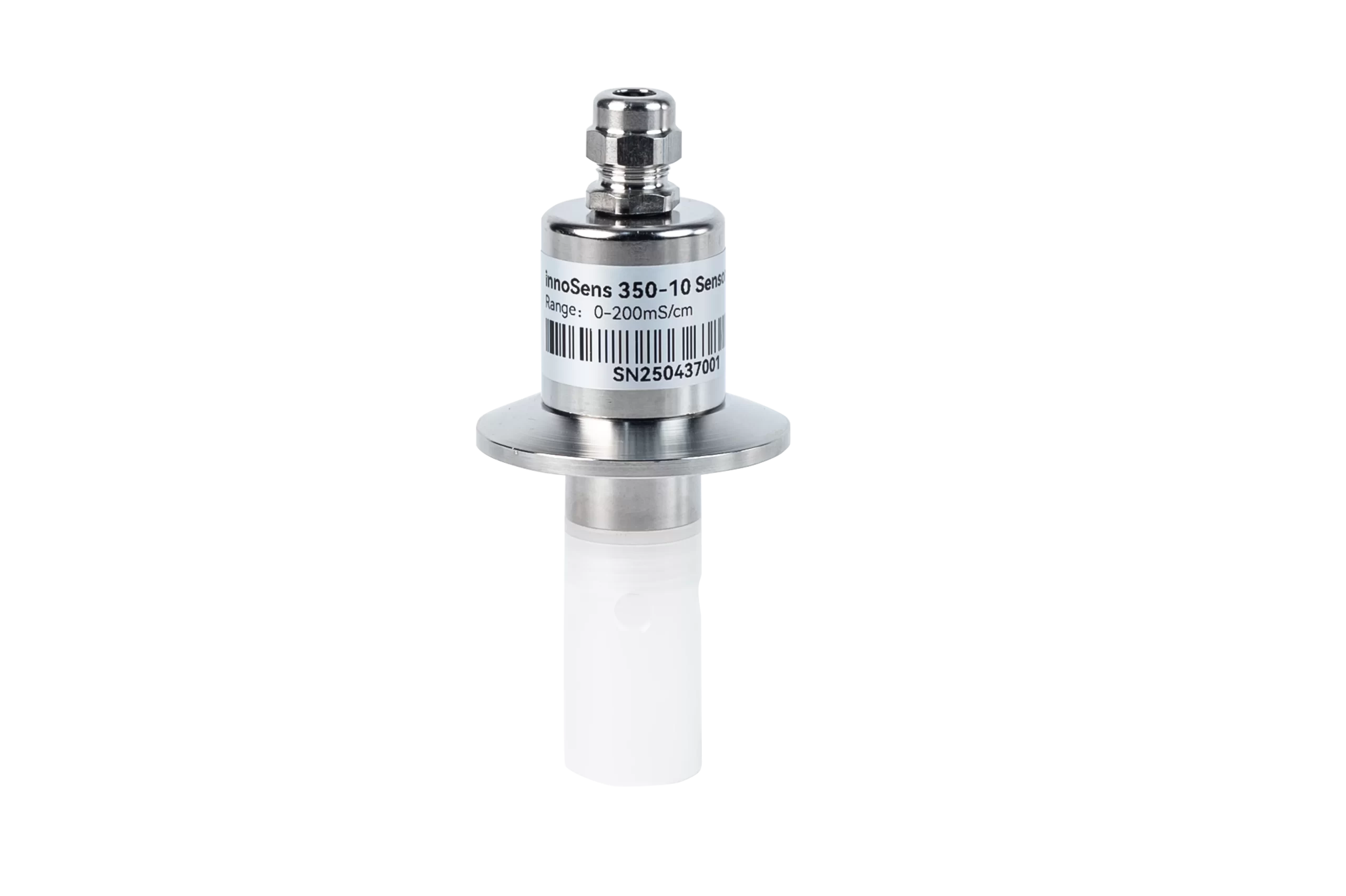
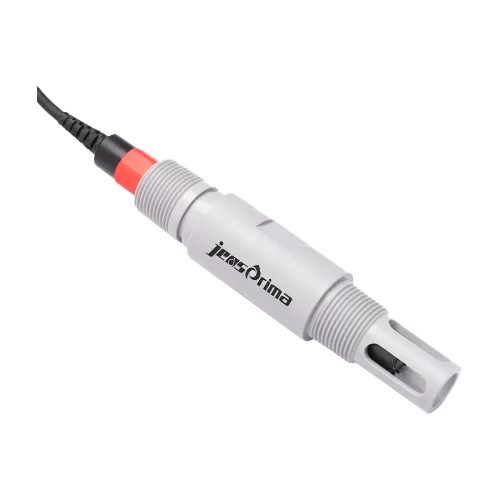
Sensor durability is another critical aspect. The sensor must withstand the corrosive nature of water and maintain its sensitivity over time. Materials used in sensor construction, such as specialized polymers or ceramics, play a vital role in ensuring long-term performance. Proper maintenance and cleaning of the sensor are also essential.
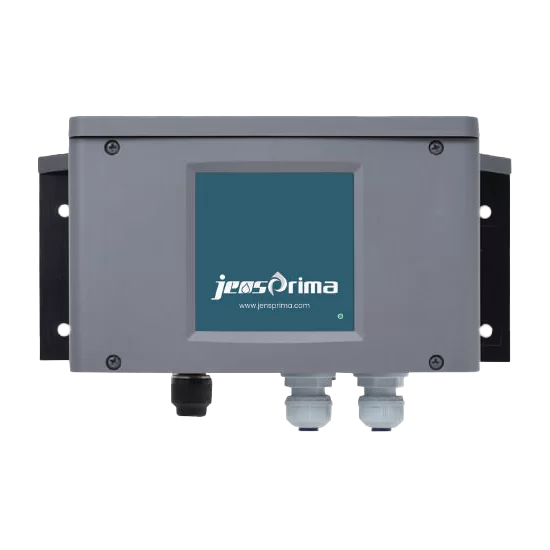
Data transmission and integration capabilities are also important. An effective analyzer should provide secure and reliable data communication to control systems and remote monitoring platforms. Compatibility with existing infrastructure and data formats is crucial for seamless integration. Finally, the analyzer’s response time – how quickly it detects changes in hardness – influences its effectiveness in dynamic applications.
Practical Applications Across Industries
The applications of online water hardness analyzers are incredibly diverse. In the power generation industry, they monitor boiler feedwater to prevent scale buildup and optimize steam production efficiency. In the food and beverage sector, they ensure the quality of ingredients and finished products, meeting stringent regulatory standards.
The chemical processing industry utilizes these analyzers to control reaction parameters and prevent unwanted precipitation. Municipal water treatment plants employ them for real-time monitoring of source water and treated water, ensuring compliance with drinking water regulations. In remote industrial zones, where laboratory access is limited, these analyzers provide essential data for process control.
Comparative Performance of Online Water Hardness Analyzer Methods
Advantages and Long-Term Value Proposition
The advantages of adopting an online water hardness analyzer extend far beyond simple monitoring. The immediate benefits include reduced chemical consumption through optimized treatment, minimized downtime due to scale buildup, and improved product quality. These tangible improvements translate directly into cost savings and increased operational efficiency.
However, the long-term value proposition is even more compelling. By enabling proactive water management, these analyzers contribute to sustainable resource utilization and reduced environmental impact. They also enhance safety by preventing equipment failures and ensuring compliance with environmental regulations, building trust with stakeholders and consumers.
Future Trends in Water Hardness Monitoring
The future of water hardness monitoring is poised for significant advancements. Integration with the Internet of Things (IoT) will enable remote access, predictive maintenance, and automated control of water treatment processes. The development of more sensitive and durable sensors, utilizing nanotechnology and advanced materials, will further enhance accuracy and reliability.
The use of artificial intelligence (AI) and machine learning (ML) algorithms to analyze data from these analyzers will allow for more precise prediction of scaling trends and optimization of treatment strategies. Furthermore, the development of wireless and portable analyzers will expand their applicability to remote locations and field operations.
These innovations will not only improve the efficiency and effectiveness of water hardness monitoring but also contribute to a more sustainable and resilient water infrastructure.
Challenges and Innovative Solutions
Despite the advancements in online water hardness analyzer technology, certain challenges remain. Sensor fouling and drift can affect accuracy and require frequent maintenance. Complex water matrices containing interfering ions can also pose analytical challenges.
Innovative solutions are being developed to address these issues. Self-cleaning sensors and automated calibration systems minimize maintenance requirements. Advanced signal processing techniques and multi-parameter analysis can mitigate the effects of interfering ions. Furthermore, the development of robust and reliable data validation algorithms ensures data integrity.
Addressing these challenges will be crucial for unlocking the full potential of online water hardness analyzers and ensuring their widespread adoption across diverse applications.
Summary of Common Challenges and Innovative Solutions for Online Water Hardness Analyzers
| Challenge |
Impact on Analysis |
Innovative Solution |
Effectiveness Rating (1-10) |
| Sensor Fouling |
Reduced Accuracy, Increased Maintenance |
Automated Cleaning Systems |
8 |
| Sensor Drift |
Inaccurate Readings Over Time |
Automated Calibration Routines |
9 |
| Interfering Ions |
False Positive/Negative Results |
Multi-Parameter Analysis & Signal Processing |
7 |
| Data Transmission Errors |
Loss of Data, Incorrect Control |
Secure and Redundant Communication Protocols |
8 |
| Complex Water Matrices |
Difficulty in Accurate Measurement |
Advanced Sensor Technologies |
6 |
| High Initial Investment |
Barrier to Adoption |
Demonstration of Long-Term ROI |
7 |
FAQS
The lifespan of an online water hardness analyzer typically ranges from 5 to 10 years, depending on the quality of the instrument, the operating environment, and the frequency of maintenance. Regular calibration and proper sensor care are crucial for maximizing longevity. Investing in a high-quality analyzer from a reputable vendor like Jensprima can significantly extend the lifespan and ensure reliable performance.
Calibration frequency depends on the application and the manufacturer’s recommendations, but generally, calibration is recommended every 3 to 6 months. However, frequent fluctuations in water quality or particularly harsh operating conditions may necessitate more frequent calibration. Automated calibration features, available on some models, can streamline this process and ensure ongoing accuracy.
Online water hardness analyzers are versatile and can be used with a wide range of water samples, including potable water, process water, wastewater, and boiler feedwater. However, heavily contaminated samples may require pre-treatment to remove particulate matter or interfering substances. Selecting an analyzer designed for the specific water matrix is essential for accurate and reliable results.
The initial cost of an analyzer varies depending on the features and technology used. Operating costs include calibration standards, sensor replacement, and maintenance. While the upfront investment may be higher than traditional methods, the long-term benefits, such as reduced chemical consumption and improved operational efficiency, typically result in a significant return on investment. Jensprima offers cost-effective solutions without compromising quality.
Most modern online water hardness analyzers offer a variety of data output options, including analog signals (4-20mA), digital communication protocols (Modbus, Profibus), and wireless connectivity. This allows for seamless integration with control systems, data loggers, and remote monitoring platforms. Data can be accessed and analyzed in real-time, enabling informed decision-making.
Online analyzers offer several advantages over traditional laboratory testing. They provide continuous, real-time data, eliminating the delays and inaccuracies associated with grab samples. They also reduce labor costs and minimize the risk of sample contamination. While laboratory testing remains valuable for certain applications, online analyzers provide a more dynamic and comprehensive understanding of water quality.
Conclusion
In conclusion, the implementation of an online water hardness analyzer represents a significant advancement in water quality monitoring. From optimizing industrial processes and ensuring public health to promoting sustainable resource management, the benefits are far-reaching and impactful. The ability to continuously monitor and control water hardness is no longer a luxury, but a necessity for organizations seeking to improve efficiency, reduce costs, and protect the environment.
Looking ahead, continued innovation in sensor technology, data analytics, and connectivity will further enhance the capabilities of these analyzers. Embracing these advancements will empower industries and municipalities to address the growing challenges of water scarcity and quality, building a more sustainable future. To learn more about our advanced solutions, visit our website today: www.jensprima.com


 Download
 Video Center
 Technical Services
 FAQS
FAQS Service Network
 Privacy Policy
 Contact Us