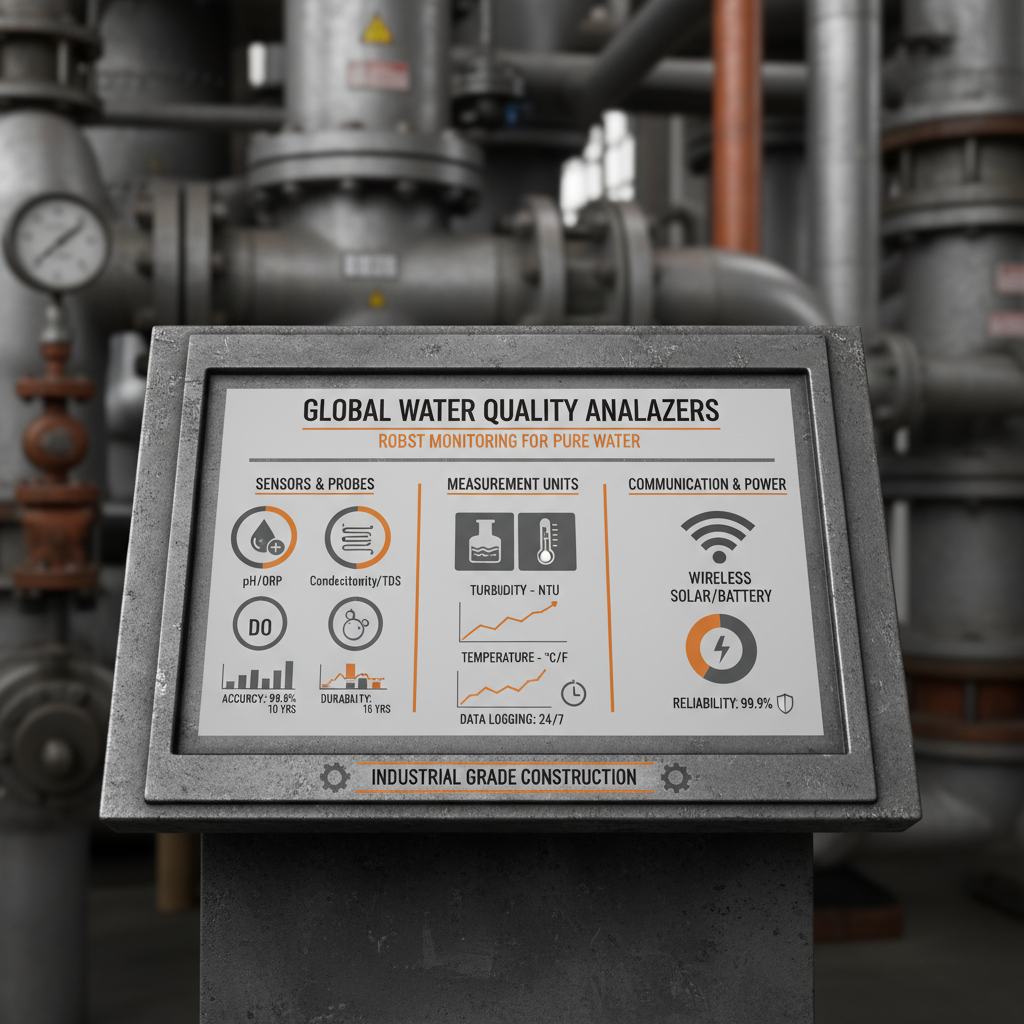
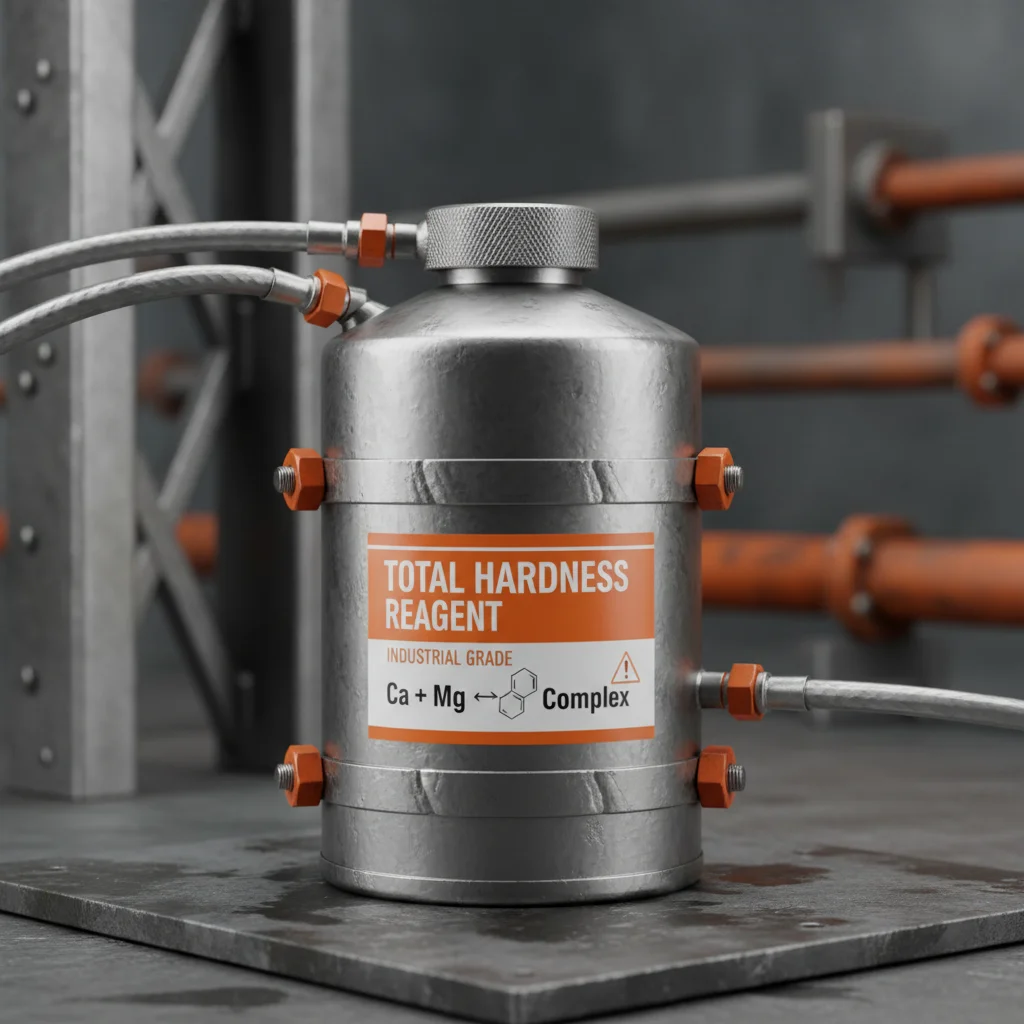
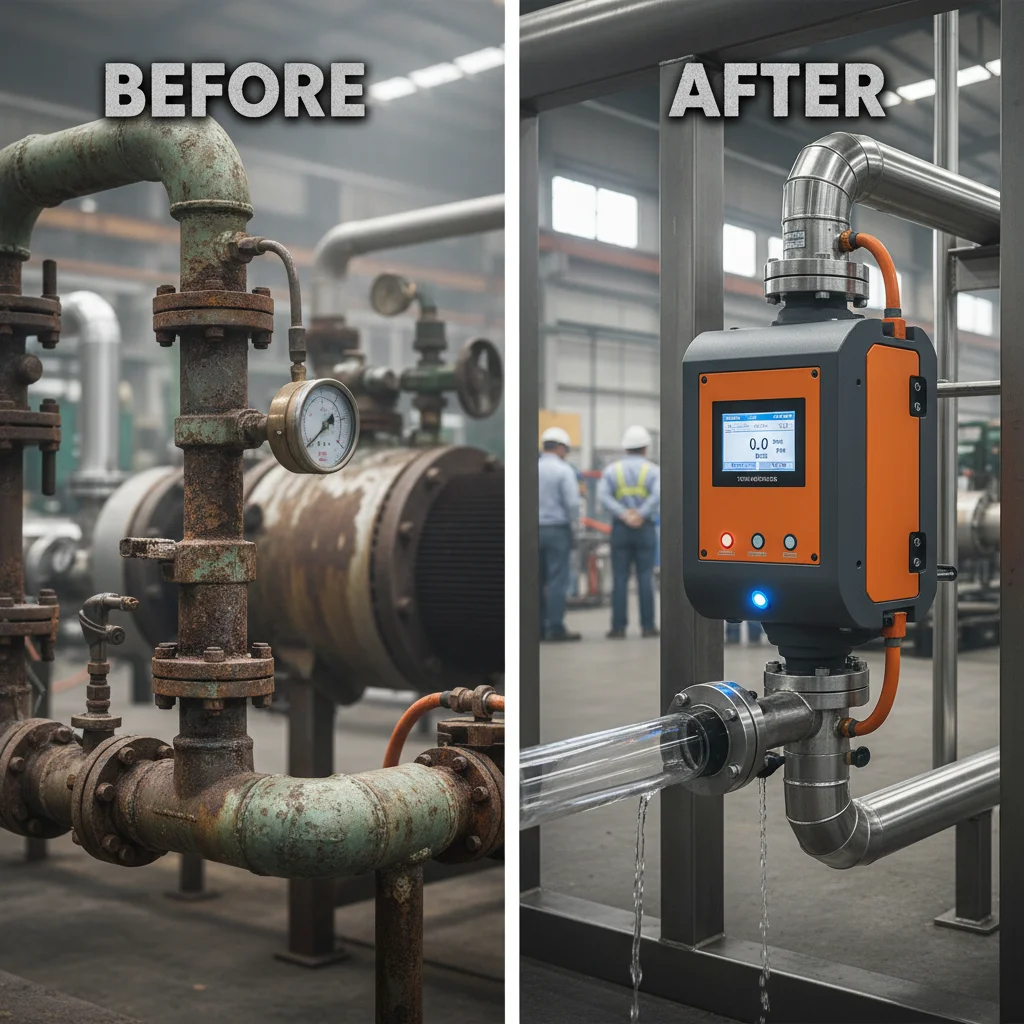
Water quality meters and analyzers are essential tools for monitoring and assessing the characteristics of water, playing a critical role in ensuring public health, environmental protection, and industrial efficiency. These instruments measure various parameters, including pH, dissolved oxygen, conductivity, turbidity, and the presence of specific contaminants, providing vital data for informed decision-making. The increasing demand for safe and clean water globally drives the ongoing development and adoption of increasingly sophisticated water quality meters analyzers.
Globally, access to safe water remains a significant challenge. According to the World Health Organization, billions of people lack access to safely managed drinking water services. Furthermore, industrial discharges and agricultural runoff contribute to widespread water pollution, necessitating constant monitoring to mitigate risks. Accurate and reliable water quality meters analyzers are therefore indispensable for safeguarding this vital resource and protecting vulnerable populations. These instruments are becoming ever more crucial as water scarcity and pollution become increasingly prevalent worldwide.
The advancement in technology has led to the creation of portable, robust, and user-friendly water quality meters and analyzers, making them accessible for diverse applications. From municipal water treatment plants to remote field studies and individual home testing, the applications are vast. The data obtained from these instruments informs everything from regulatory compliance to environmental research and individual wellness choices. Water quality meters analyzers are not just tools; they’re an investment in a sustainable future.
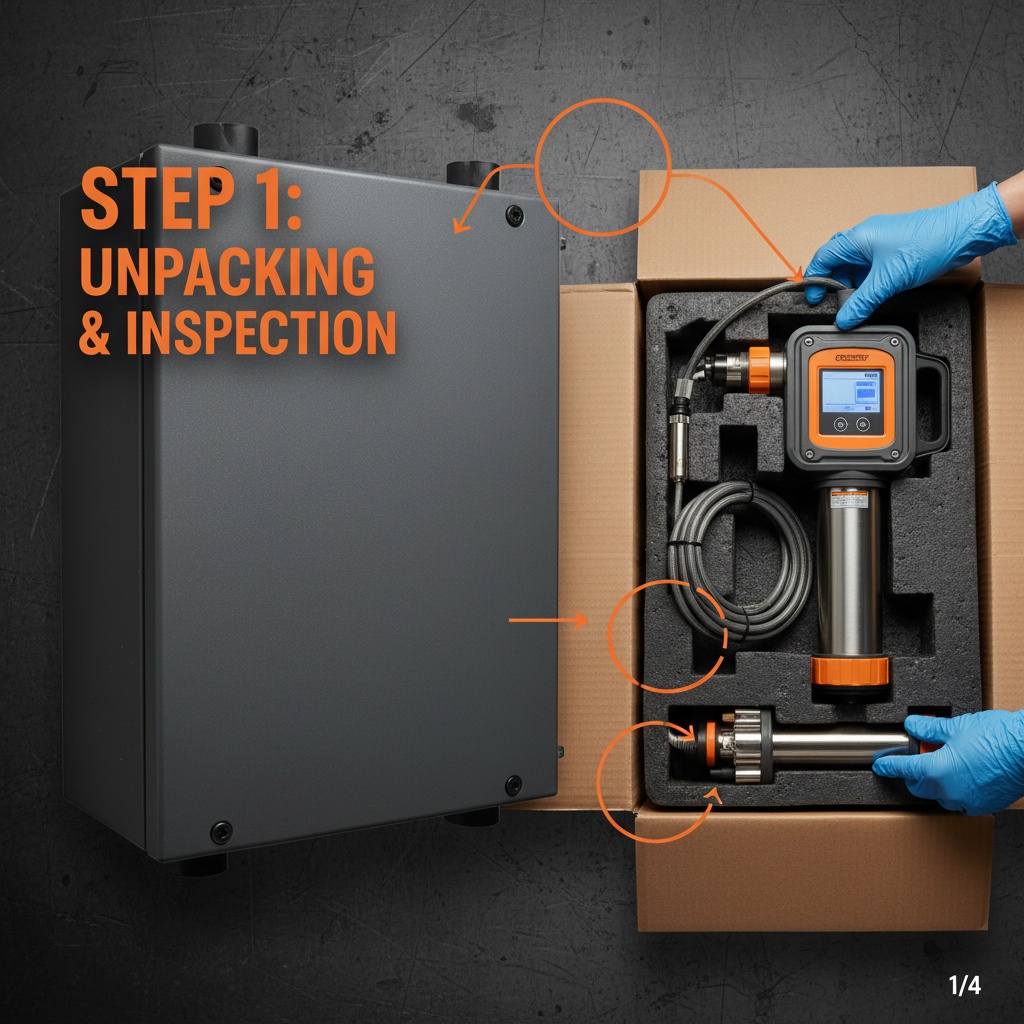
Introduction: Global or Industry Context
The global market for water quality meters and analyzers is experiencing substantial growth, driven by stringent environmental regulations and increasing awareness of waterborne diseases. The United Nations Sustainable Development Goal 6, which aims to ensure availability and sustainable management of water and sanitation for all, further emphasizes the importance of accurate water quality monitoring. This translates to a strong demand for reliable and precise water quality meters analyzers.
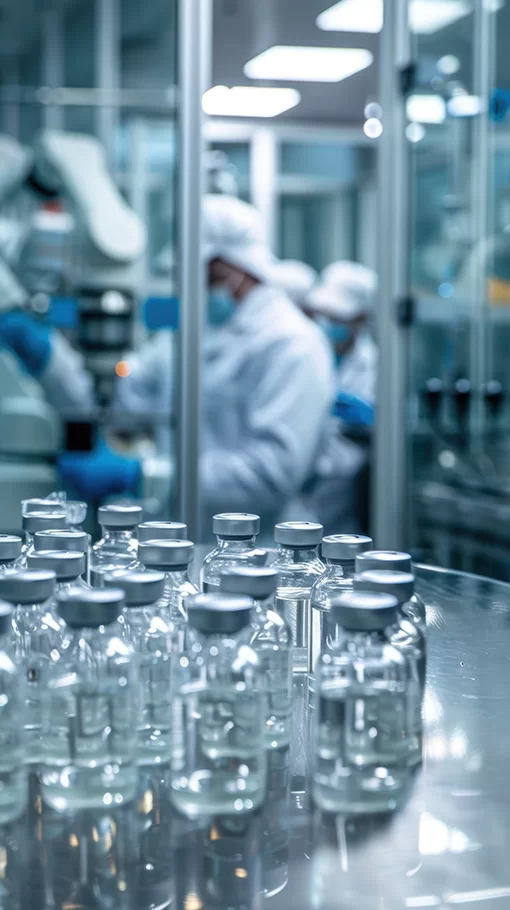
Industries heavily reliant on water, such as power generation, food and beverage, pharmaceuticals, and chemical manufacturing, are major consumers of these instruments. They need to comply with discharge permits and maintain optimal process control, leading to consistent investment in cutting-edge monitoring technology. The ISO standards for water quality testing reinforce the need for validated methods and calibrated instruments, driving further market expansion.
A critical challenge addressed by these instruments is the increasing prevalence of emerging contaminants – pollutants not routinely monitored by conventional testing methods. These include pharmaceuticals, microplastics, and per- and polyfluoroalkyl substances (PFAS). The development of sensors capable of detecting these compounds is a key area of innovation in the water quality meters analyzers sector.
Definition & Meaning
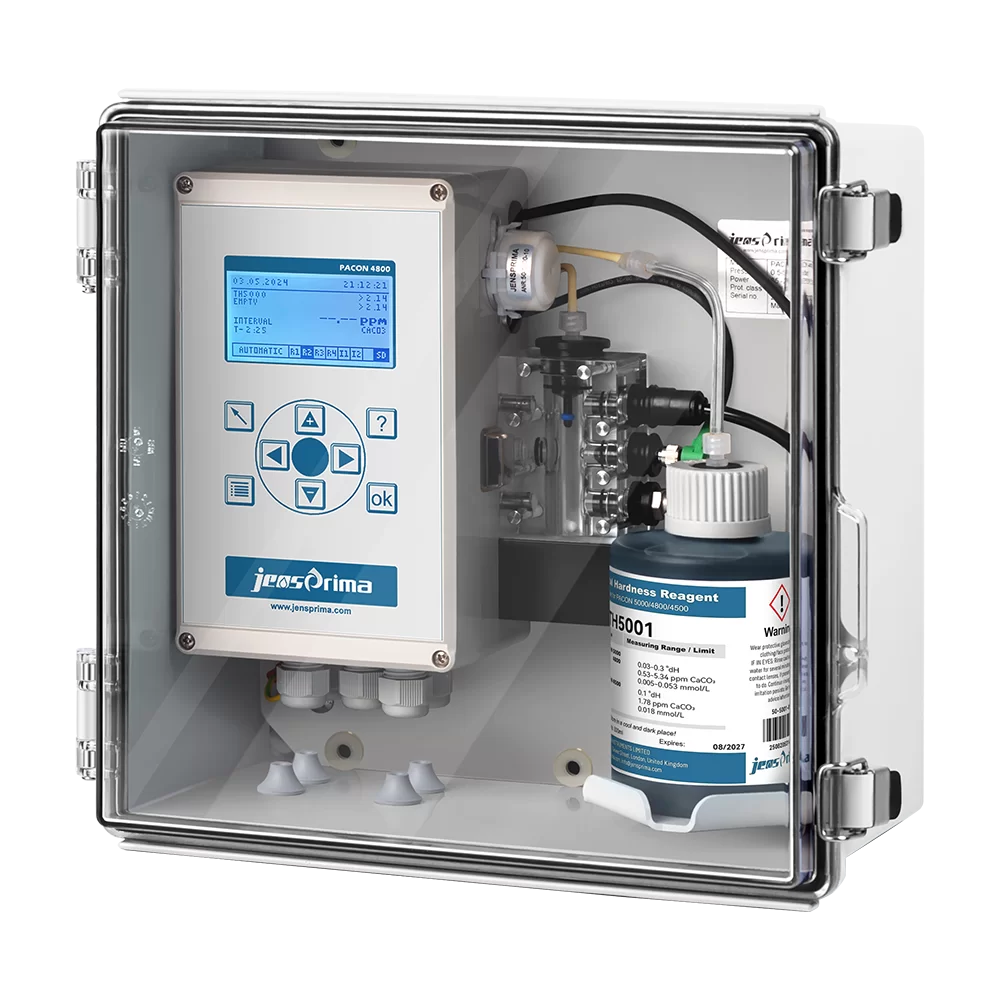
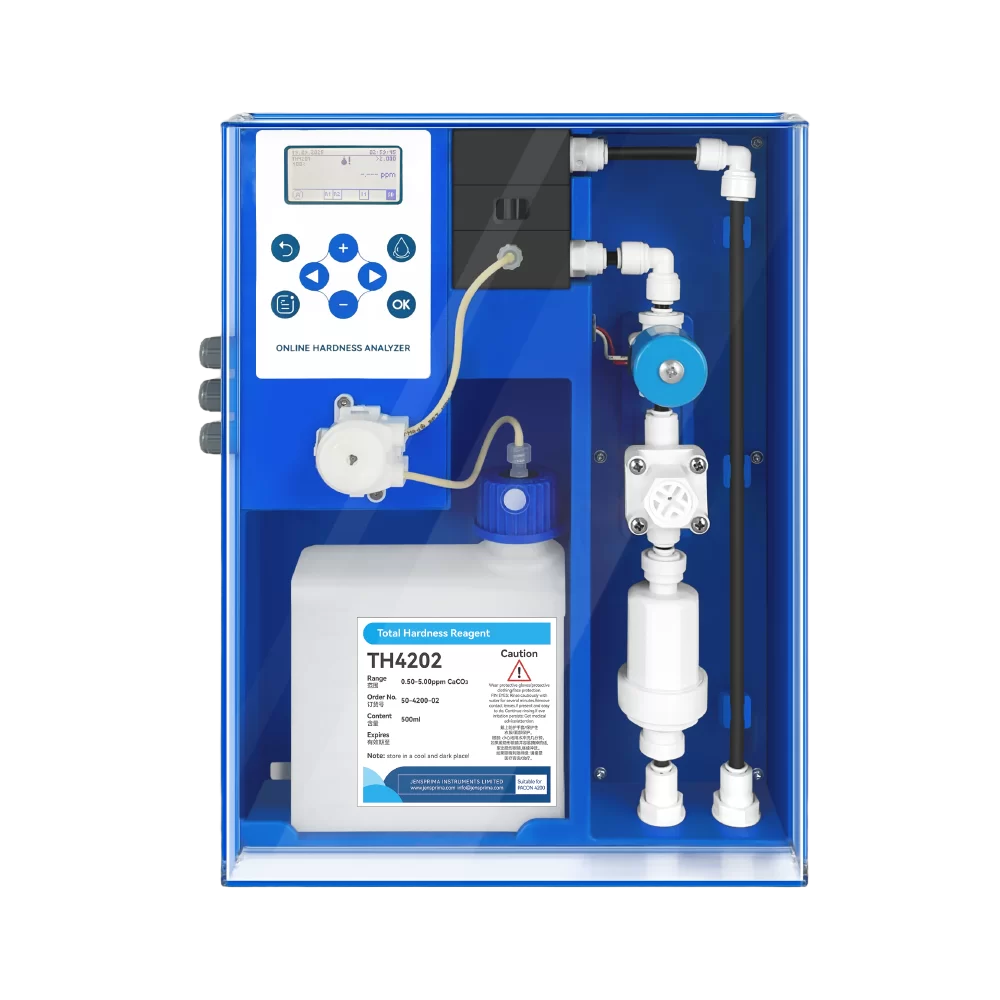
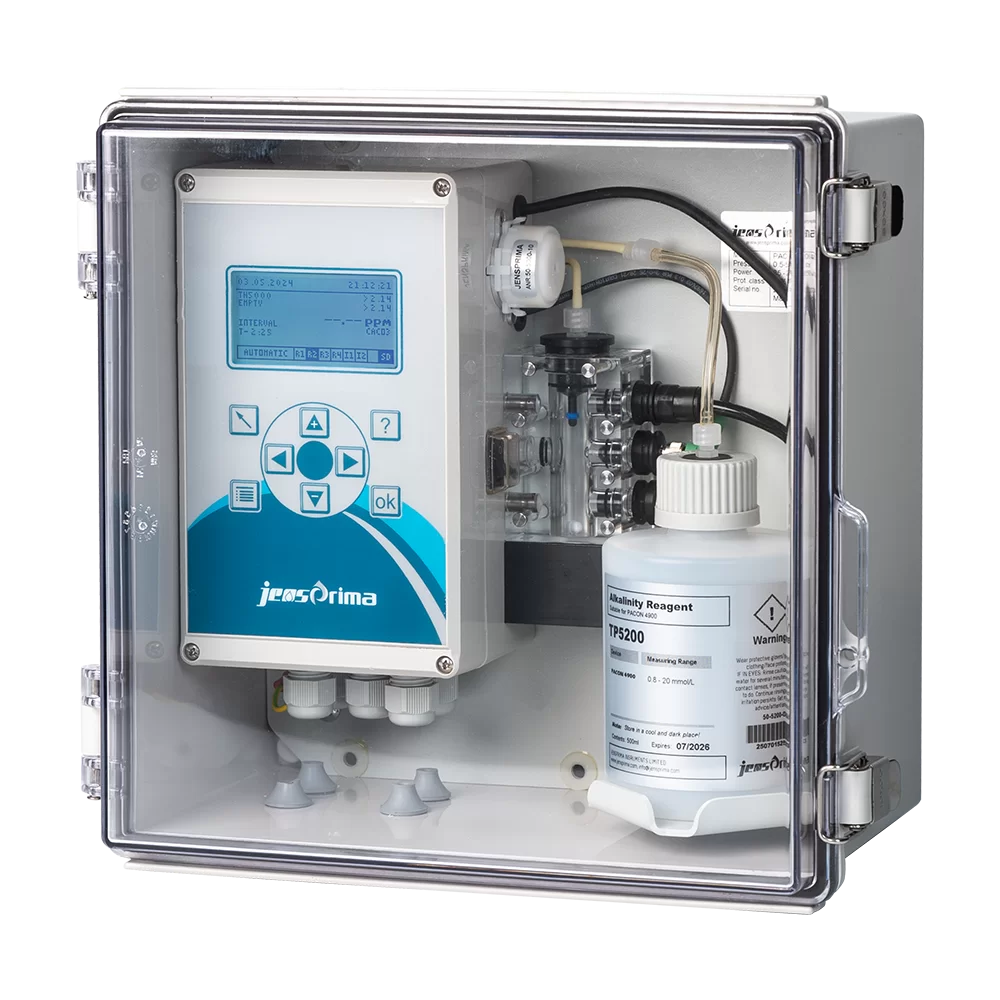
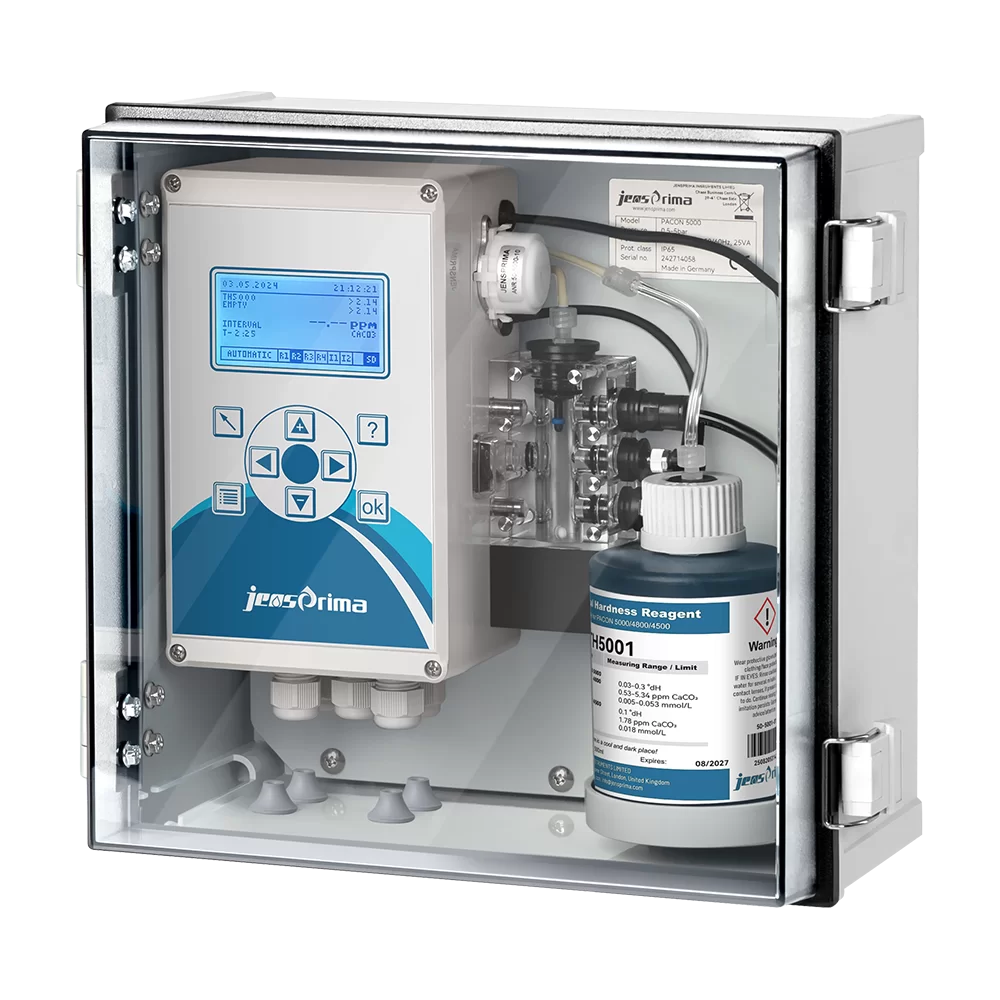
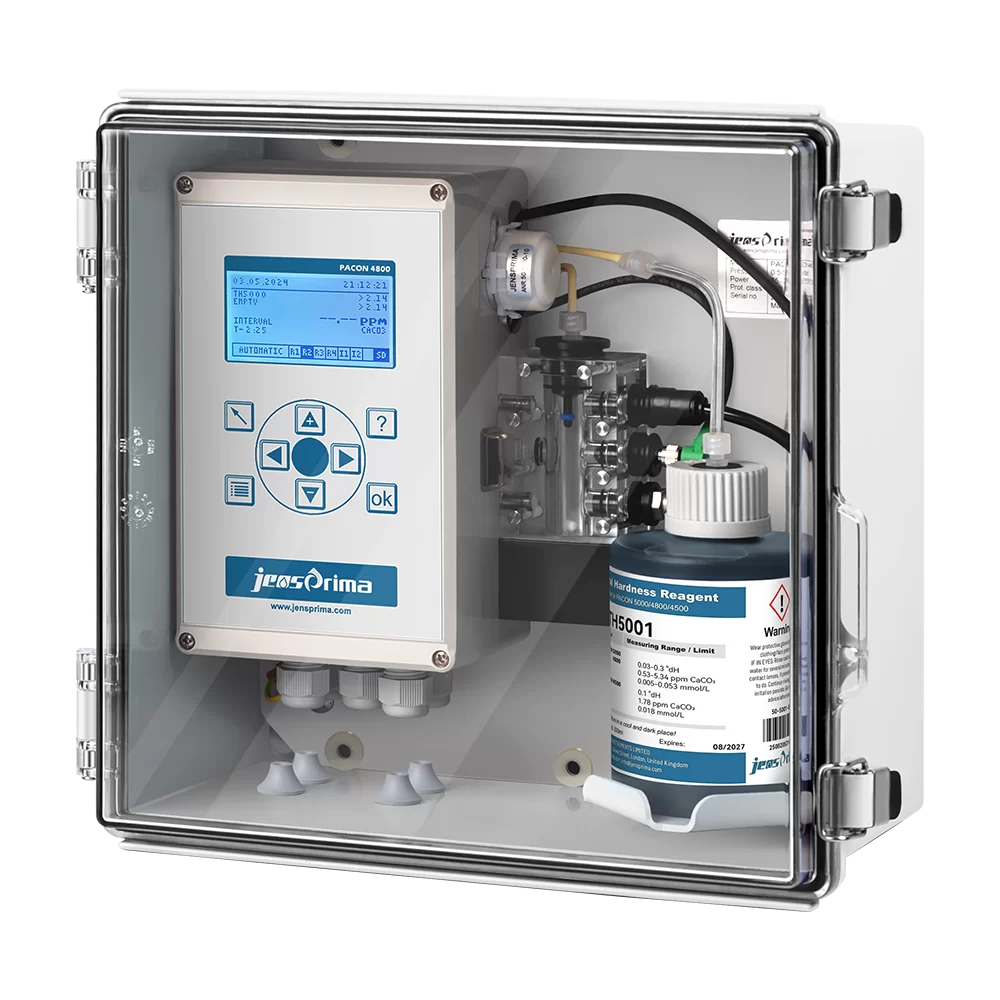
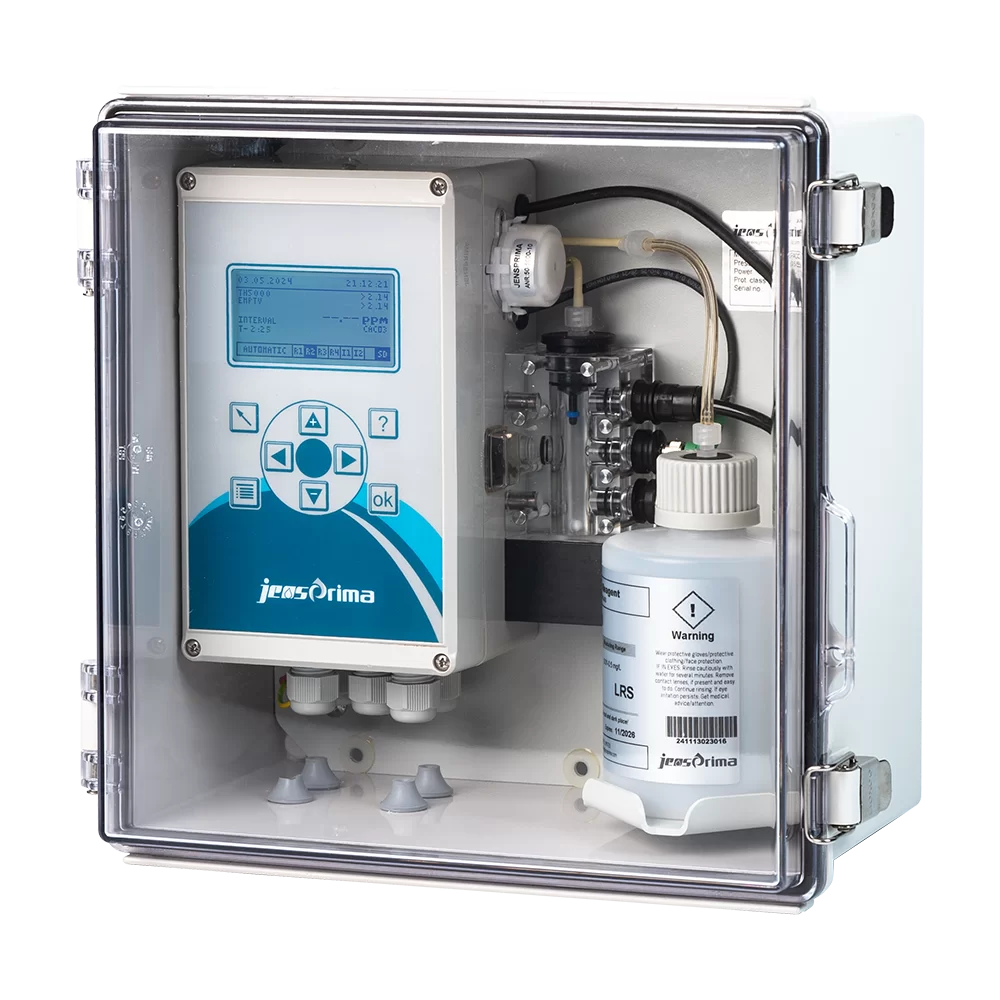
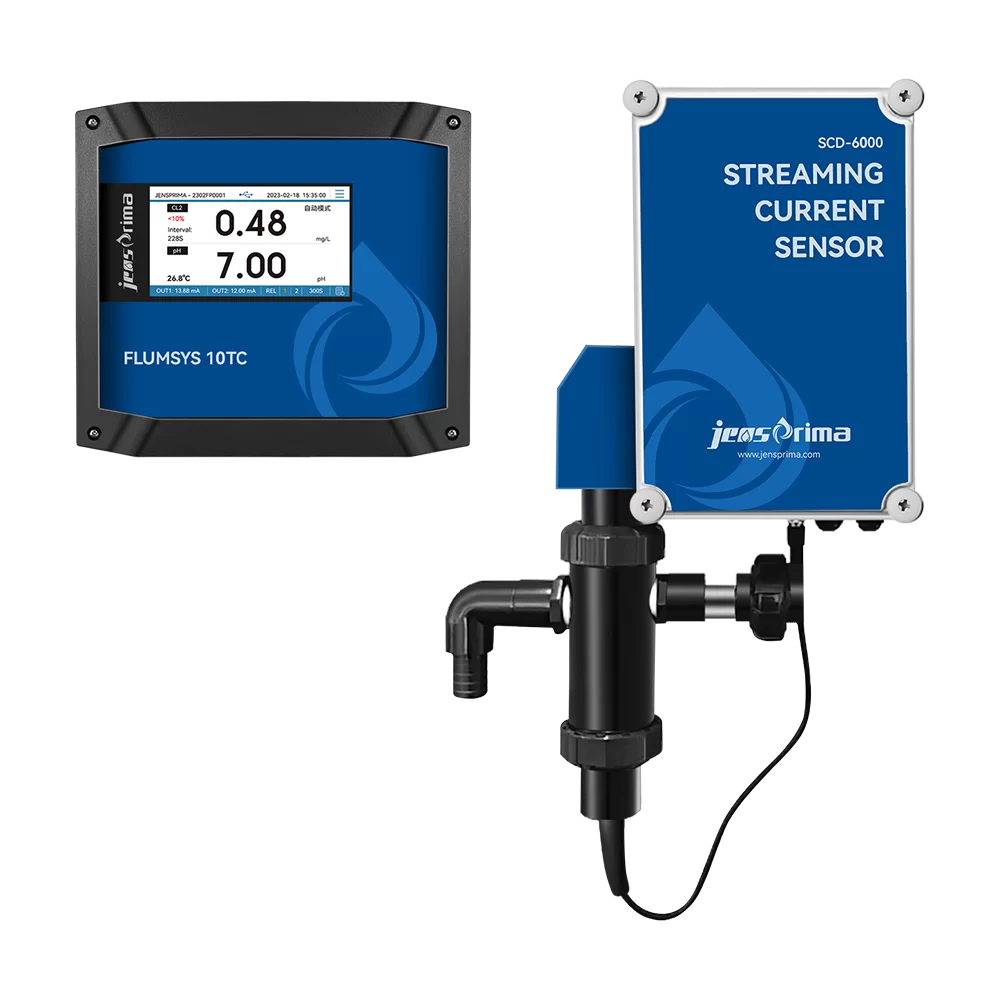
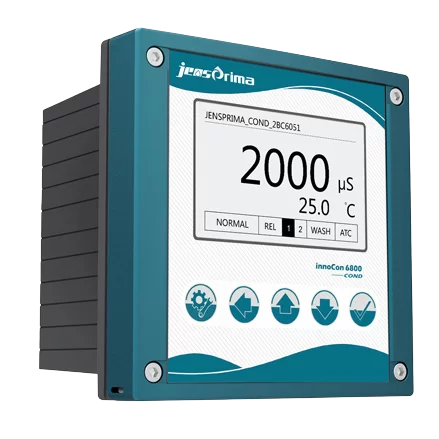
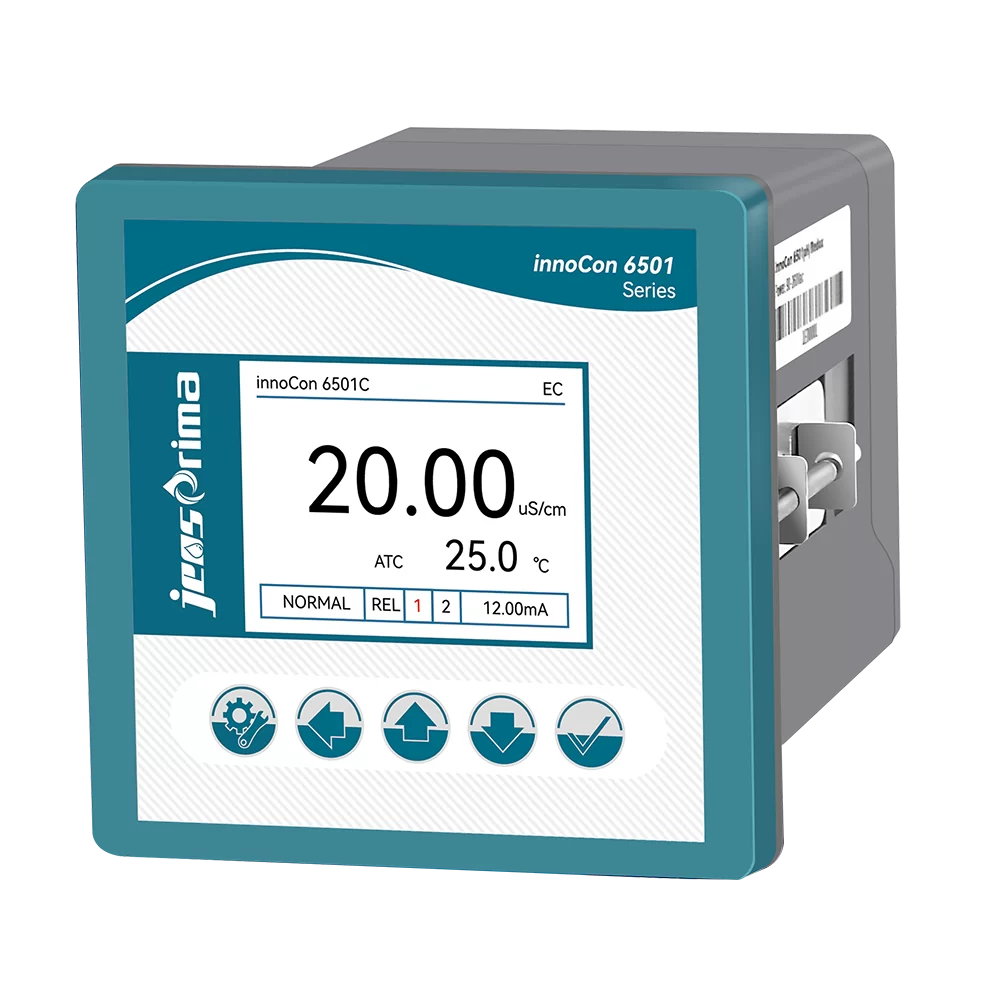
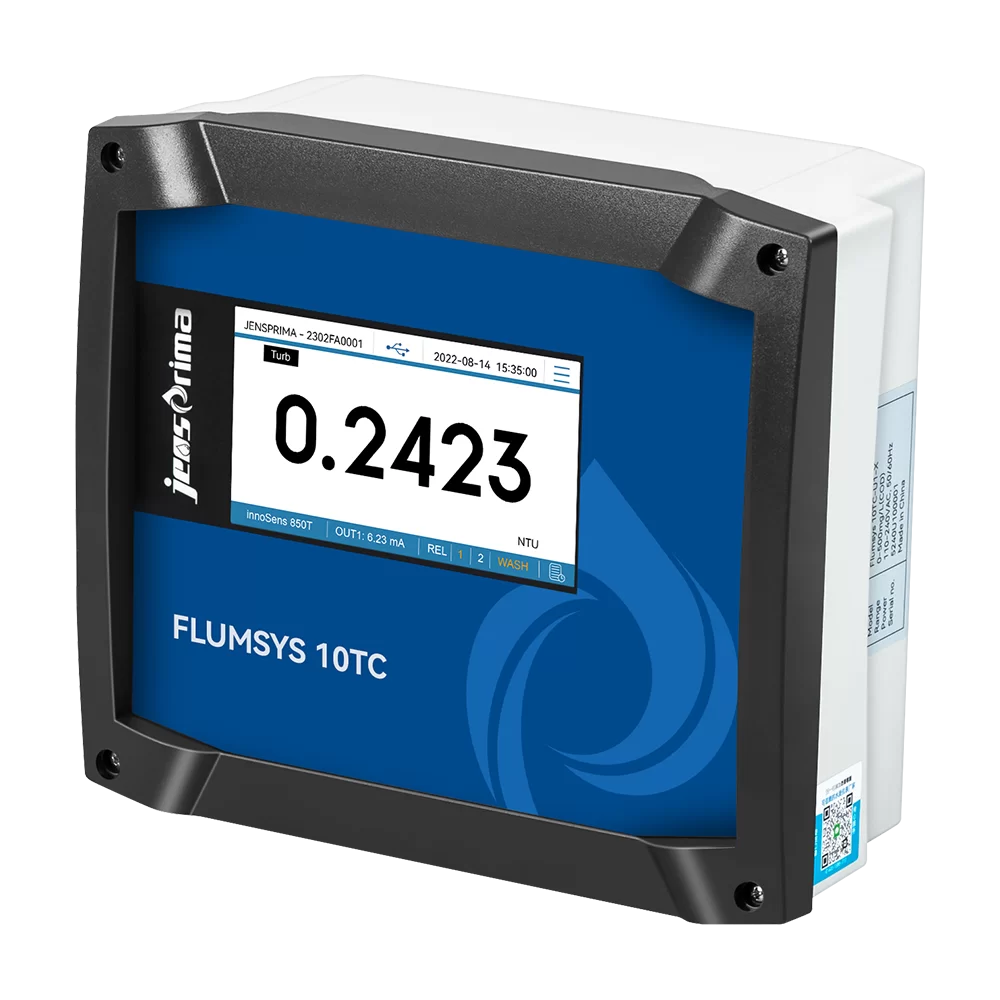
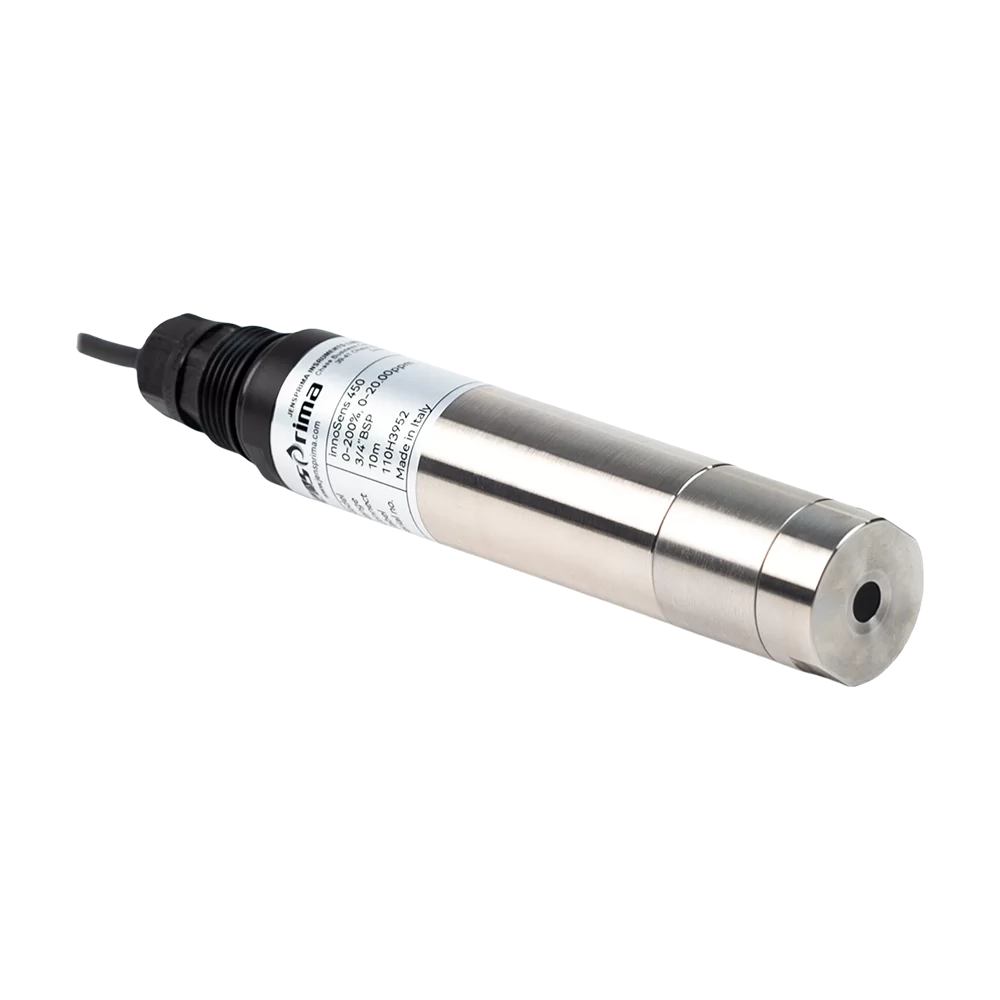
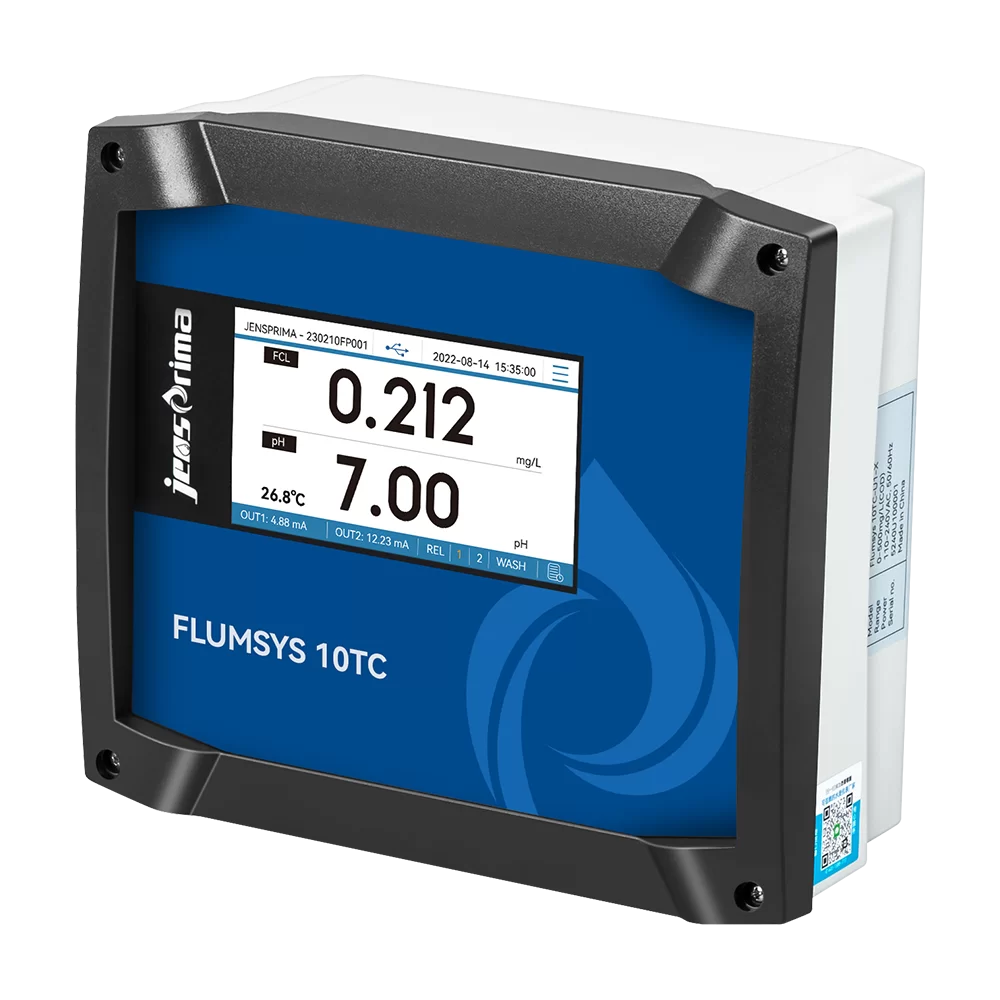
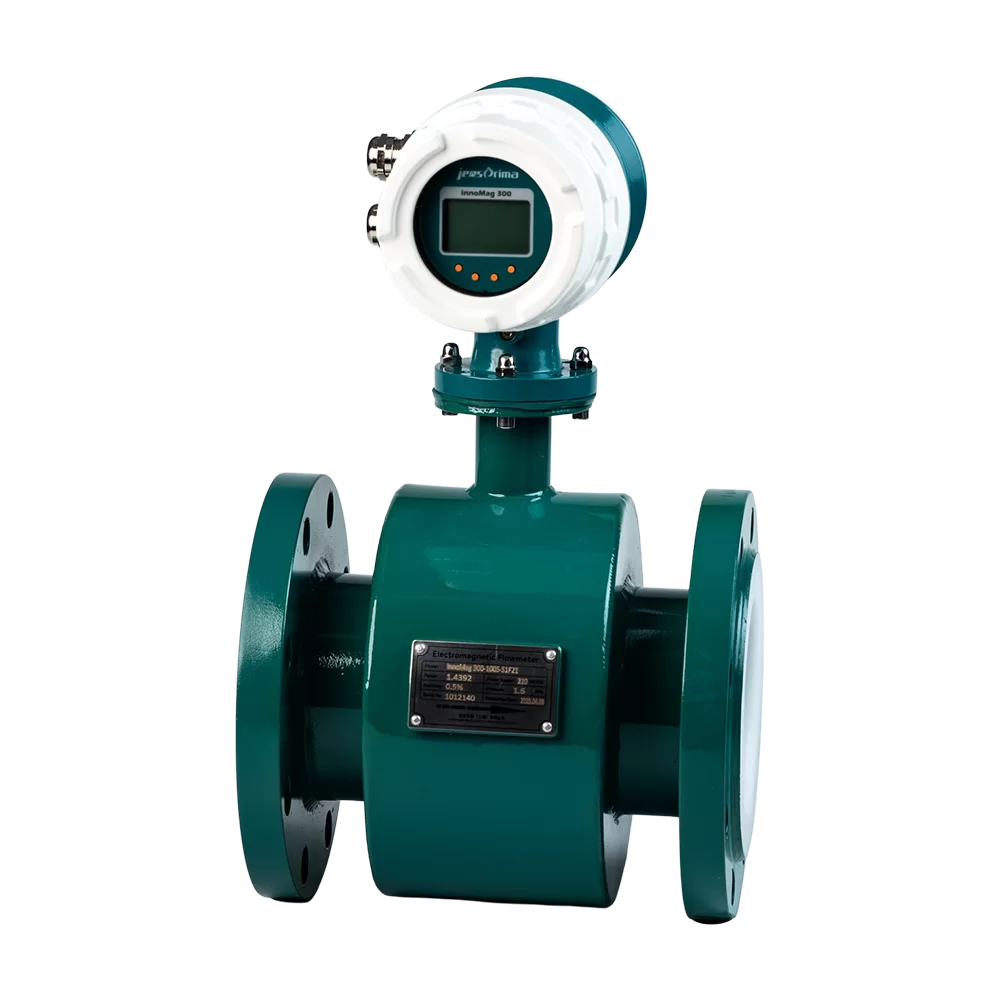
Water quality meters and analyzers are instruments designed to assess the physical, chemical, and biological characteristics of water. These devices range from simple handheld meters measuring pH and temperature to sophisticated multi-parameter probes and laboratory analyzers that can detect a wide range of contaminants and characteristics. Essentially, they provide quantitative data about the suitability of water for specific uses.
The connection to modern industry is profound; water is fundamental to nearly all industrial processes. Manufacturing, agriculture, energy production, and countless other sectors require consistent water quality control to maintain efficiency, prevent equipment damage, and ensure product quality. Accurate data from water quality meters analyzers directly translates to cost savings, reduced downtime, and enhanced product integrity.
Beyond industrial applications, these instruments are vital for humanitarian efforts. Rapid assessment of water sources in disaster zones or developing countries is critical for preventing waterborne illnesses and ensuring access to safe drinking water. Portable and easy-to-use water quality meters analyzers empower aid workers and local communities to make informed decisions about water treatment and distribution.
Key Factors or Core Components
Accuracy and Reliability: This is paramount. Instruments must provide consistent and precise readings to ensure data integrity and informed decision-making. Calibration and regular maintenance are crucial for maintaining accuracy.
Portability and Ruggedness: Many applications require field measurements, demanding instruments that are lightweight, durable, and resistant to harsh environmental conditions. The ability to withstand shocks, temperature fluctuations, and moisture is critical for reliable performance.
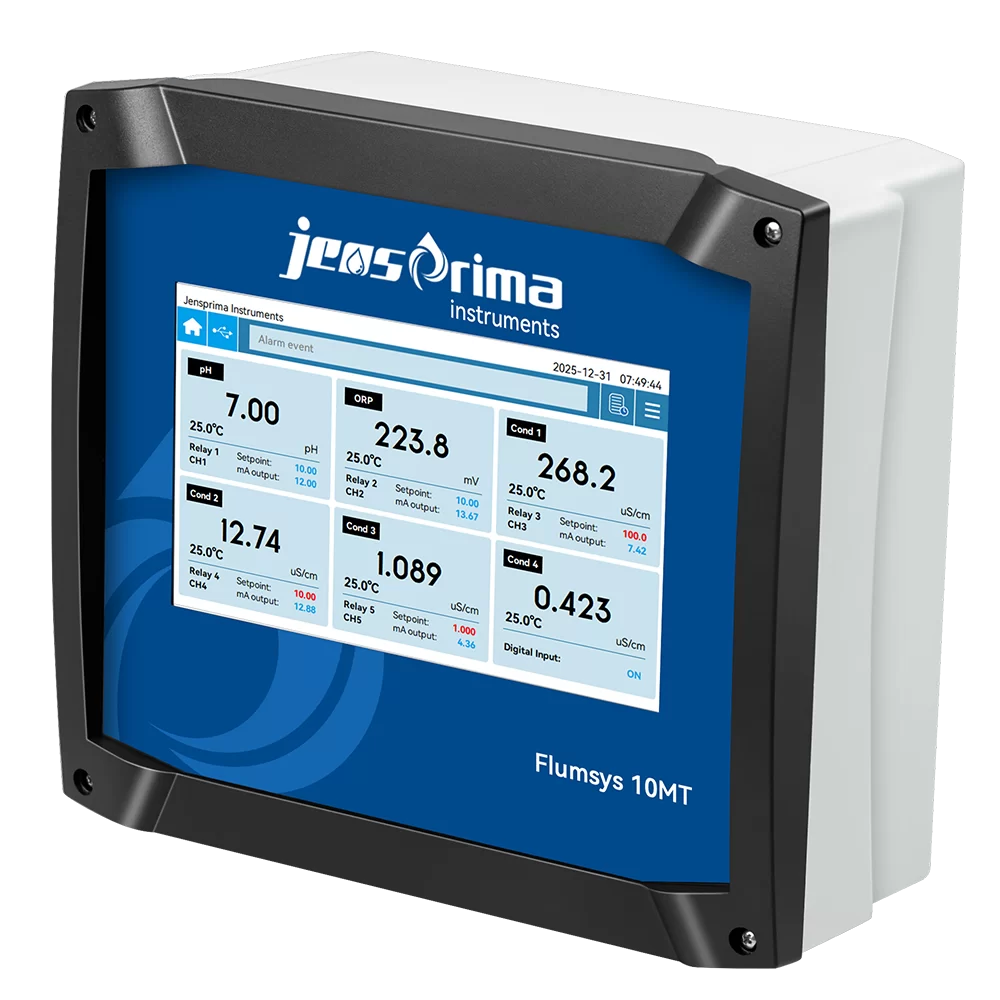
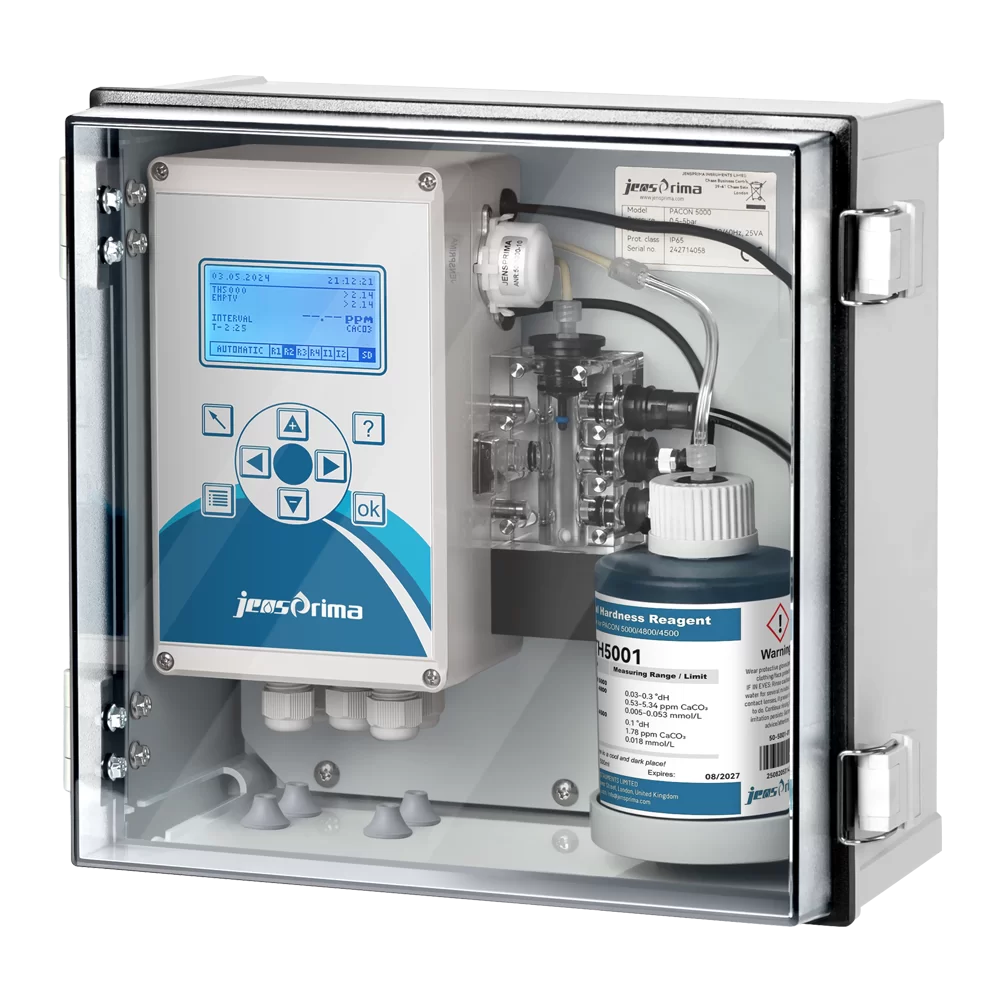
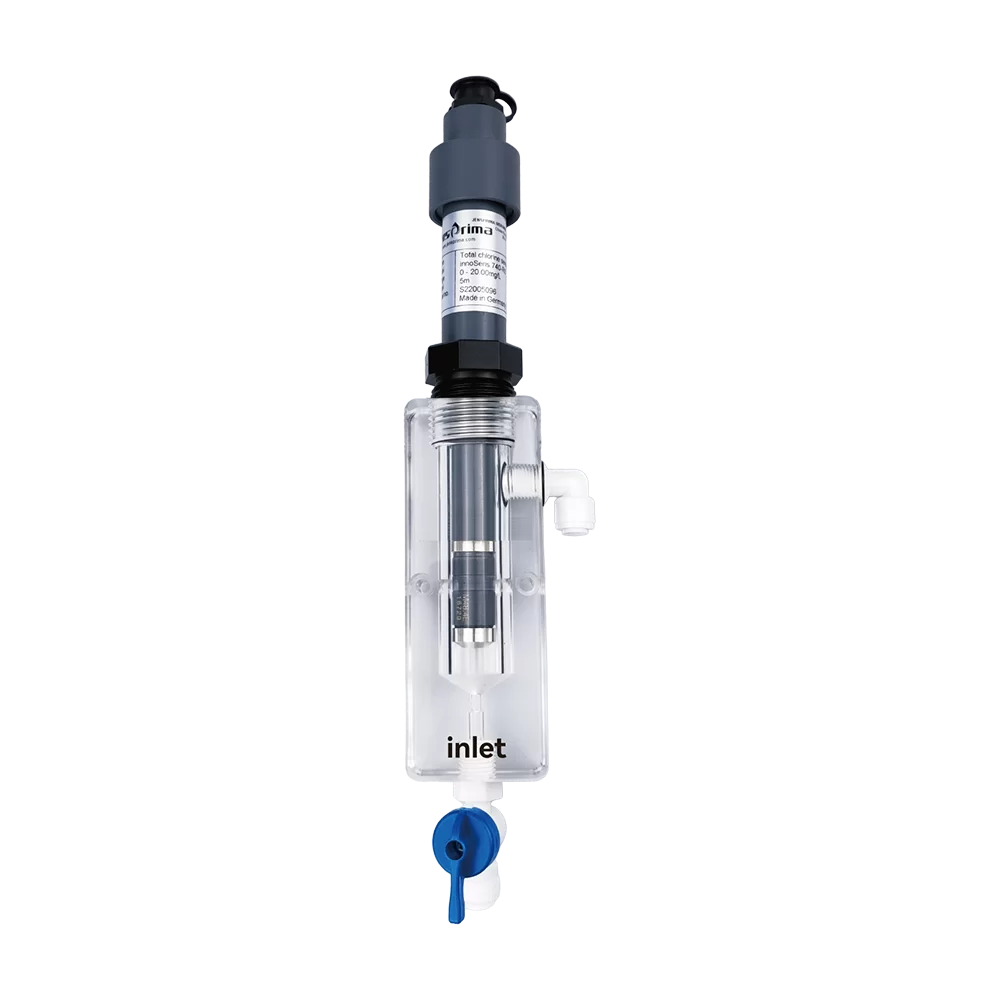
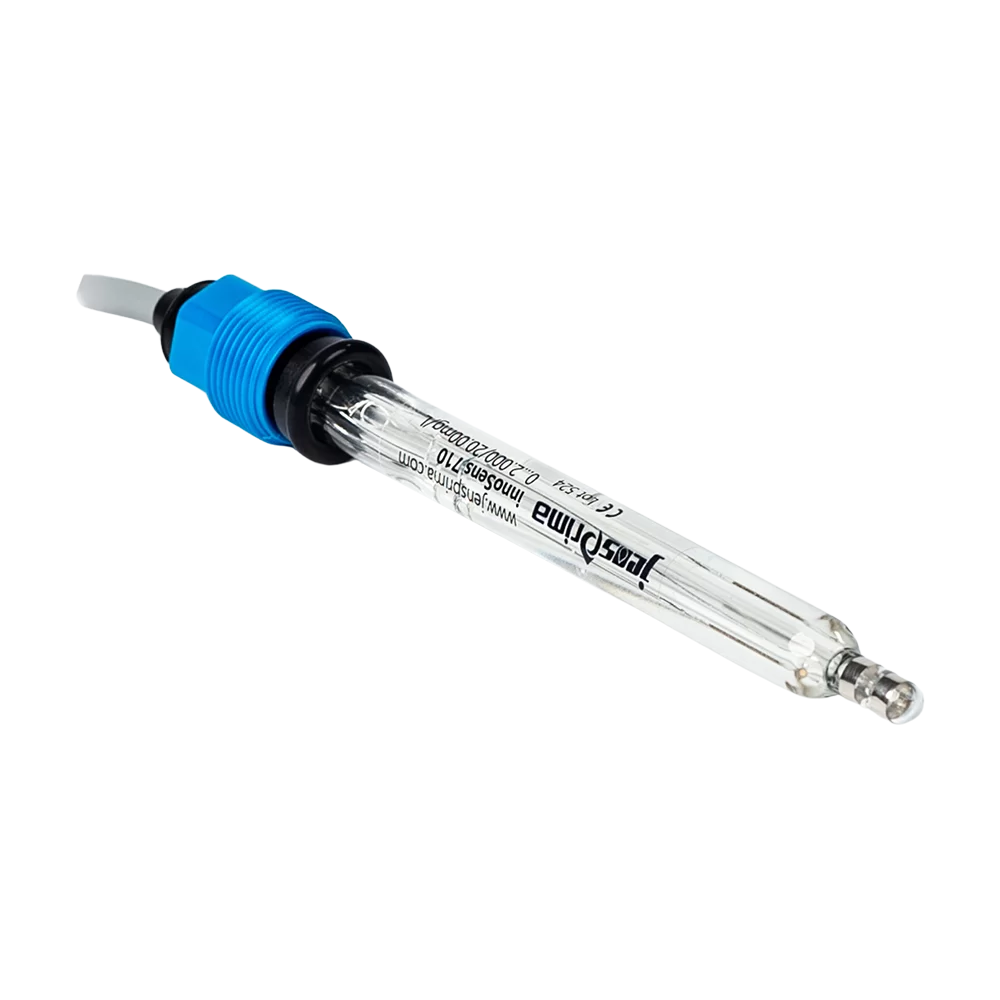
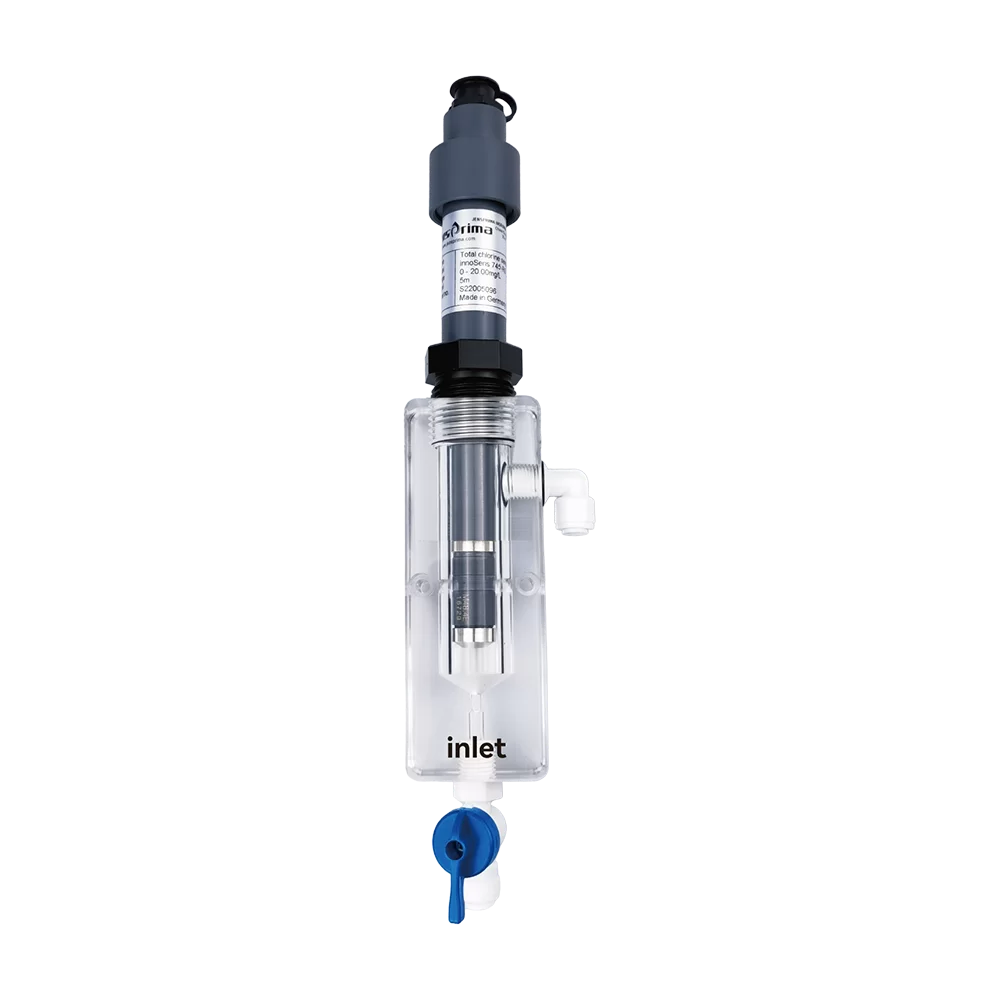
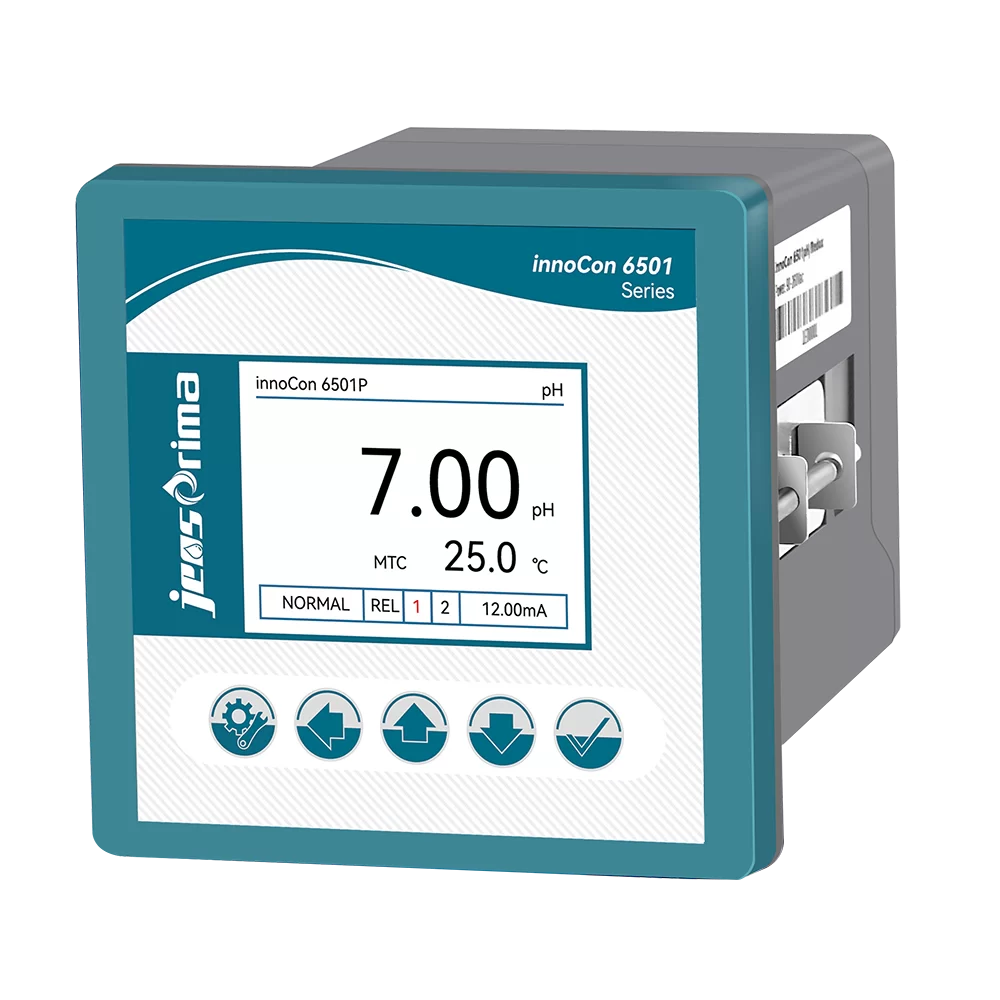
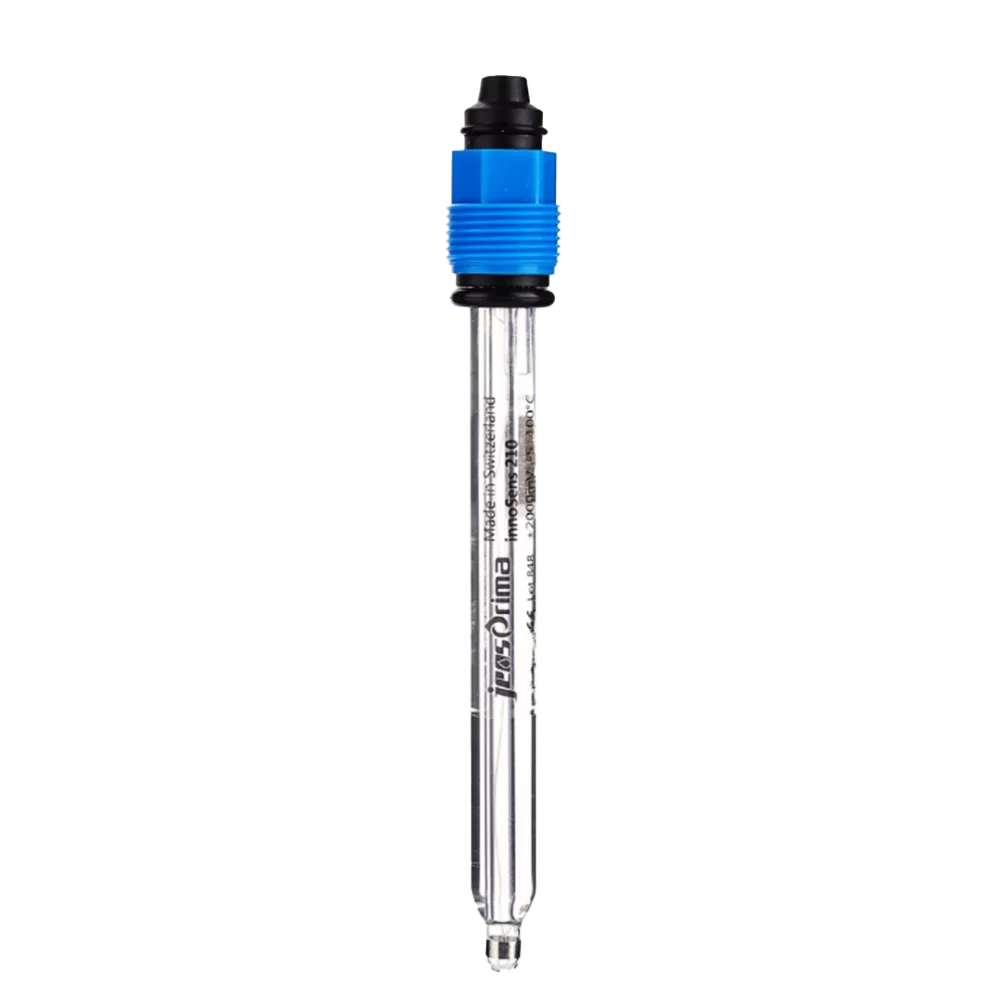
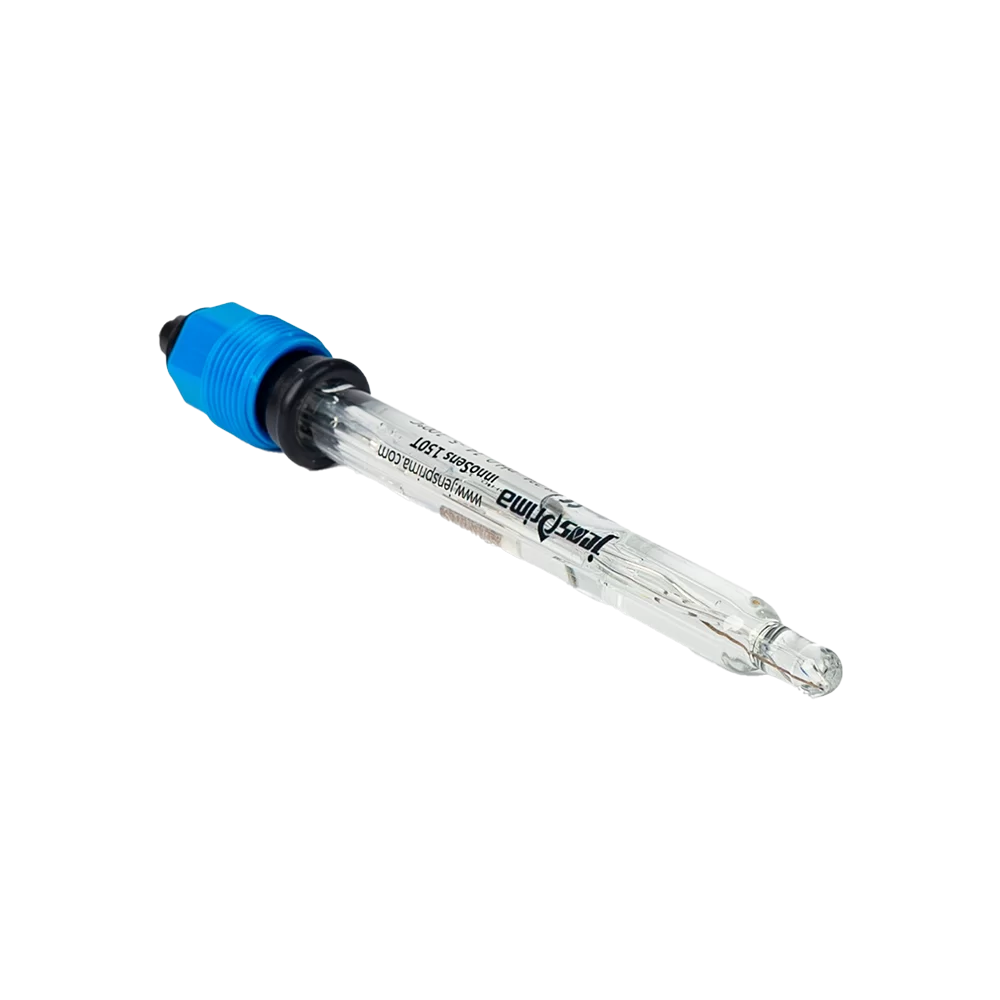
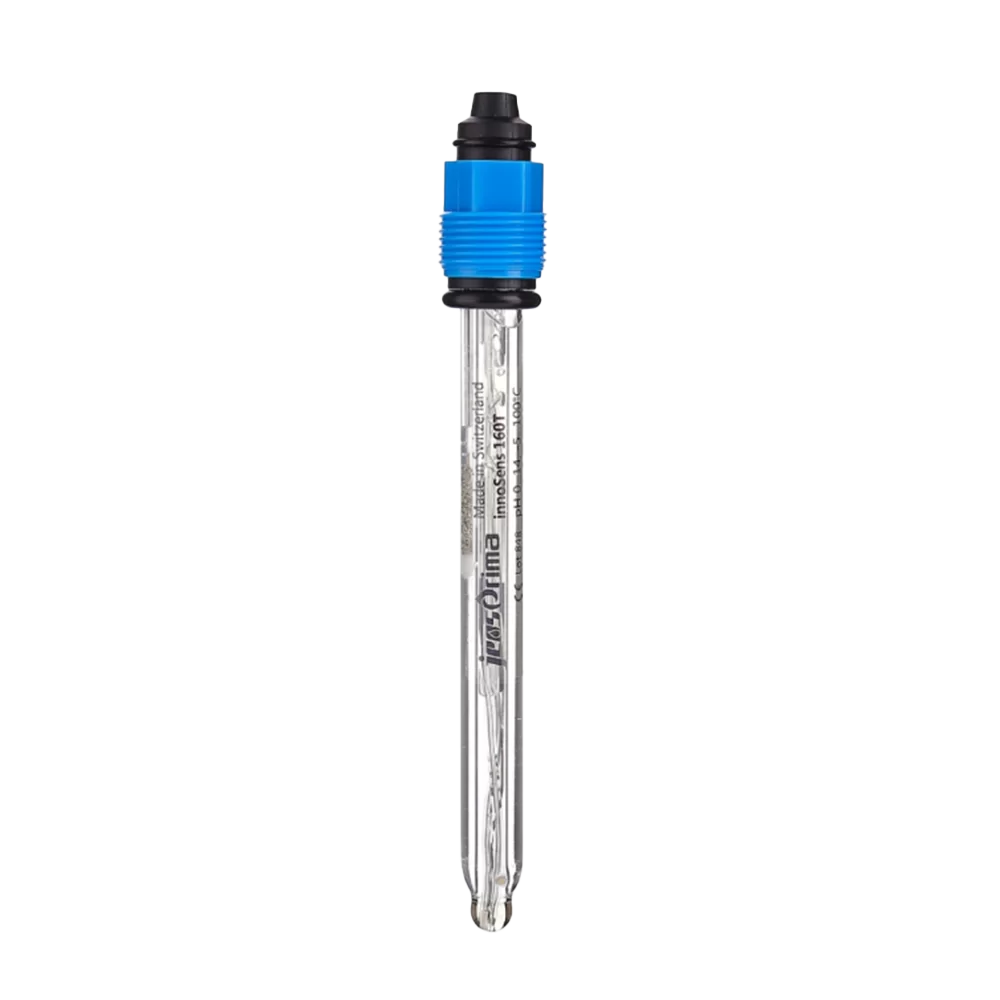
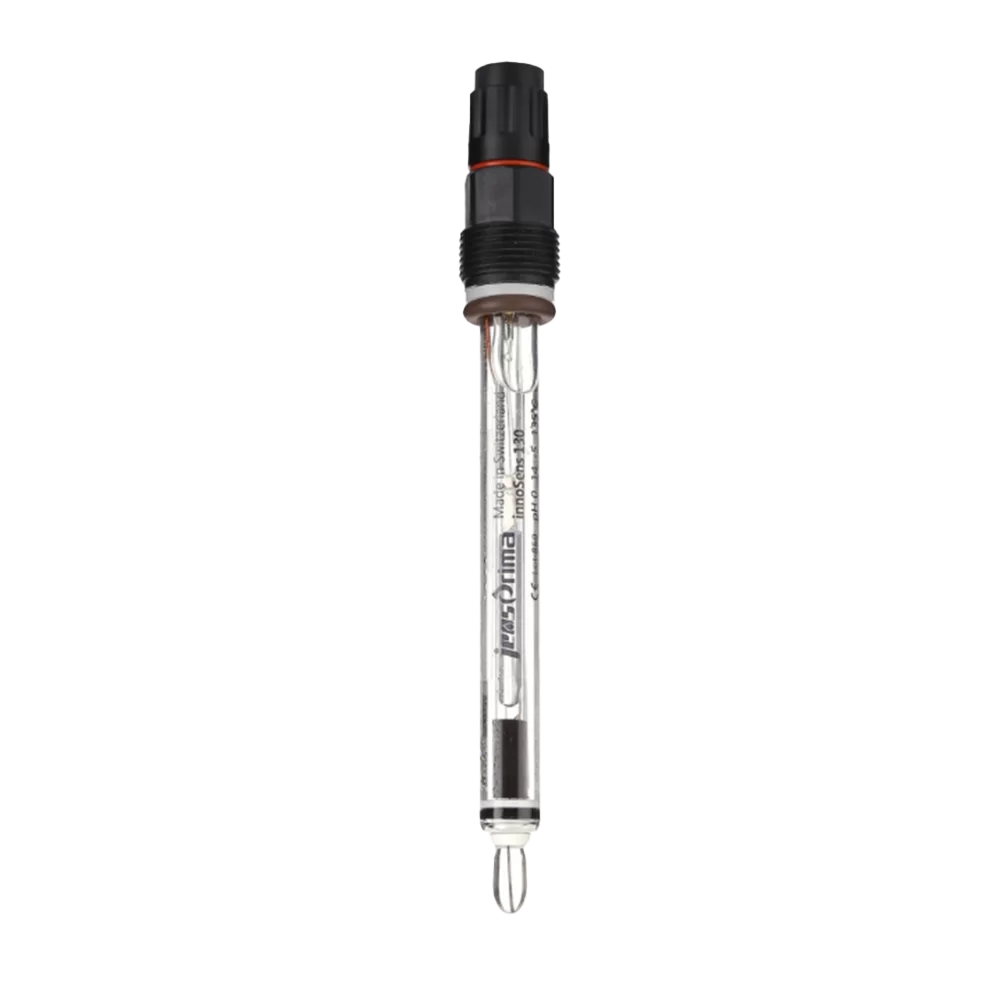
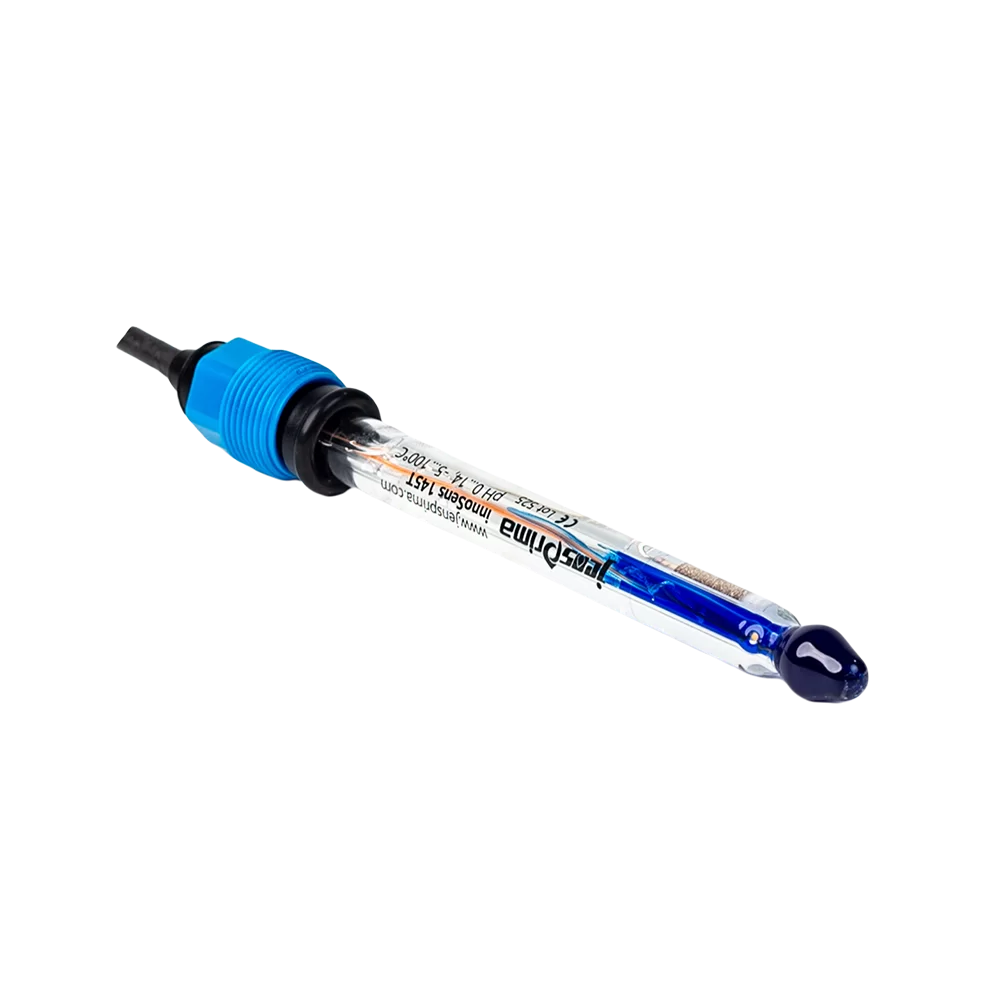
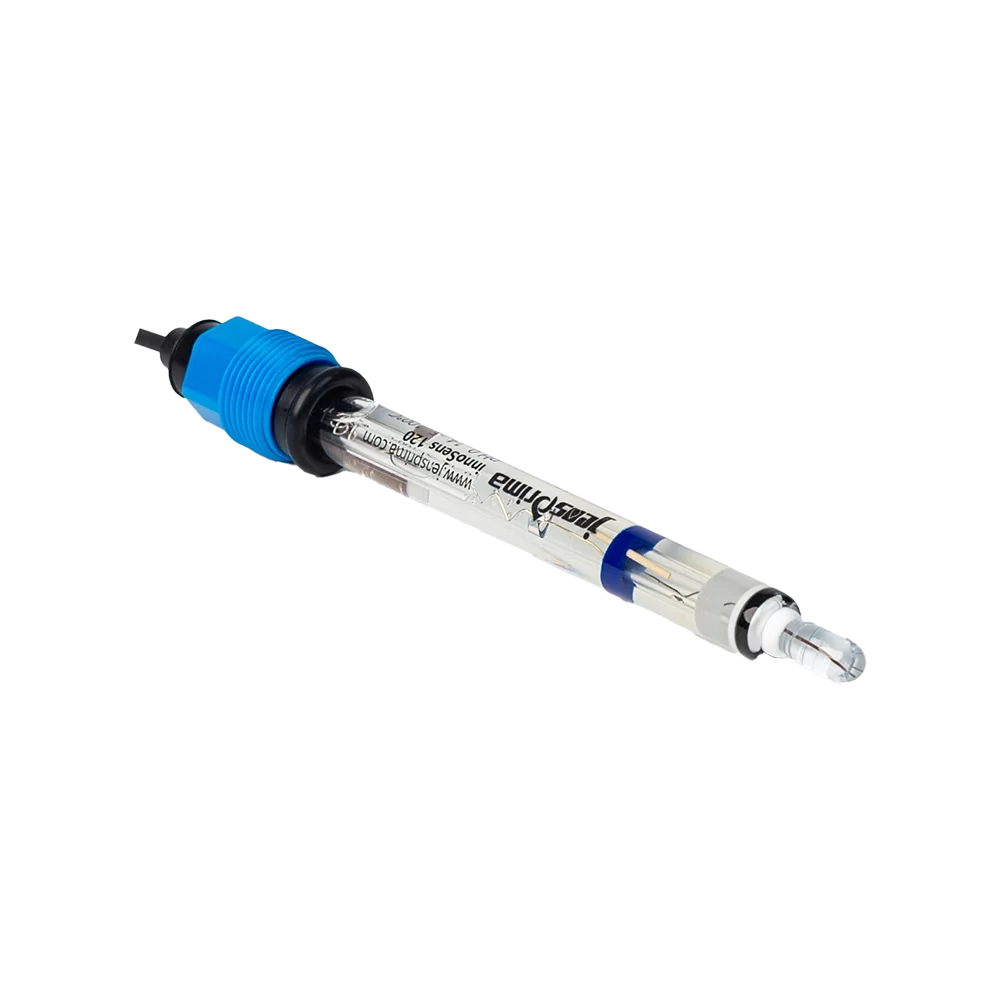
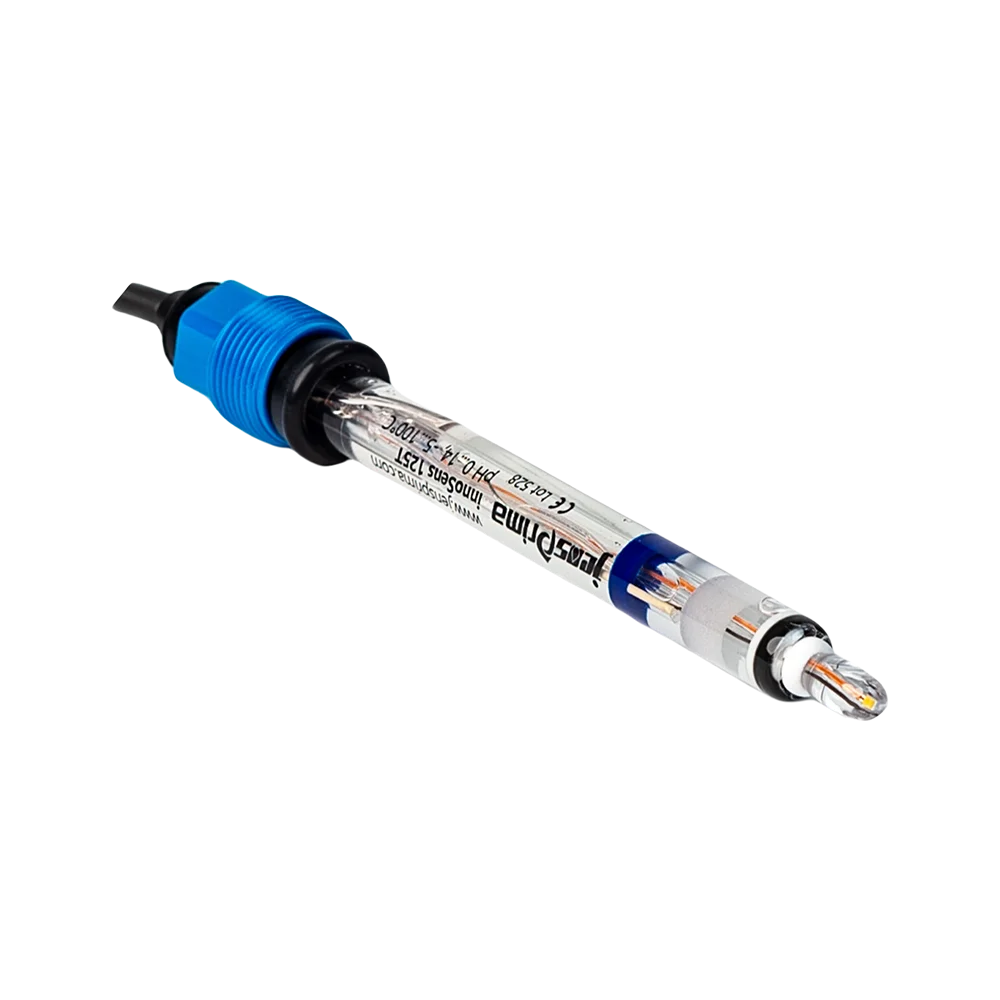
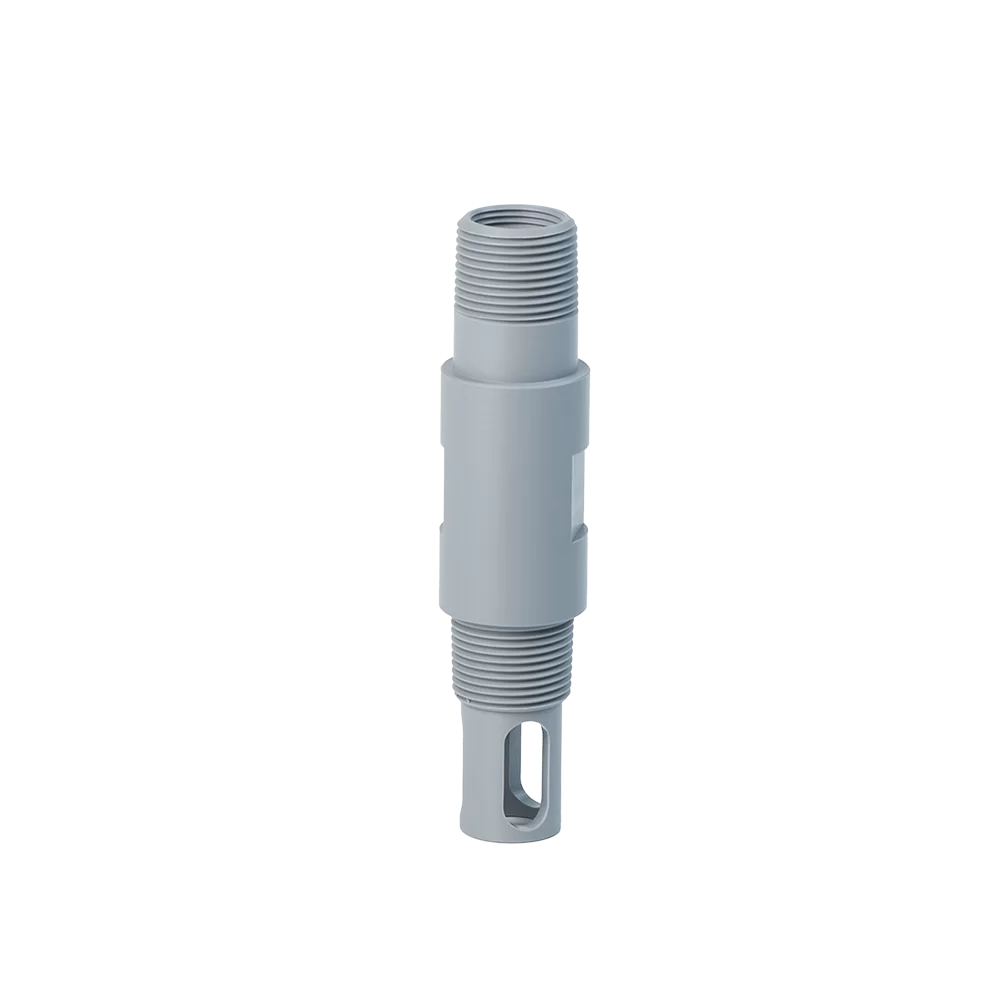
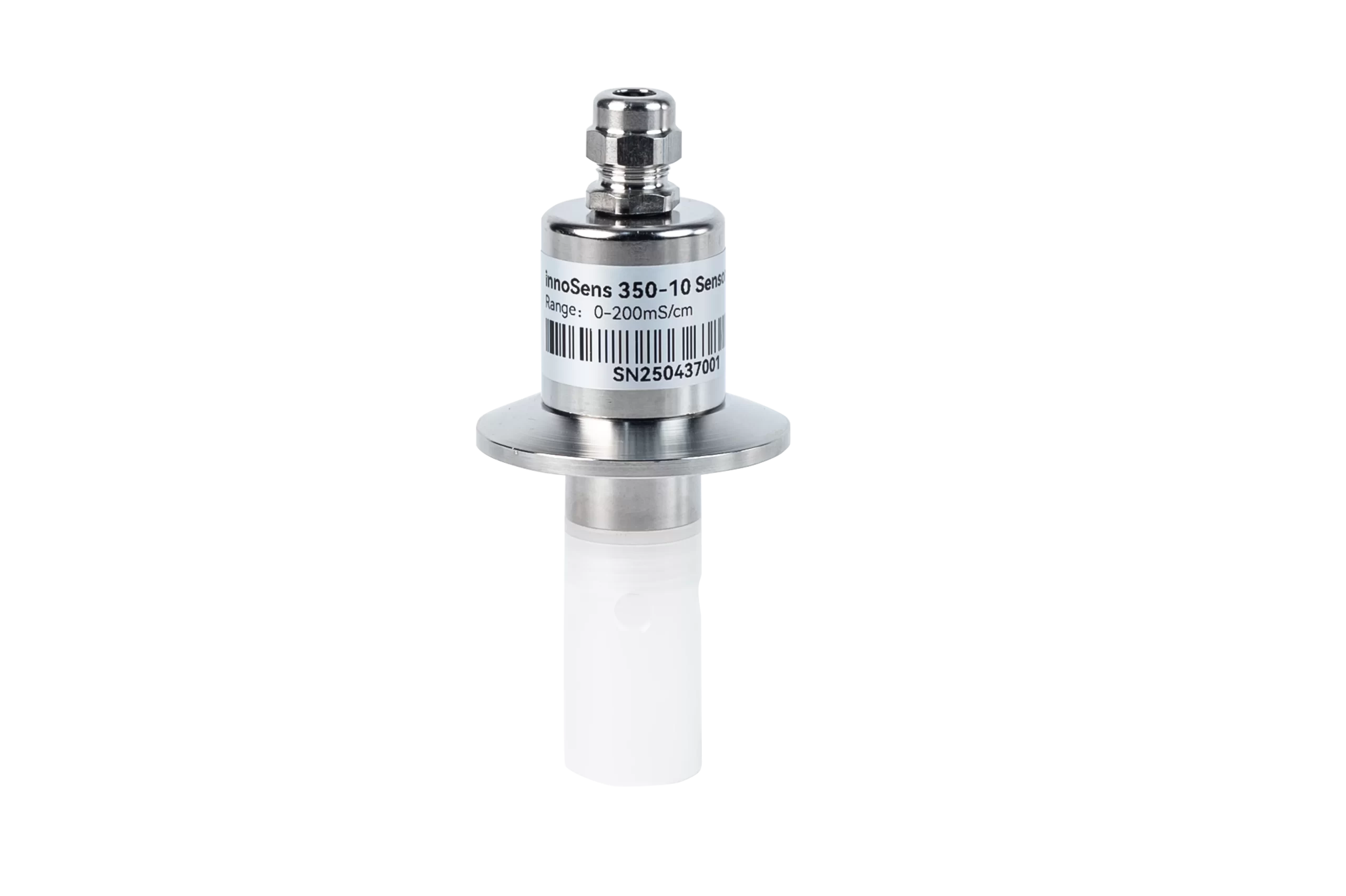
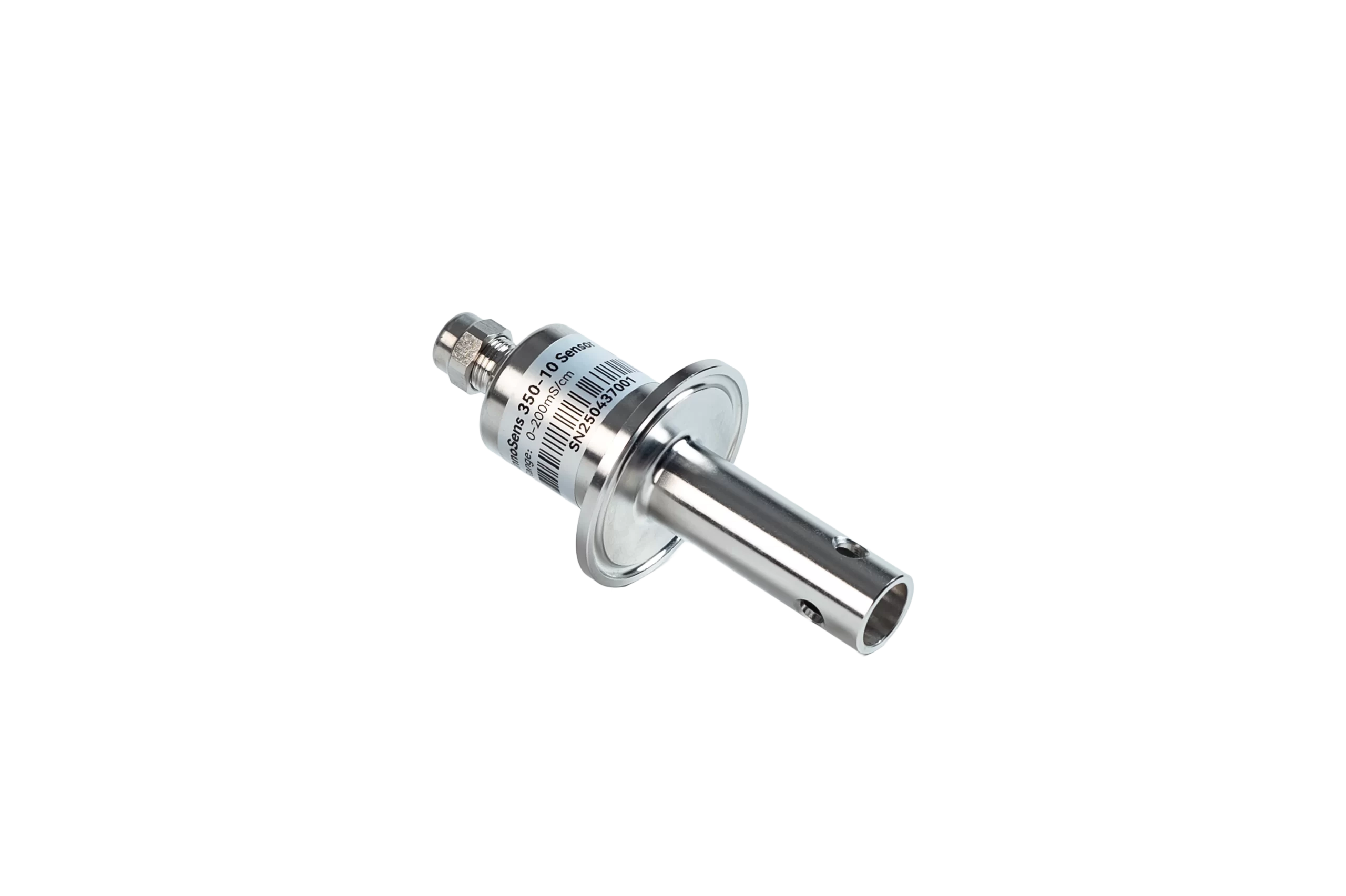
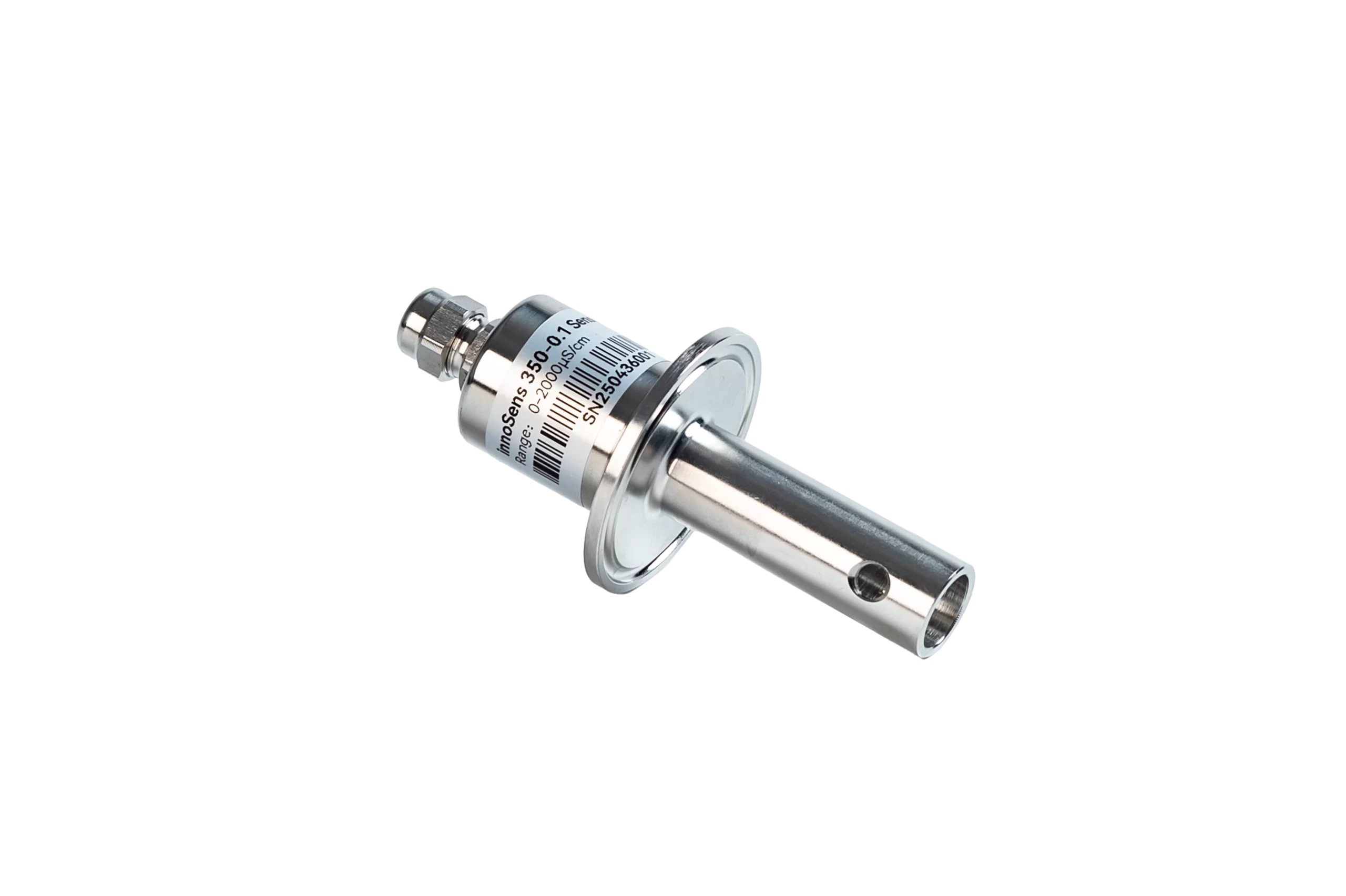
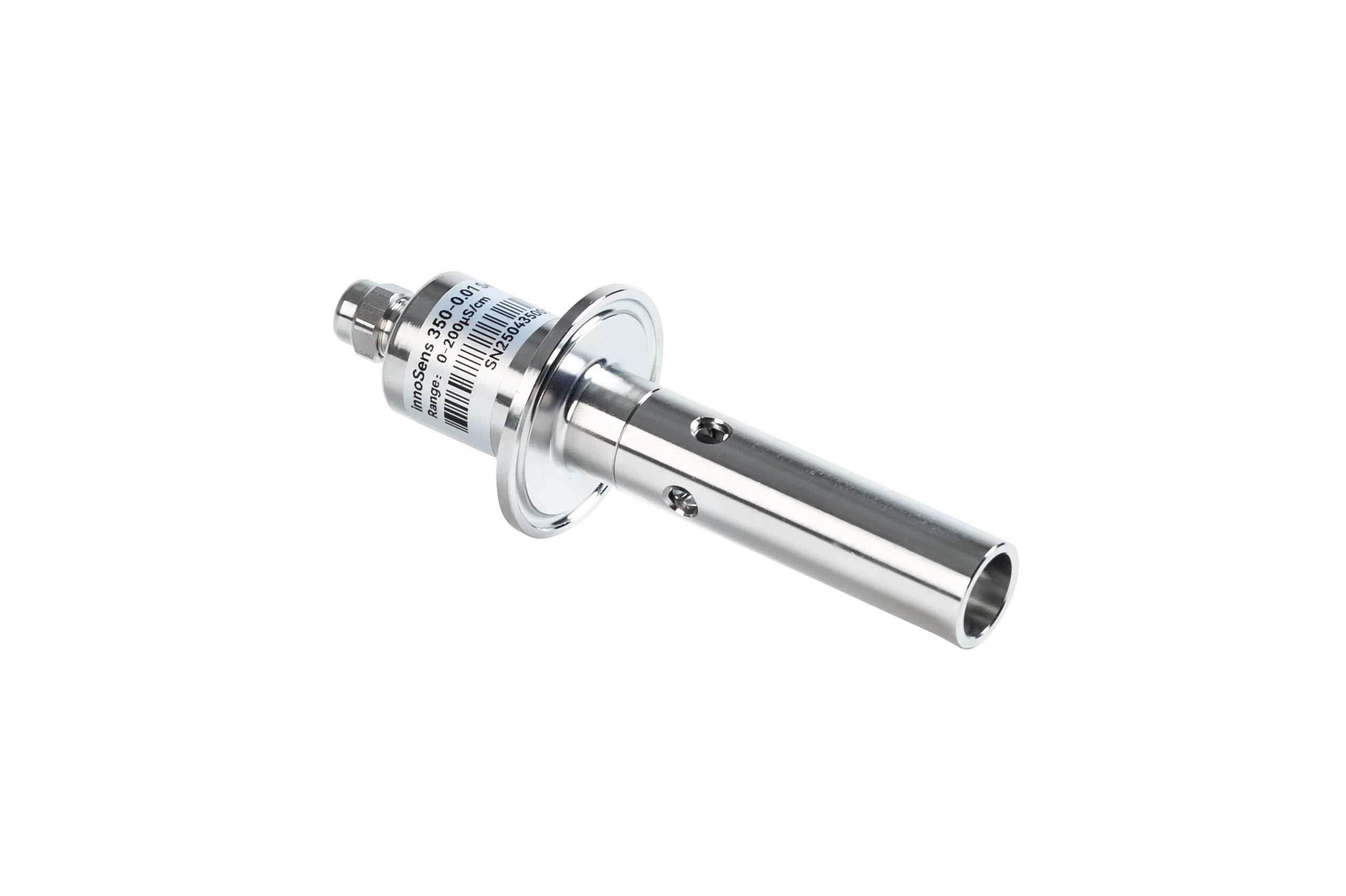
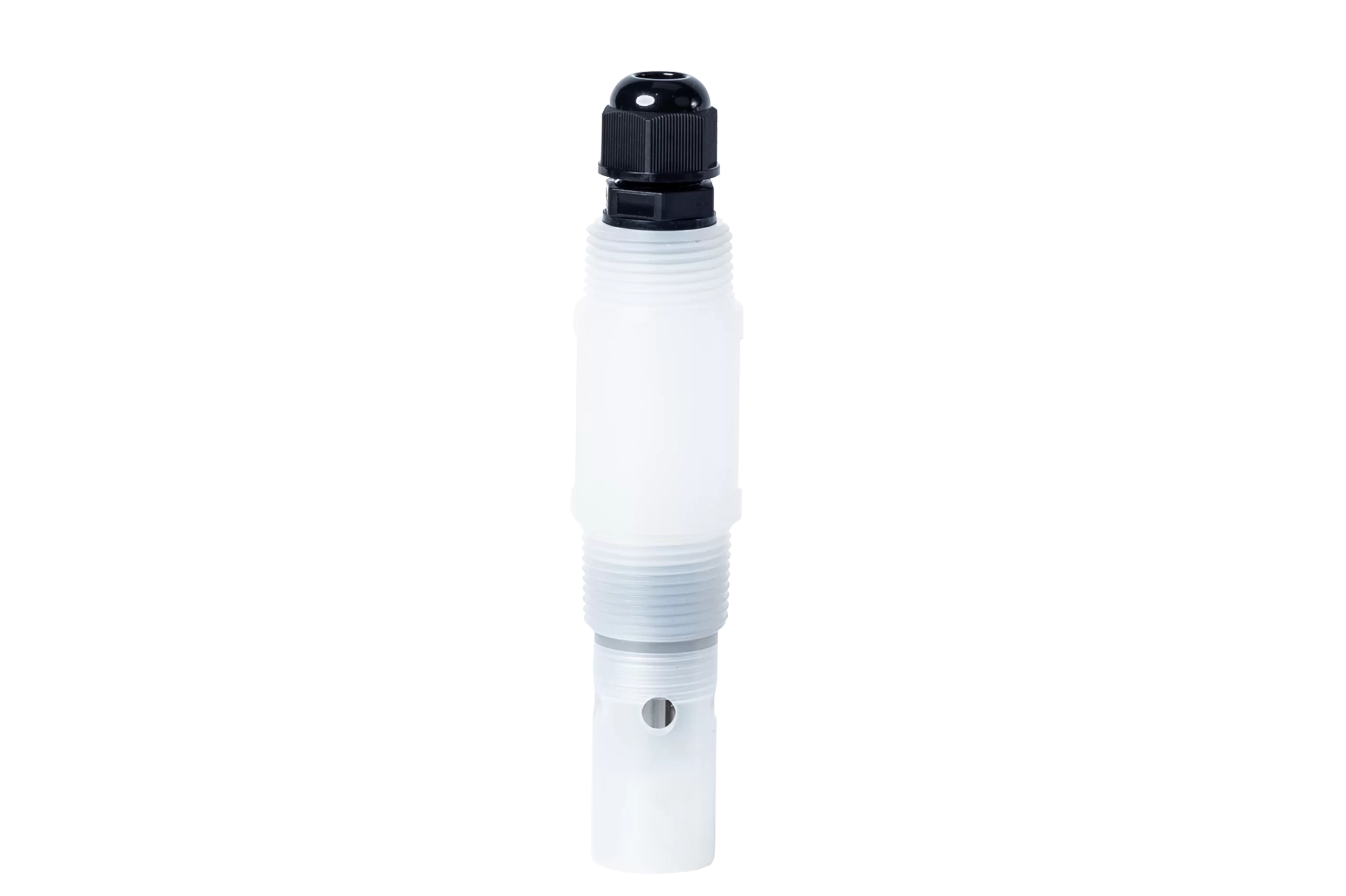
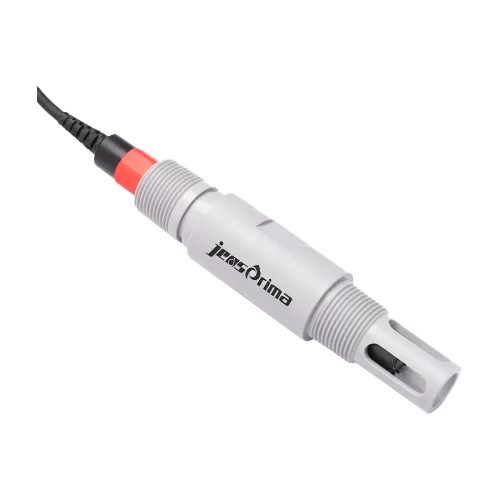
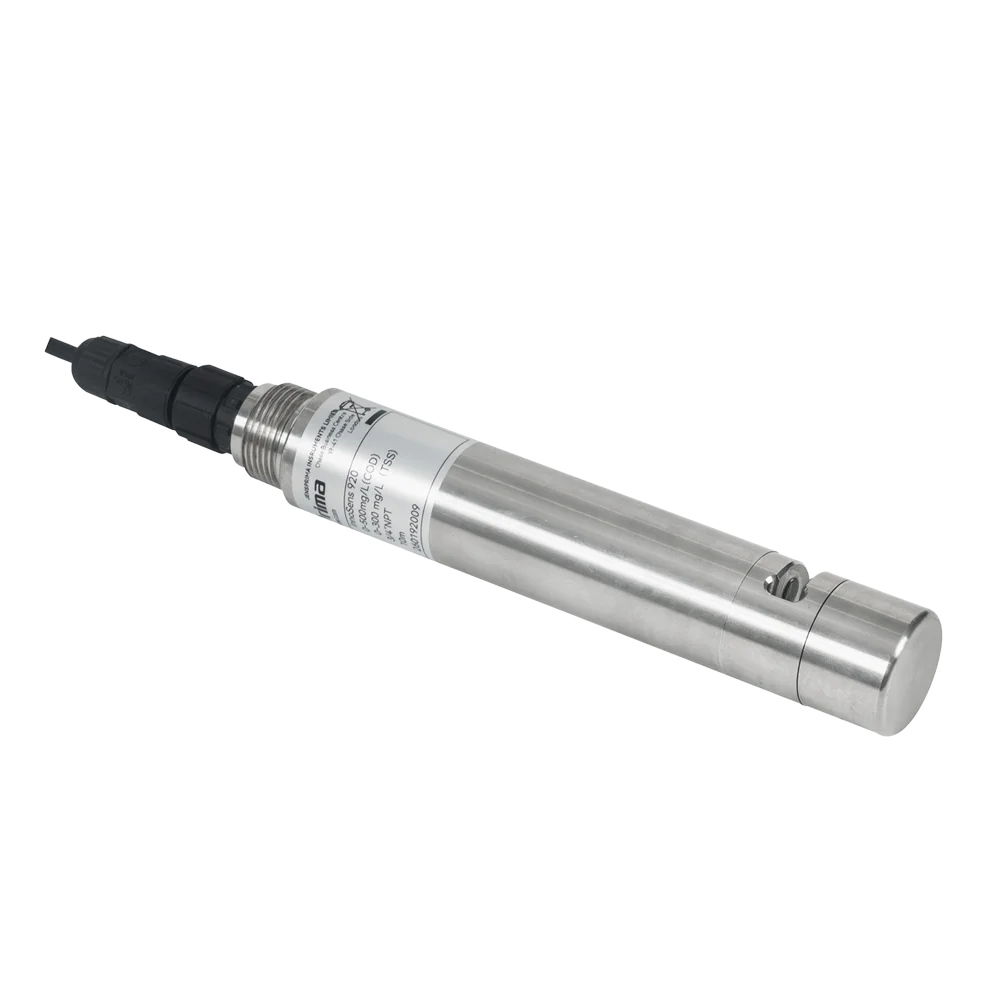
Sensor Technology: The core of any water quality meter is its sensor. Different sensors are used to measure specific parameters, such as electrodes for pH, optical sensors for dissolved oxygen, and conductivity probes for salinity. The sensitivity and selectivity of these sensors directly impact the accuracy and range of measurement.
Data Logging and Connectivity: Modern instruments often feature data logging capabilities, allowing for the storage and analysis of historical trends. Wireless connectivity (e.g., Bluetooth, Wi-Fi) enables seamless data transfer to computers or cloud-based platforms for remote monitoring and reporting.
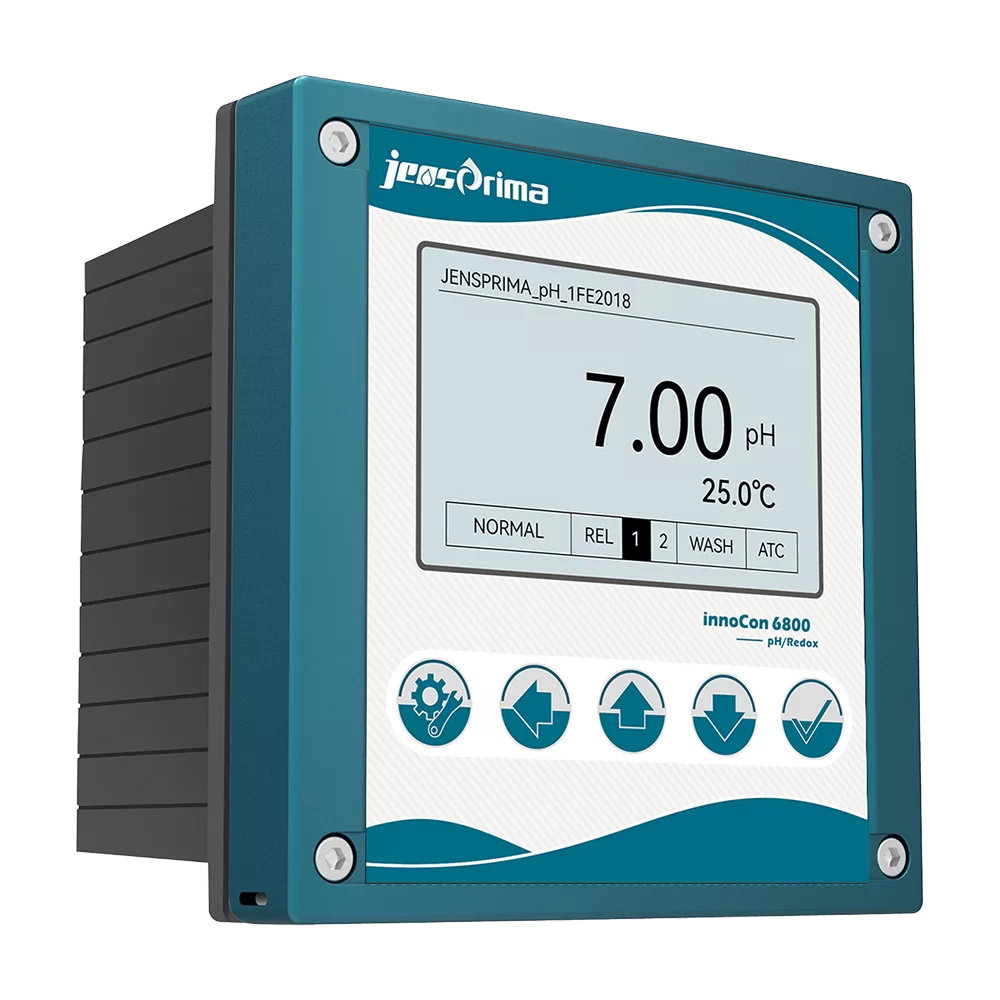
User Interface and Ease of Use: Intuitive interfaces and simplified operation are essential for ensuring that instruments can be used effectively by a wide range of personnel, from trained technicians to field operators. Clear displays, simple menus, and automated calibration routines enhance usability.
Compliance with Standards: Adherence to recognized industry standards (e.g., ISO, ASTM) is critical for ensuring the validity and comparability of measurements. Instruments should be certified and traceable to national or international standards.
Global Applications & Use Cases
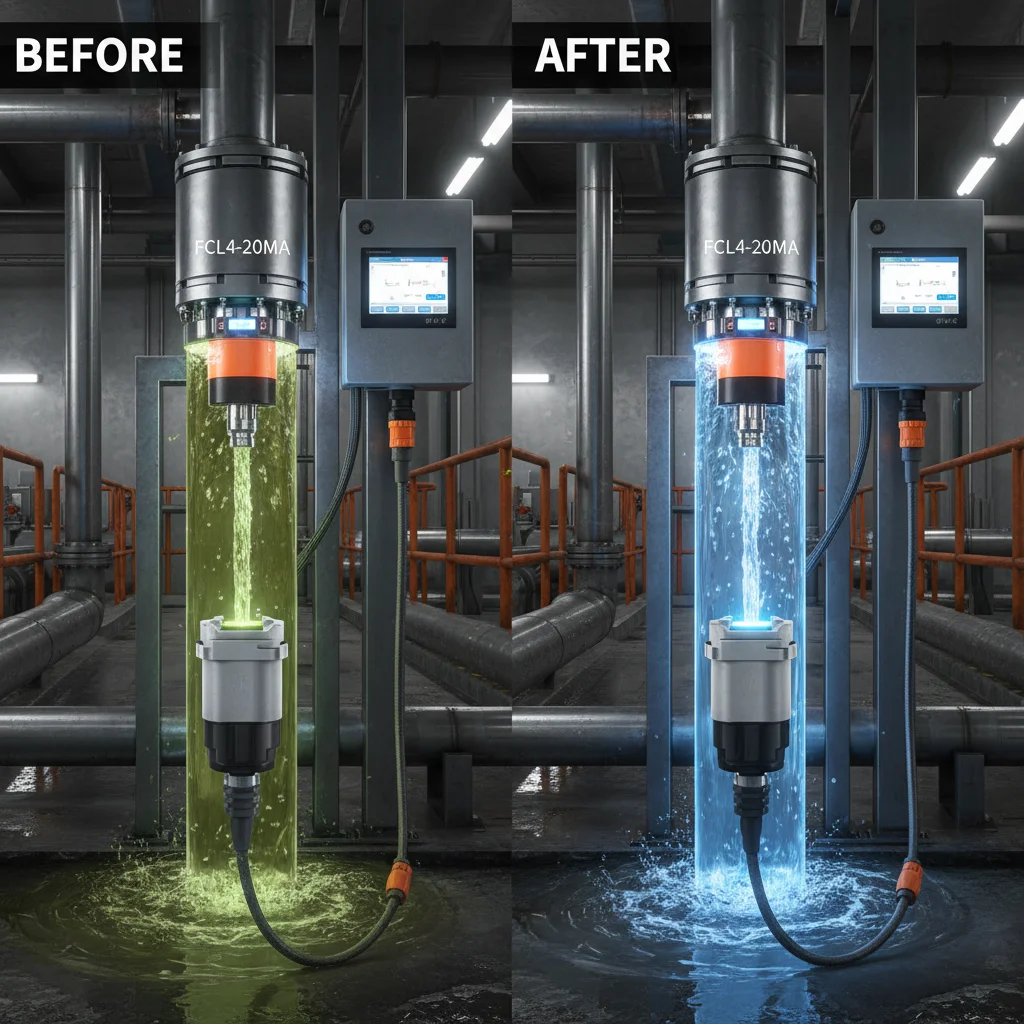
Water quality meters analyzers are deployed across a diverse spectrum of applications globally. In municipal water treatment plants, they ensure that drinking water meets stringent regulatory standards. In the agricultural sector, they monitor irrigation water quality to optimize crop yields and minimize environmental impact.
Comparative Analysis of Water Quality Meters Analyzers Methods
In remote industrial zones, these instruments monitor wastewater discharge to ensure compliance with environmental regulations. In post-disaster relief operations, rapid assessment of water sources is critical for preventing outbreaks of waterborne diseases. Organizations like the Red Cross and UNICEF routinely deploy water quality meters analyzers to assess water safety in emergency situations. Furthermore, environmental monitoring agencies use these tools to track pollution levels in rivers, lakes, and oceans, informing conservation efforts and policy decisions.
Advantages & Long-Term Value
Investing in high-quality water quality meters analyzers yields substantial long-term benefits. From a cost perspective, proactive monitoring can prevent costly remediation efforts and regulatory fines associated with water contamination. Furthermore, optimized process control in industrial applications leads to increased efficiency and reduced waste, resulting in significant financial savings.
Sustainability is a core advantage. By enabling responsible water management, these instruments contribute to the preservation of this precious resource for future generations. The social impact is equally profound, safeguarding public health, preventing disease, and ensuring equitable access to safe drinking water. Ultimately, the reliability and accuracy of water quality meters analyzers build trust – trust in the quality of our water, the safety of our products, and the integrity of our environmental stewardship.
Future Trends & Innovations
The future of water quality meters analyzers is poised for significant innovation. The integration of artificial intelligence (AI) and machine learning (ML) is enabling the development of “smart” sensors that can analyze data in real-time, predict potential contamination events, and optimize water treatment processes. Miniaturization and nanotechnology are driving the creation of even more portable and sensitive sensors.
The demand for real-time, continuous monitoring is increasing, leading to the development of wireless sensor networks and cloud-based data platforms. These platforms allow for remote access to data, automated reporting, and collaborative decision-making. Moreover, a growing focus on green energy and sustainable technologies is driving the development of energy-efficient sensors and analyzers with reduced environmental footprints.
Challenges & Solutions
Despite advancements, several challenges remain in the field of water quality monitoring. The cost of some sophisticated analyzers can be prohibitive for small businesses and developing countries. Sensor fouling – the accumulation of debris on sensor surfaces – can compromise accuracy and require frequent cleaning or replacement.
A potential solution lies in the development of more affordable and robust sensors. Self-cleaning sensor technologies and advanced materials that resist fouling are also being actively researched. Standardization of data formats and protocols is crucial for ensuring interoperability between different instruments and platforms. Furthermore, capacity building and training programs are essential for empowering users to effectively operate and maintain these complex instruments. Leveraging remote sensing technologies (satellites, drones) offers another promising avenue for large-scale water quality monitoring.
Summary of Challenges and Potential Solutions for Water Quality Meters Analyzers
| Challenge |
Impact |
Potential Solution |
Implementation Cost (1-10) |
| High Initial Cost |
Limited accessibility for SMEs and developing regions |
Development of cost-effective sensor technologies |
6 |
| Sensor Fouling |
Reduced accuracy, frequent maintenance |
Self-cleaning sensors, anti-fouling materials |
7 |
| Data Interoperability |
Difficulty integrating data from different sources |
Standardization of data formats and protocols |
4 |
| Lack of Skilled Personnel |
Improper instrument operation and maintenance |
Comprehensive training programs and certification |
5 |
| Emerging Contaminant Detection |
Inability to detect new pollutants effectively |
Development of sensors for novel contaminants |
8 |
| Real-time Monitoring Limitations |
Delayed response to contamination events |
Wireless sensor networks and cloud-based platforms |
7 |
FAQS
The lifespan of a water quality meter analyzer varies depending on the model, usage frequency, and environmental conditions. Generally, sensors have a limited lifespan (1-5 years) and require periodic replacement. The main unit can last 5-10 years with proper maintenance, including regular calibration, cleaning, and storage. Factors like exposure to extreme temperatures, corrosive substances, and physical damage can significantly reduce the instrument's lifespan. Choosing a robust and well-maintained water quality meters analyzers will maximize its longevity.
Calibration frequency depends on the instrument’s specifications, the type of sensors used, and the criticality of the measurements. As a general guideline, most manufacturers recommend calibrating water quality meters at least once a year. However, more frequent calibration (e.g., quarterly or even monthly) is often necessary for applications requiring high accuracy or when the instrument is used in harsh environments. Regular calibration ensures that the water quality meters analyzers provides reliable and traceable data.
Common parameters measured by water quality analyzers include pH (acidity/alkalinity), dissolved oxygen (DO), conductivity (salinity), turbidity (cloudiness), temperature, oxidation-reduction potential (ORP), and the concentration of specific ions like nitrate, chloride, and ammonia. More advanced analyzers can also detect heavy metals, organic compounds, and other contaminants. The specific parameters measured depend on the instrument's design and the intended application.
Portable analyzers are designed for field measurements, offering convenience and flexibility. They are typically smaller, lighter, and more rugged than laboratory analyzers. However, they may have limited features and lower accuracy compared to lab-based instruments. Laboratory analyzers, on the other hand, are designed for high-precision measurements in a controlled environment. They offer a wider range of parameters and advanced analytical capabilities. The choice between portable and laboratory analyzers depends on the specific application requirements.
Selecting the appropriate water quality meters analyzers involves considering several factors. Identify the specific parameters you need to measure, the accuracy requirements, the intended application (field or lab), the budget, and the level of technical expertise available. It is also crucial to choose a reputable manufacturer and ensure that the instrument meets relevant industry standards. Consulting with a water quality specialist can help guide you through the selection process.
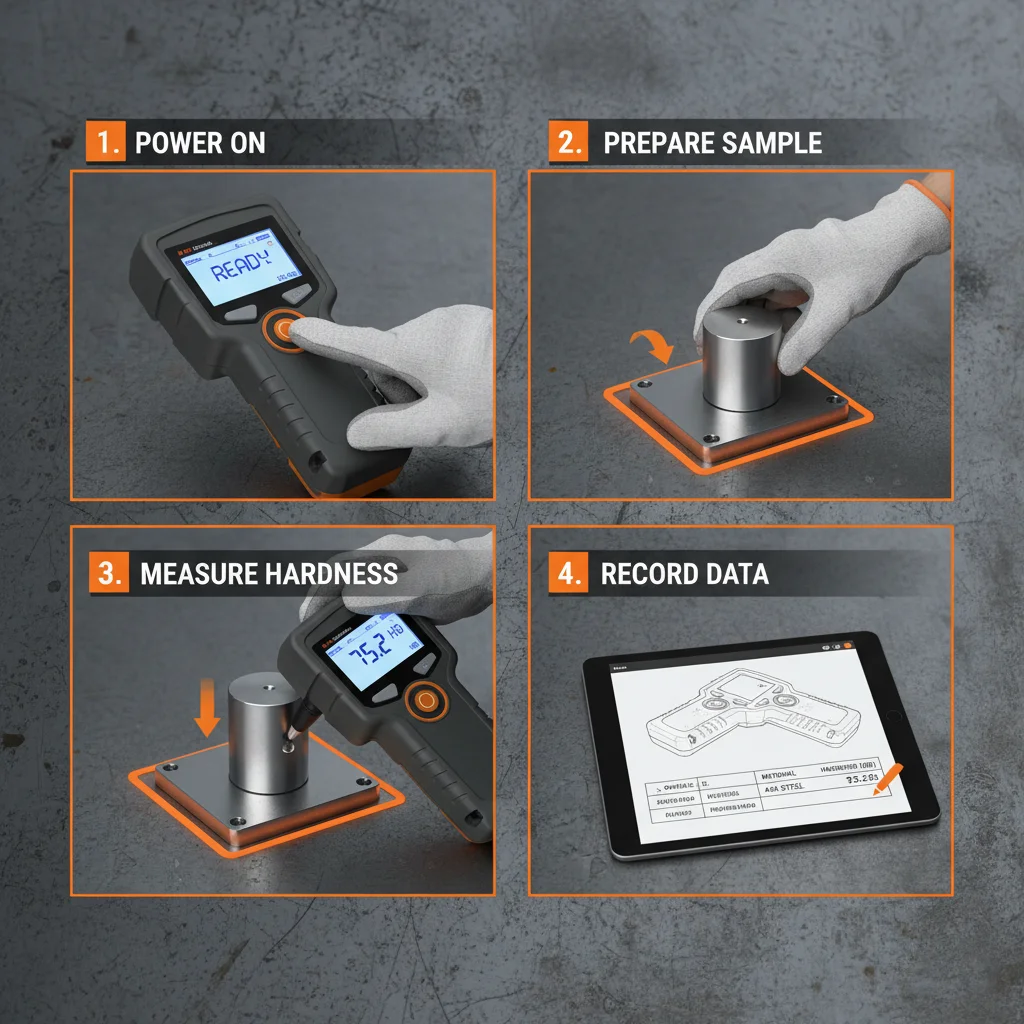
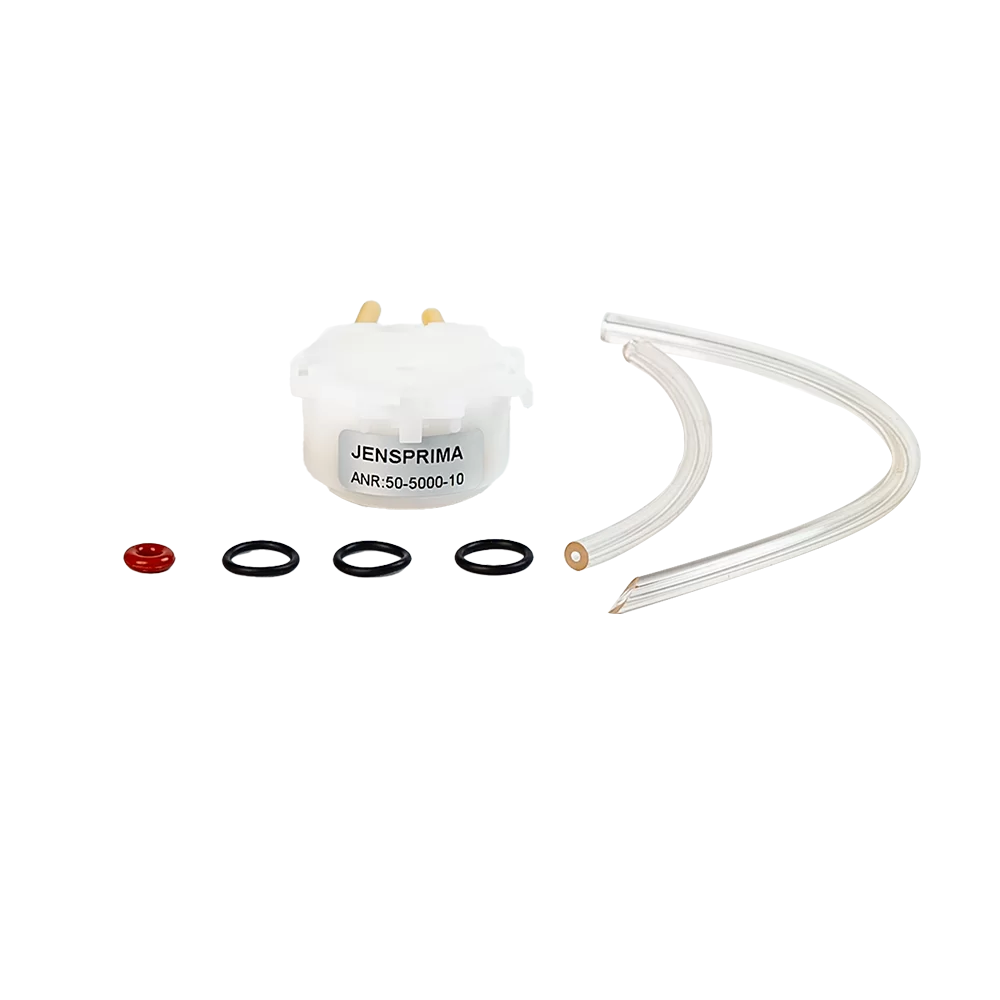
Regular maintenance is essential for ensuring the accuracy and longevity of water quality instruments. This includes regular calibration, cleaning of sensors, replacement of worn parts (e.g., membranes, electrodes), and proper storage when not in use. Following the manufacturer's recommendations for maintenance and performing routine checks can prevent costly repairs and ensure reliable performance. Careful handling and storage are also crucial for preserving the integrity of the water quality meters analyzers.
Conclusion
In conclusion, water quality meters and analyzers are indispensable tools for safeguarding our water resources, protecting public health, and driving sustainable industrial practices. From ensuring the safety of drinking water to optimizing industrial processes and monitoring environmental pollution, these instruments play a crucial role in a wide range of applications. The continuous advancements in sensor technology, data analytics, and connectivity are further enhancing their capabilities and expanding their reach.
Looking ahead, the future of water quality monitoring lies in the integration of AI, machine learning, and real-time data analytics. Investing in these technologies and promoting standardized protocols will be essential for addressing the growing challenges of water scarcity, pollution, and climate change. By embracing innovation and fostering collaboration, we can leverage the power of water quality meters analyzers to build a more sustainable and equitable future for all.


 Download
 Video Center
 Technical Services
 FAQS
FAQS Service Network
 Privacy Policy
 Contact Us